
Why More Women Are Searching for Alternatives to Insurance-Based Primary Care

Last updated on December 18, 2025
The statistics are startling.
91% of women report insurance and cost barriers affecting their healthcare decisions.
73% experience scheduling difficulties with practitioners.
73% report feeling dismissed during healthcare encounters .
These numbers aren’t just data points. They represent millions of women who feel unheard, rushed, and undervalued in a healthcare system that should prioritize their well-being.
More women are actively seeking alternatives to insurance-based primary care due to mounting frustrations with traditional healthcare systems. The search for alternatives to insurance-based primary care has intensified as women face increasing barriers to quality healthcare. YOU DESERVE BETTER.
The Reality of Traditional Healthcare for Women

Traditional insurance-based healthcare has created a perfect storm of frustration for women seeking quality medical care. The numbers tell a sobering story about the current state of women’s healthcare access.
21% of women state their medical concerns were explicitly dismissed by providers. This dismissal isn’t just disappointing. It’s dangerous. When women’s symptoms are minimized or ignored, serious health conditions can go undiagnosed and untreated. The ripple effects extend far beyond individual appointments.
The scheduling nightmare compounds these issues. 73% of women experience scheduling difficulties with practitioners, often waiting weeks or months for appointments that last mere minutes. When you finally secure that coveted appointment slot, you’re rushed through a checklist of basic questions with little time for meaningful discussion about your health concerns.
80% of mothers express dissatisfaction with postpartum care, highlighting how traditional models fail women during critical life transitions. The postpartum period requires specialized attention and ongoing support, yet most women receive fragmented care that leaves them feeling abandoned during one of their most vulnerable times.
Financial barriers create another layer of complexity. 27% of women report difficulty paying medical bills, even with insurance coverage. Hidden costs, surprise billing, and coverage denials transform healthcare from a right into a luxury many cannot afford.
The Rise of Direct Primary Care and Similar Models
Women aren’t accepting these limitations anymore. They’re researching and embracing new models that prioritize their needs over insurance company profits. The rise of direct primary care and similar membership models reflects a fundamental shift in how women approach their healthcare decisions.
A direct primary care membership offers women the personalized attention they’ve been seeking. These models eliminate insurance middlemen, allowing providers to focus entirely on patient care rather than billing complexities. Women are discovering that direct primary care membership provides better value than traditional insurance models.
The benefits of direct primary care include longer appointments and direct provider access. Instead of rushed 15-minute visits, women can expect 30-60-minute appointments that allow for thorough discussions of their health concerns. The benefits of direct primary care for women extend beyond appointment length to include 24/7 provider access and transparent pricing.
Understanding Membership-Based Primary Care Solutions
Membership-based primary care represents a revolutionary approach to women’s healthcare. Unlike traditional insurance models that prioritize volume over quality, membership models focus on building meaningful relationships between patients and providers.
These models operate on a simple principle: pay a monthly membership fee and receive unlimited access to your healthcare provider. No copays, no deductibles, no surprise bills. The transparency allows women to budget for their healthcare without fear of unexpected costs.
Ms.Medicine is revolutionizing women’s healthcare through our concierge care model. Our membership model prioritizes quality over quantity, offering unrestricted access to your physician, extended personalized appointments, and care from women’s health specialists.
How Concierge Medicine Addresses Women’s Needs

Concierge primary care delivers the extended appointments and specialized attention women need. The concierge primary care model prioritizes quality relationships between patients and providers, creating an environment where women feel heard and valued .
At Ms.Medicine, our providers are Menopause Society Certified Practitioners (MSCP), recognized experts in menopause health care. This specialization matters because women’s health needs differ significantly from general primary care requirements. KNOWLEDGE IS POWER, and specialized knowledge translates into better outcomes for women.
The concierge approach eliminates many frustrations associated with traditional healthcare. No more waiting weeks for appointments. No more rushed visits where your concerns are dismissed. No more fighting with insurance companies for coverage of necessary treatments.
Comparing Different Primary Care Models
Understanding the landscape of primary care models helps women make informed decisions about their healthcare. Traditional insurance-based care operates on a volume model where providers see as many patients as possible to maintain profitability. This approach inevitably leads to shorter appointments and less personalized care.
Direct primary care eliminates insurance billing entirely, allowing providers to focus on patient relationships. Concierge medicine typically combines insurance billing with membership fees, offering enhanced services to members. Membership-based models like Ms.Medicine create a middle ground that provides concierge-level care without the traditional concierge price point.
Ms.Medicine is addressing the critical gaps in women’s health care through our unique concierge care model. We’ve reimagined the healthcare experience to prioritize women’s specific needs while maintaining accessibility and affordability.
Your Health Journey Starts Here
The movement toward alternatives to traditional insurance-based care isn’t just a trend. It’s a revolution led by women who refuse to accept substandard healthcare. We’re empowering women to take ownership of their health and get the care they need and deserve.
With Ms.Medicine, you’re not just a patient – you’re a priority. Our membership model ensures you receive the attention, expertise, and advocacy you deserve. Experience the difference of concierge care tailored to your unique needs as a woman.
Join the thousands of women who have discovered that quality healthcare doesn’t have to be a luxury. Learn more about concierge medicine and find a provider near you.
The statistics that opened this article don’t have to define your healthcare experience. Your health journey deserves better than rushed appointments and dismissed concerns. It deserves the specialized attention and expertise that Ms.Medicine provides.
Join us in redefining women’s healthcare.
References and Additional Resources:
American Academy of Family Physicians. “Direct Primary Care: An Alternative Practice Model to the Fee-For-Service Framework.” https://www.aafp.org/family-physician/practice-and-career/delivery-payment-models/direct-primary-care.html
The Commonwealth Fund. “Women’s Healthcare Access and Affordability.” https://www.commonwealthfund.org/publications/surveys/2023/womens-health-survey
National Women’s Health Network. “Health Care Access for Women.” https://nwhn.org/health-care-access-for-women/
Journal of Women’s Health. “Challenges in Women’s Healthcare Access.” https://www.liebertpub.com/loi/jwh
American Medical Association. “Physician Practice Arrangements: Direct Primary Care.” https://www.ama-assn.org/practice-management/payment-delivery-models/direct-primary-care
Healthcare Businesswomen’s Association. “The State of Women’s Health in the Workplace.” https://hbanet.org/womens-health-workplace-report
The Milbank Memorial Fund. “The Health of US Primary Care Scorecard Report.” https://www.milbank.org/publications/the-health-of-us-primary-care-scorecard-report
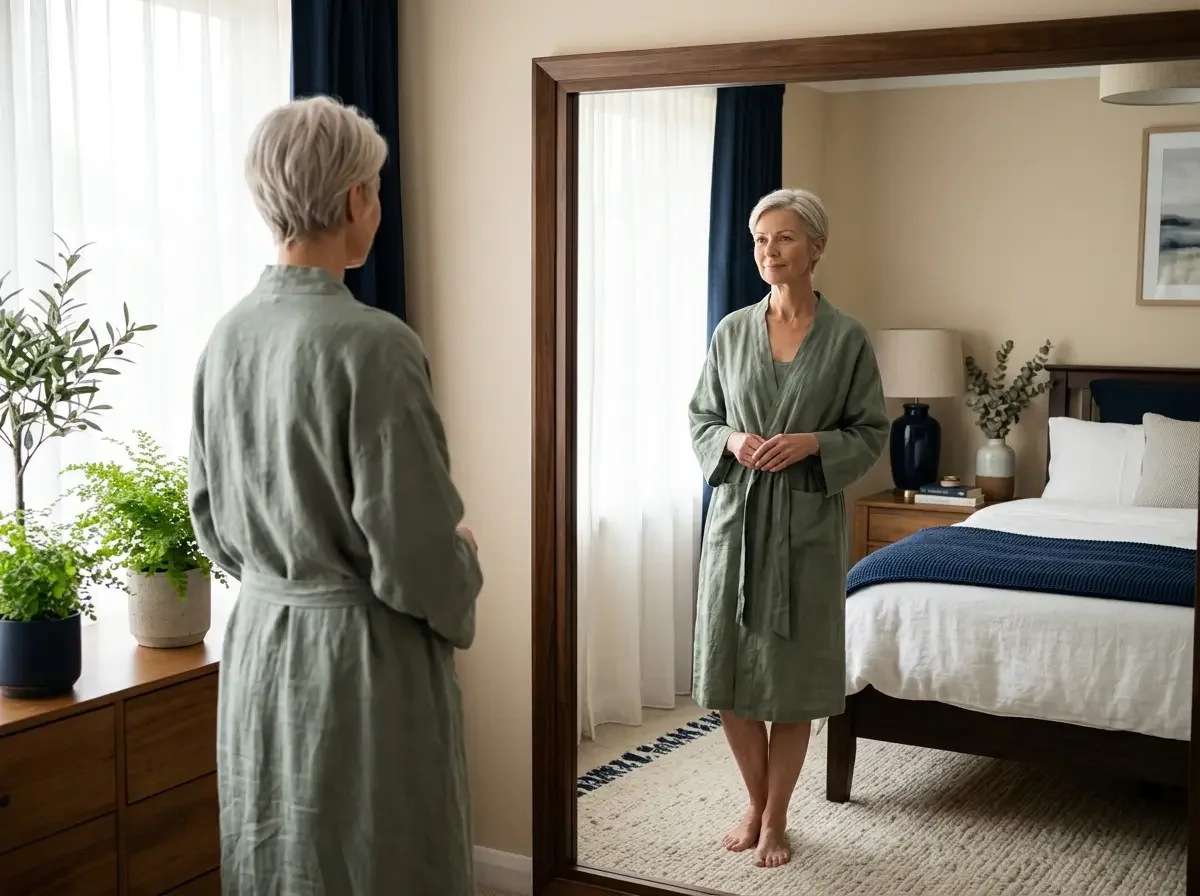


The anti-aging aisle promises to turn back the clock on a woman's face — but the bloodwork, the bone density, the muscle she's quietly losing often go years without a look. Dr. Kelli Peiffer makes the case for a different measure of aging well: strength, capacity, and clarity.