
READ THE LATEST
Ms.Medicine Blog
The Ms.Medicine blog is your trusted source for comprehensive women's health information. We’ll cover a wide range of topics including general health, wellness, lifestyle, nutrition, and women's specific health concerns. With evidence-based articles and practical advice, we aim to empower women to make informed decisions about their health and well-being at every stage of life.






Patient Advocacy: How to Advocate for Yourself During a Routine Checkup
Too many women leave doctor's appointments feeling unheard — with concerns left unaddressed and questions left unasked. Here's how to walk in prepared, speak up with confidence, and get the care you actually came for.
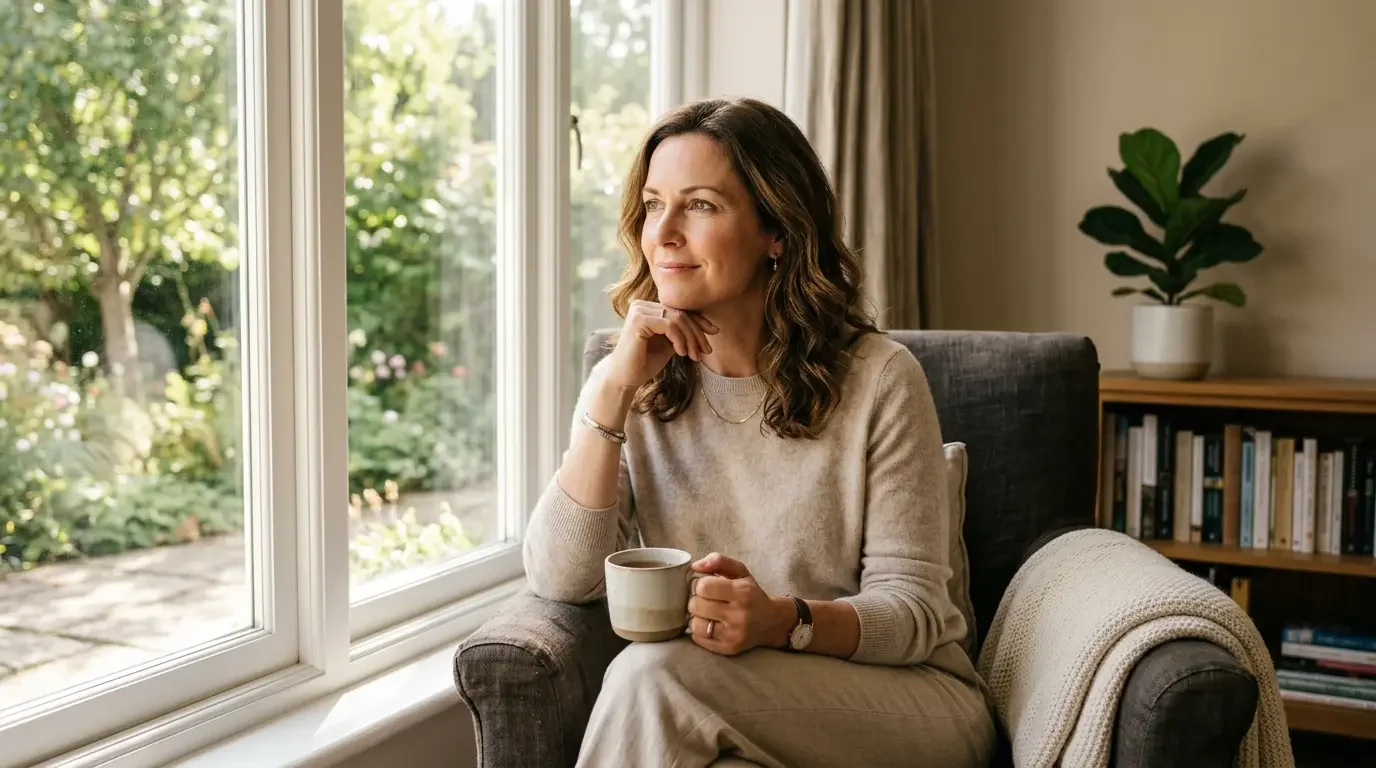
How to Manage Hormonal Changes Without Losing Your Mind: Expert Perimenopause Care Tips
Mood swings, brain fog, sleep disruption, irregular periods — perimenopause can feel like your body has become a stranger. The good news? With the right support and strategies, you can navigate this transition with confidence rather than chaos.

Cold Weather Heart Care: Why Women's Heart Health Matters More in Winter
Did you know heart attacks are more common in colder months? Winter creates real cardiovascular risks for women that often go unaddressed. Here's what you need to know to protect your heart health all season long.

Raising Diabetes Awareness: How Women Can Take Charge of Their Health
Diabetes affects women differently — and those differences matter. From hormonal fluctuations to pregnancy complications, here's what every woman should know about diabetes prevention, management, and getting the personalized care you deserve.

Celebrating Sexual Health: Promoting Open Conversations & Empowerment
Sexual health is about far more than avoiding STIs — it's about pleasure, empowerment, and feeling confident in your own body. Here's why open conversations about sexual wellness matter, and how to start having them.

The Ultimate Winter Wellness Guide: Nutrition, Sleep, and More for Immune Health
Support your immune system this winter with simple wellness strategies. Learn how nutrition, hydration, quality sleep, supplements, and flu vaccination work together to keep you healthy all season long.

Celebrating International Women's Day with Ms.Medicine
This International Women’s Day, Ms.Medicine honors the women who shaped healthcare and recommits to advancing equity in medicine. Learn why gender equity remains essential to improving women’s health outcomes.

Empowering Communities: Promoting Comprehensive Sex Education and Access to Reproductive Health Services
Access to comprehensive sex education and reproductive health services is essential for healthier communities. Learn how screening, advocacy, and policy change empower individuals and protect public health.

Living with Rheumatoid Arthritis: Reflections on Life, Pain, and Resilience
Living with rheumatoid arthritis means navigating pain, unpredictability, and personal growth. This powerful reflection shares lessons on resilience, adaptive living, and building a trusted care team to thrive despite chronic illness.

The Power of Female Friendships: Building Strong Connections
From boosting mental health to offering deep emotional support, female friendships are a powerful force in a woman’s life. Learn how to build stronger connections and support networks.

The Hidden Gender Health Gap in Preventive Care
Despite progress in women’s health, the gender health gap continues to affect access, diagnosis, and outcomes. This post explores why—and what you can do about it.

How to Make Your Annual Wellness Visit Work for You
Tired of rushed checkups? This guide helps women take control of their annual wellness visit with preparation, self-advocacy, and clear follow-up steps.
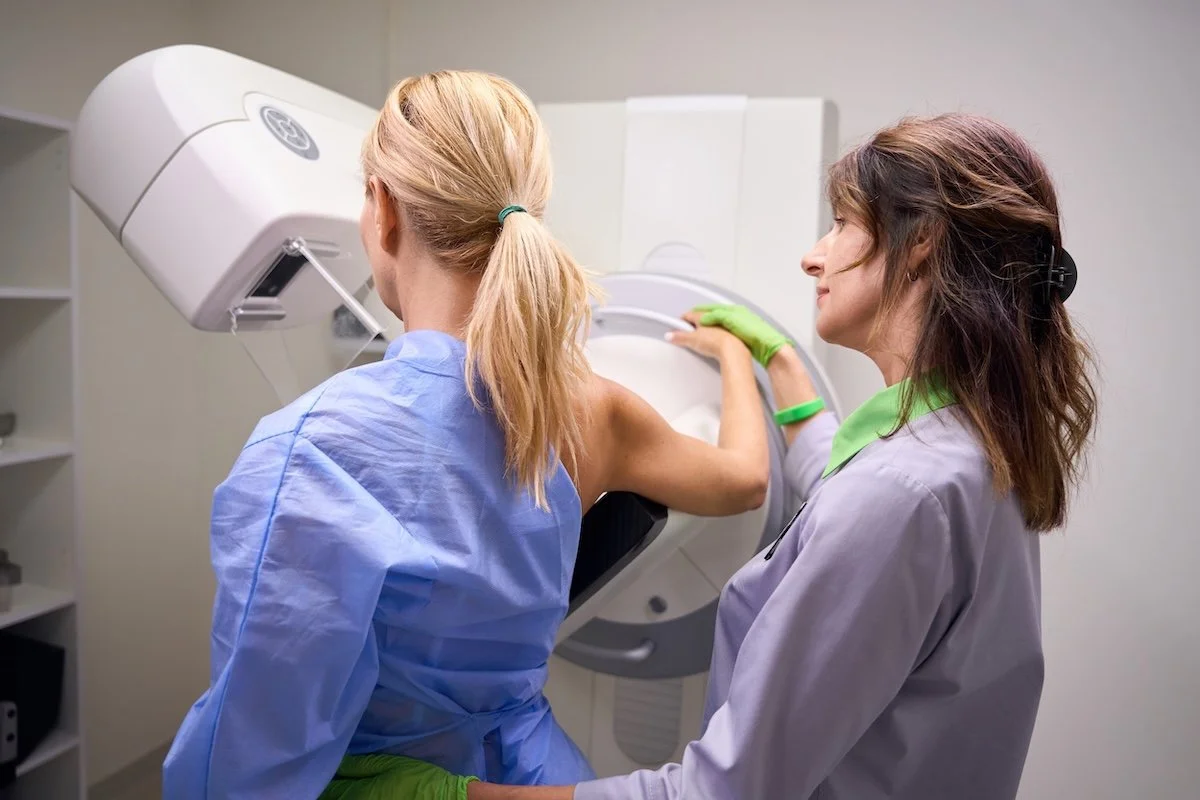
What to Know About Cancer Screenings as You Age
Cancer screening guidelines can be confusing. This guide breaks down which screenings women need by decade and how personalized care makes it easier to stay on track.

Why More Women Are Searching for Alternatives to Insurance-Based Primary Care
Millions of women are tired of long waits, high bills, and not being heard. This article explores why women are leaving traditional insurance-based care behind and turning to membership-based models that put their needs first

Membership Based Primary Care: What It Means and Why Women Are Choosing It
Frustrated by rushed visits and high deductibles? Discover how membership-based primary care is reshaping women’s healthcare—offering more time, better access, and care that puts you first.

Why Getting an Endometriosis Diagnosis Is Painfully Slow
Bindi Irwin, the conservationist, and daughter of the late Steve Irwin, recently put endometriosis in the spotlight as she took to social media to share her journey. Irwin describes that she battled with “insurmountable fatigue, pain & nausea for ten years.” A doctor even told her that her pain “was simply something you deal with as a woman.”

The Hidden Dangers in Your Tampons: What You Need to Know About Toxic Metal Contamination
A new study revealed toxic metals in both organic and non-organic tampons. This guide breaks down the risks, what to watch for, and safer period alternatives.

Colorectal Cancer
Colorectal cancer isn’t glamorous—but it’s worth talking about. This post breaks down symptoms, screening options, risk factors, and how early detection can save lives.
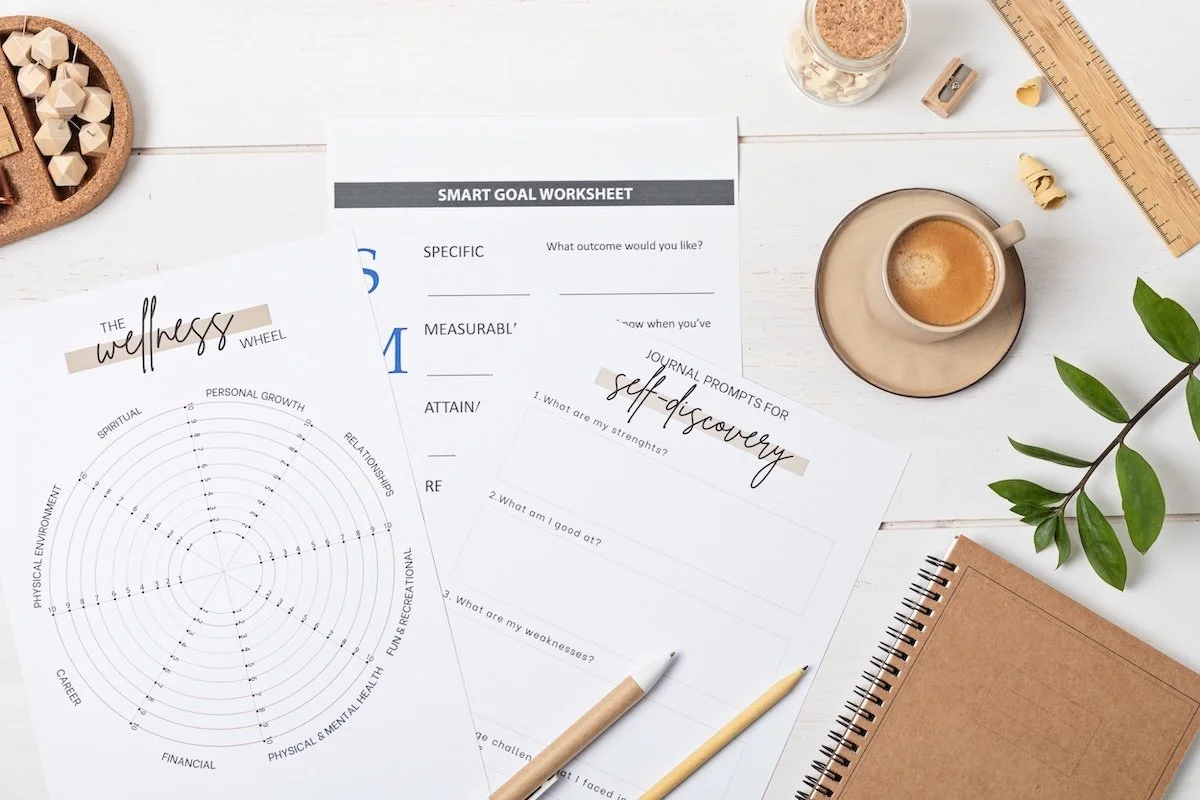
The Year-End Wellness Checklist Every Woman Should Complete
Before the year ends, give your health the attention it deserves. This evidence-based checklist helps women catch up on screenings, review medications, and plan for a healthier year ahead.

Cervical Cancer and Your Health
Cervical cancer often develops silently. This guide explains how HPV causes cervical cancer, what symptoms to watch for, and how screening saves lives.