

Last Updated February 2026
As the cold and flu season approaches, maintaining a robust immune system becomes more crucial than ever. Are you ready to embrace winter wellness tips that can boost your immunity and keep those pesky colds at bay? From healthy nutrition and hydration tips to understanding the importance of sleep for immunity, our ultimate winter wellness guide offers a comprehensive approach to health. We’ll also discuss the benefits of flu vaccination and explore supplements for health that can support your body's natural defenses. Join us on this journey to a healthier winter, where you’ll feel empowered to make informed choices and take action towards a resilient immune system.
Nutrition and Hydration for Immunity
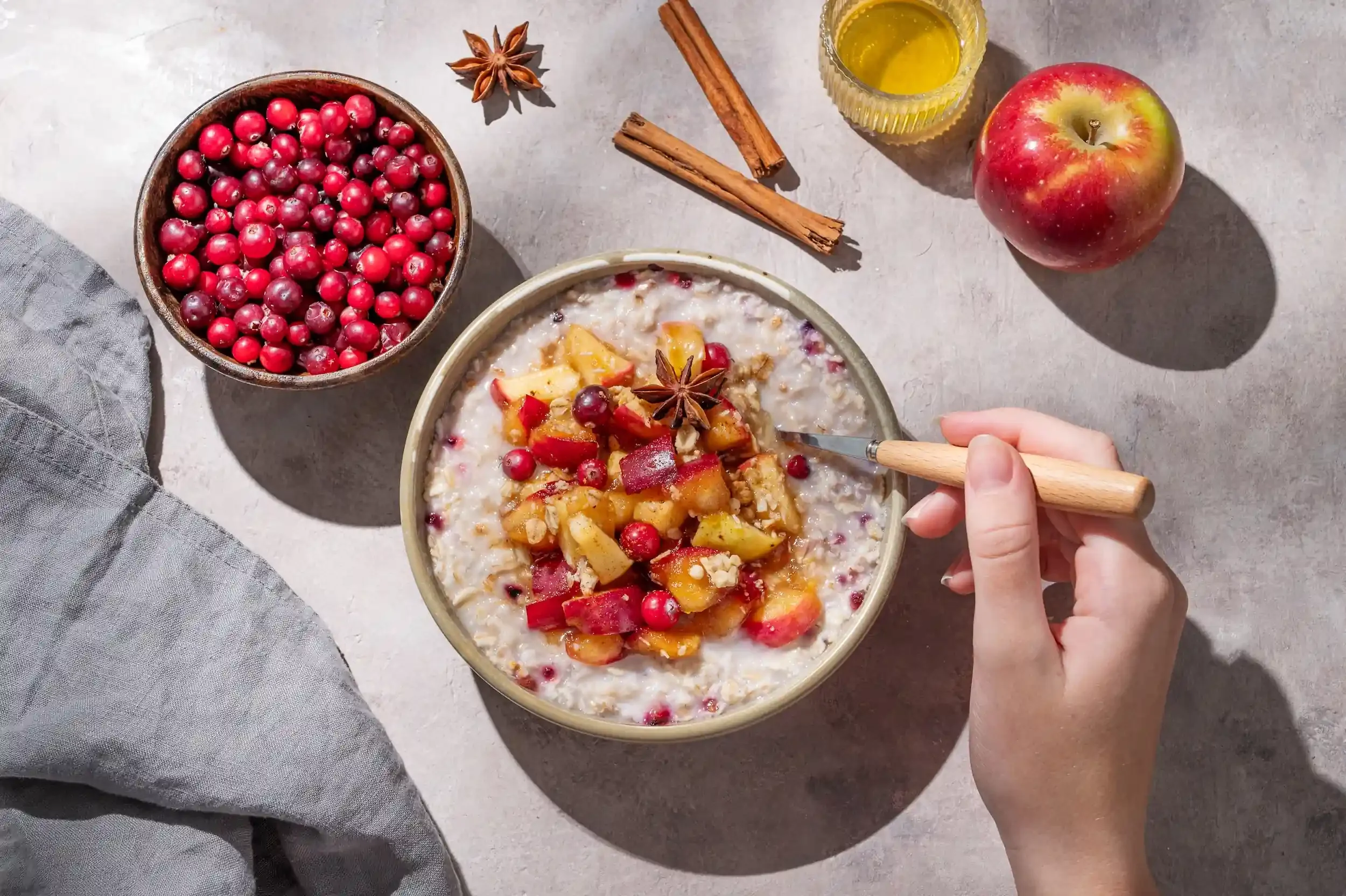
Healthy Nutrition Essentials
A diet rich in essential nutrients is pivotal for boosting immunity, particularly during the cold and flu season. Foods high in vitamins C and E, such as citrus fruits, nuts, and seeds, are known for their immune-boosting properties. Incorporating leafy greens and colorful vegetables provides antioxidants that combat oxidative stress, supporting overall immune function. Protein sources such as lean meats, fish, and legumes are crucial, as amino acids are essential for the production of immune cells. Don’t forget the power of probiotics found in yogurt and fermented foods, which promote gut health—a vital component of a strong immune system. Making informed food choices empowers you to take control of your health. By focusing on healthy nutrition, you prepare your body to fend off infections, ensuring you stay well throughout the winter months. Consider this your invitation to explore a variety of foods that naturally nourish and protect your body.
Hydration Tips for Winter
Proper hydration is often overlooked in winter, yet it remains essential for maintaining a strong immune system. Cold weather can reduce the sensation of thirst, leading to dehydration if fluid intake is neglected. To combat this, aim to drink at least eight cups of water daily. Herbal teas and warm broths are excellent alternatives that provide warmth and hydration. Consuming water-rich foods, such as soups, fruits, and vegetables, also contributes to overall fluid intake. Remember, even mild dehydration can weaken your immune response, making regular hydration a priority. Staying hydrated ensures your body can effectively transport nutrients to cells and remove toxins. Embrace these hydration tips as a simple yet powerful way to support your immunity during the colder months. By prioritizing fluid intake, you safeguard your health against the challenges of the cold and flu season, setting the foundation for a resilient immune system.


Supplements for Health
While a balanced diet is the cornerstone of good health, supplements can provide additional support to your immune system, especially in winter. Key supplements like vitamin D, vitamin C, and zinc are renowned for their immune-boosting properties. Vitamin D is particularly important in winter months, when reduced sunlight exposure can deplete natural levels. Vitamin C, a powerful antioxidant, supports various immune system cellular functions. Zinc plays a critical role in immune cell development and communication. Before adding supplements to your routine, consult with a healthcare professional to determine what your body needs. Remember, supplements are not substitutes for a healthy diet but can enhance your overall defense strategy. By incorporating supplements for health, you add an extra layer of protection, helping your body fight infections. Taking these steps ensures your immune system remains robust throughout the challenging cold and flu season.
Sleep and Restful Routines

Sleep for Immunity
Quality sleep is a fundamental component of a strong immune system. During sleep, your body undergoes critical processes that enhance immune function, including the production of cytokines, which help fight infections and inflammation. Insufficient sleep can reduce levels of these protective proteins, making you more susceptible to illness. Aim for seven to nine hours of restful sleep each night to maintain optimal immune health. Establishing a consistent bedtime routine, limiting screen time before bed, and creating a comfortable sleep environment can significantly improve sleep quality. Remember, sleep is not a luxury but a necessity for your well-being. By prioritizing good sleep habits, you equip your body to efficiently ward off the colds and flu prevalent in the winter months. Embrace these practices to ensure your immune system is well-prepared to defend against seasonal challenges and support overall winter wellness.
Creating Restful Routines
Establishing restful routines is vital for promoting healthy sleep, which in turn supports your immune system. Begin by setting a consistent sleep schedule: go to bed and wake up at the same time each day, even on weekends. This regularity helps regulate your body’s internal clock. Incorporate calming activities into your pre-sleep routine, such as reading, meditating, or taking a warm bath, to signal your body that it's time to wind down. Limit exposure to screens and bright lights at least an hour before bedtime, as these can interfere with your ability to fall asleep. Creating a tranquil sleep environment can also enhance restfulness; ensure your bedroom is cool, dark, and quiet. By integrating these restful routines, you foster an environment conducive to quality sleep, empowering your body to maintain a resilient immune system. Prioritizing sleep as part of your winter wellness strategy ensures you are well-prepared to face the season's challenges.
The Role of Vaccination
Flu Vaccination Importance
The flu vaccination is a critical component in protecting your health during the cold and flu season. It is particularly crucial this winter, as it helps reduce the risk of flu-related complications and transmission. Vaccines work by stimulating your immune system to recognize and fight the influenza virus effectively. By getting vaccinated, you not only protect yourself but also those around you, including vulnerable populations such as the elderly and individuals with compromised immune systems. National Influenza Vaccination Week serves as a reminder of the importance of flu vaccines and encourages more people to take this preventive step. While the vaccine is not a guarantee against the flu, it significantly reduces the severity and duration of illness if you contract it. Embracing flu vaccination as part of your winter wellness plan is a proactive measure that strengthens community immunity and fosters a healthier environment for everyone. Make the informed choice to get vaccinated and support your immune health.

Protecting Your Health This Winter
Protecting your health during winter involves more than just flu vaccination; it requires a holistic approach to wellness. Alongside getting vaccinated, maintaining a well-balanced diet and staying hydrated are key to boosting immunity. Incorporating regular physical activity, even in colder months, enhances circulation and supports immune function. Ensuring adequate sleep and establishing restful routines are crucial for maintaining strong immune defenses. Personal hygiene practices, such as frequent hand washing and avoiding close contact with sick individuals, further reduce the risk of infection. Consider checking in on your mental health as well; stress management techniques like meditation or yoga can help maintain overall well-being. By adopting these comprehensive winter wellness tips, you not only prepare yourself to resist cold and flu viruses but also promote a healthier lifestyle year-round. Take these steps to protect your health this winter and enjoy the season with confidence and vitality.



Knowing CPR is one of the most practical things you can do for the people around you. It takes a few hours to learn, and it can make the difference between life and death in the minutes before emergency services arrive. Here's why getting certified is worth it.