

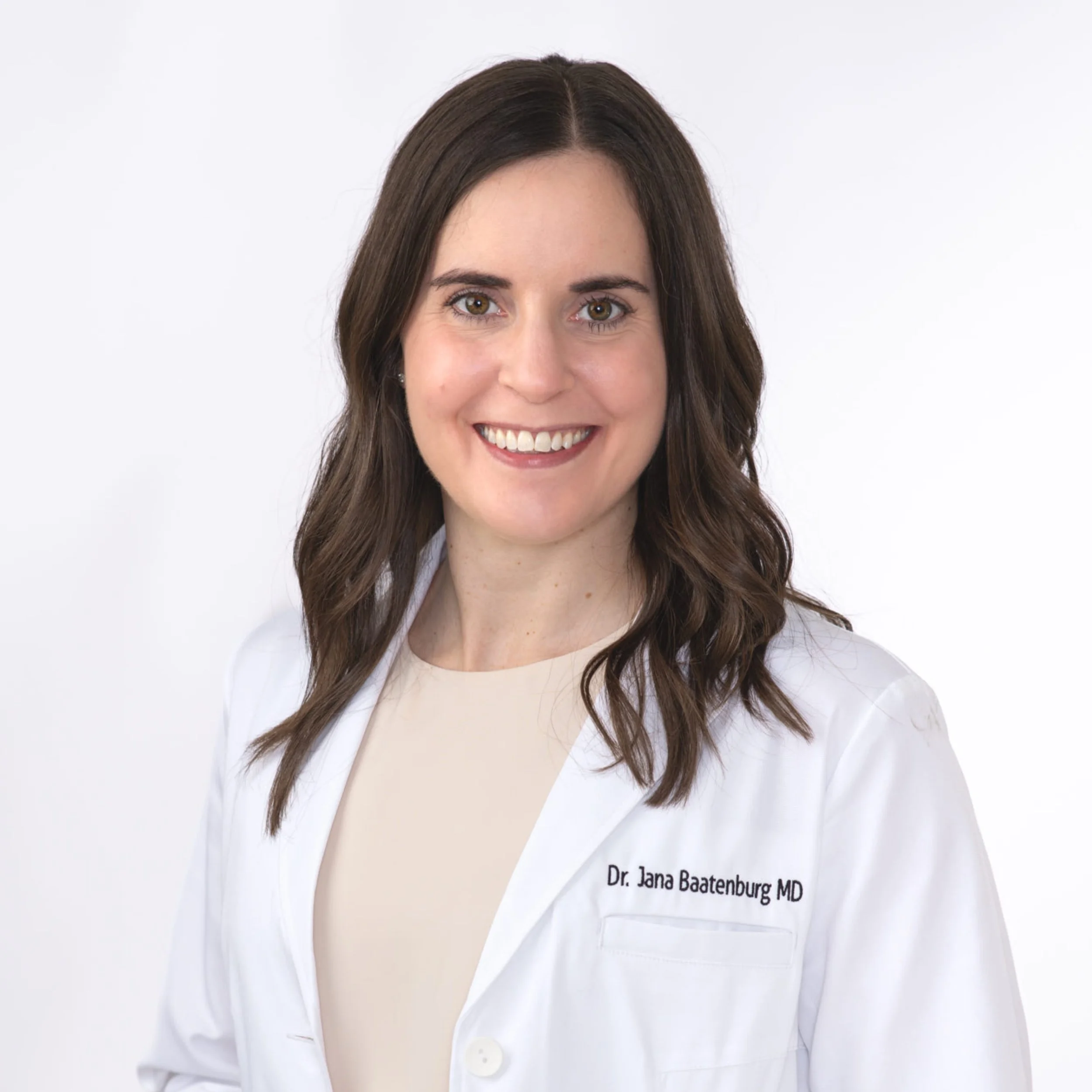
Medically reviewed by Jana Baatenburg, MD, MSCP, co-owner and co-founder of Concierge Medicine of West Michigan
Last updated: November, 2026
At Ms.Medicine, we often meet women who've spent years navigating fragmented care, appointments that feel rushed, inconsistent follow-up, and little time to ask questions. This article is for anyone managing or worried about chronic conditions like diabetes or prediabetes who's wondering if there's a better way. Here, we'll explore how concierge medicine transforms the experience of care through time, access, and true partnership.
Why Chronic Conditions Require More Than Quick Visits: A Better Approach for Women's Metabolic Health
Managing diabetes or prediabetes isn't a one-time fix; especially for women. It requires consistent monitoring, lifestyle support, and ongoing communication. According to the Centers for Disease Control and Prevention (CDC), about 1 in 8 Americans lives with diabetes, and more than 2 in 5 adults have prediabetes. Yet many struggle to get the guidance they need between short visits and long wait times.
For women, the challenge is even greater. Hormonal shifts, autoimmune risk, and the stress of caregiving all complicate metabolic health. The menopausal transition, in particular, accelerates metabolic changes, increasing insulin resistance, central adiposity, and cardiovascular risk. When follow-up falls through the cracks, progress stalls. True prevention requires continuity, the kind of relationship that allows for ongoing conversation, not just a yearly 15-minute check-in.

The Traditional Model: Reactive, Not Proactive
In traditional primary care, physicians often care for thousands of patients. Appointment slots average 15 minutes, leaving little time for nuanced discussions about fatigue, nutrition, sleep, or the interplay between hormones and metabolism.
Most women describe a cycle of frustration:
Getting lab results without clear explanations.
Trying to make sense of conflicting advice.
Feeling like they have to manage their condition alone.
Evidence shows that standard care frequently fails to meet the needs of women with diabetes or prediabetes, especially during hormonal transitions. The American Diabetes Association emphasizes that effective diabetes management requires individualized care and education, which is something that is hard to achieve when doctors are overextended and follow-up is inconsistent.
As a result, many patients end up in "reactive" mode, addressing problems only after symptoms worsen. Concierge medicine is designed to reverse that cycle.
The Concierge Difference: Time, Access, and Continuity
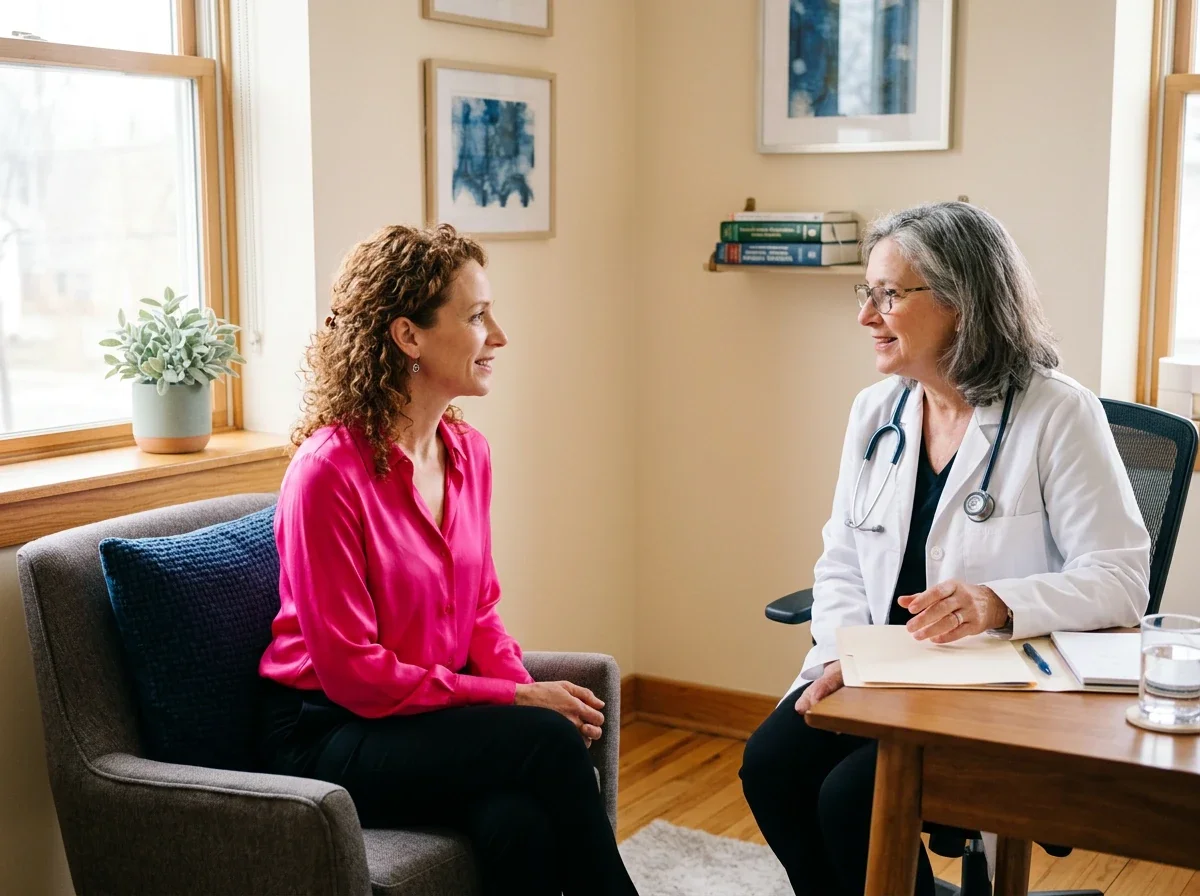
Concierge care redefines the doctor-patient relationship by strictly limiting the number of active patients, concierge care ensures your doctor has the time to focus entirely on your unique health needs. At Ms.Medicine, our patients have direct access to their physicians through same-day or next-day appointments, secure messaging, and extended visits that typically last 45–60 minutes or beyond that in some cases.
This time and access allow for:
Proactive testing and tracking: Instead of waiting for symptoms, we monitor metabolic markers like A1C, fasting glucose, and cholesterol trends to catch issues early.
Comprehensive prevention: Care plans include nutrition, hormone balance, stress management, and exercise, not just prescriptions.
Personalized education: Patients leave with clear action steps and an understanding of why those steps matter.
Ongoing coordination: Ms.Medicine physicians collaborate with specialists, including endocrinologists, cardiologists, and dietitians, to ensure care stays connected.
Expert perspective: "Our model gives women time to talk about what's really going on," says Dr. Jana Baatenburg, MD, MSCP, a Ms.Medicine provider. "We don't just look at lab numbers. We talk about sleep, hormones, exercise, nutrition, and life stress, because those are the factors that move the needle for long-term health."
Studies support the difference this model makes. A 2025 systematic review in The American Journal of Medicine evaluated concierge medicine across cost, access, and outcomes, adding to a body of evidence that ties smaller panel sizes and greater access to higher patient satisfaction and more consistent chronic and preventive care. For a condition like diabetes, that continuity is what allows a physician to catch shifts in metabolic markers early and adjust course before problems compound.

How Ms.Medicine Supports Women's Long-Term Health
For women managing or preventing diabetes, care at Ms.Medicine goes far beyond lab results. Our physicians understand the unique metabolic and hormonal factors that influence women's health across each decade.

Here's how we help patients stay ahead of chronic disease:
Early detection through the Metabolic Health Risk Assessment. This evidence-based tool identifies risk before symptoms appear, empowering women to take action early.
Longer appointments that uncover the whole story. We review labs, lifestyle, and emotional well-being together to create a sustainable plan.
Integrated menopause and metabolic care. Many midlife women experience blood-sugar changes alongside perimenopause; our providers address both.
Tailored medication management: We consider safety, drug interactions, and the latest therapies when medication is indicated.
Follow-up that feels like a partnership. Regular touchpoints and open communication replace the guesswork of traditional systems.
Patients often tell us that this relationship changes how they feel about their health. They no longer see prevention as one more item on their to-do list, but as a foundation for feeling well.
For chronic conditions like diabetes, that sense of support matters. Studies show that regular guidance and education significantly reduce complications and improve long-term outcomes. Concierge medicine provides the structure to deliver both.
A Better Way Forward
If you've ever left a doctor's visit with unanswered questions or felt like you're managing your health alone, concierge medicine offers something different: time, access, and partnership. It's not about luxury, it's about prevention that works.
At Ms.Medicine, our physicians combine advanced testing, evidence-based prevention, and ongoing collaboration to help women thrive. In concierge medicine, your care is less about reacting to problems after they’ve developed and more about proactively identifying risks, preventing disease, and helping you feel your best over time.

Your afternoons are a slog, the scale won’t move, and your last lab report said “borderline.” For many women, that combination is the first sign of prediabetes, and it’s easy to blame on stress or midlife. Here’s what to look for and why testing early matters.