

Medically reviewed by Dr. Kelli Peiffer, owner and founder of West Side Concierge Medicine
Last updated: November, 2026
The women arrive a few minutes early and stay a few minutes late. Before the workshop begins, they are already talking, comparing notes on a parent's care, a daughter's move, a symptom one of them finally decided to mention out loud. By the time the clinical portion starts, something has already happened in the room. The shoulders have dropped. The conversation that was supposed to be about hormones or heart health has become, first, about each other.
That moment is easy to overlook as small talk. It is closer to medicine than it looks.
This post is written for the women in our network and the clinicians who care for them. It looks at what research actually shows about connection and health, why those effects appear to be especially pronounced for women, and how a care model built around relationships rather than transactions puts that evidence to work.
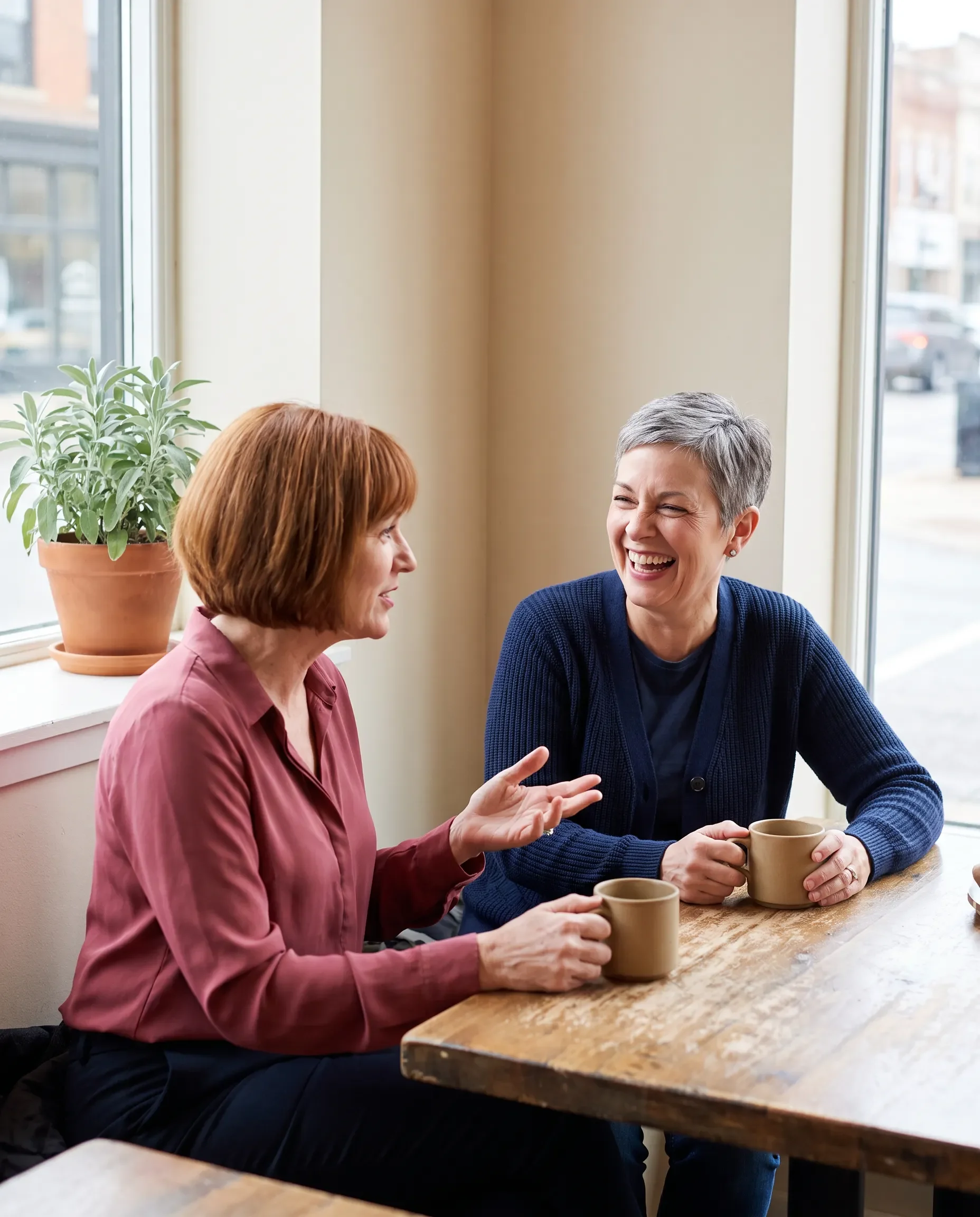
What the body does with our relationships
Connection is not only a comfort. It is a physiological input, and its absence carries measurable weight. The U.S. Surgeon General's 2023 advisory on social connection reports that social isolation is associated with a 29% increased risk of premature death, a 29% increased risk of heart disease, a 32% increased risk of stroke, and roughly a 50% increased risk of developing dementia among older adults.
The relationship runs in the other direction too. A landmark meta-analysis pooling 148 studies and more than 300,000 people found that individuals with stronger social relationships had a 50% greater likelihood of survival over the study periods than those with weaker ties. The researchers noted that the size of that effect is comparable to well established risk factors that clinicians screen for as a matter of routine.
None of this means friendship replaces good clinical care. It means the two belong in the same conversation. When we ask a patient about sleep, stress, and movement, we should be asking about the people around her with the same seriousness.
Why connection matters differently for women
Women often carry the relational work of their families and communities, and the research suggests they also draw distinct protection from it. In a Kaiser Permanente study of 9,267 women with invasive breast cancer, those who were socially isolated were 43% more likely to have a recurrence, 64% more likely to die from breast cancer, and 69% more likely to die from any cause than women with strong social ties. Spouses, friends, family, and community relationships all counted.
That finding reframes the friendships women build. The standing dinner, the group text, the walking partner, the circle that gathers around a diagnosis are not indulgences pulled from a crowded schedule. They are, in a real sense, part of the treatment plan.
“I can order the right labs and prescribe the right therapy, and I still watch two patients with the same numbers do very differently. Often the difference is who is standing beside them when they walk out of my office.”
There is also a quieter cost worth naming. Many women describe feeling unseen inside the medical system itself, their symptoms minimized, their questions rushed. Being genuinely known by a clinician, and by other women moving through the same season of life, is its own form of care.
Gratitude tends to deepen when it is shared, and a few practices make that easier to sustain:
Naming one thing you are grateful for at the start of a gathering, so appreciation becomes the room's first language rather than an afterthought.
Sending a specific thank-you to a woman who supported you this month, describing what her presence actually changed.
Keeping a short written record of moments of connection, which turns fleeting encouragement into something you can return to on a harder day.
Marking milestones together, a recovery, a hard season survived, a quiet win, rather than letting them pass unremarked.
The point is not performance. It is attention. Gratitude trains us to notice the people already holding us up, and noticing is what keeps those relationships strong enough to lean on.
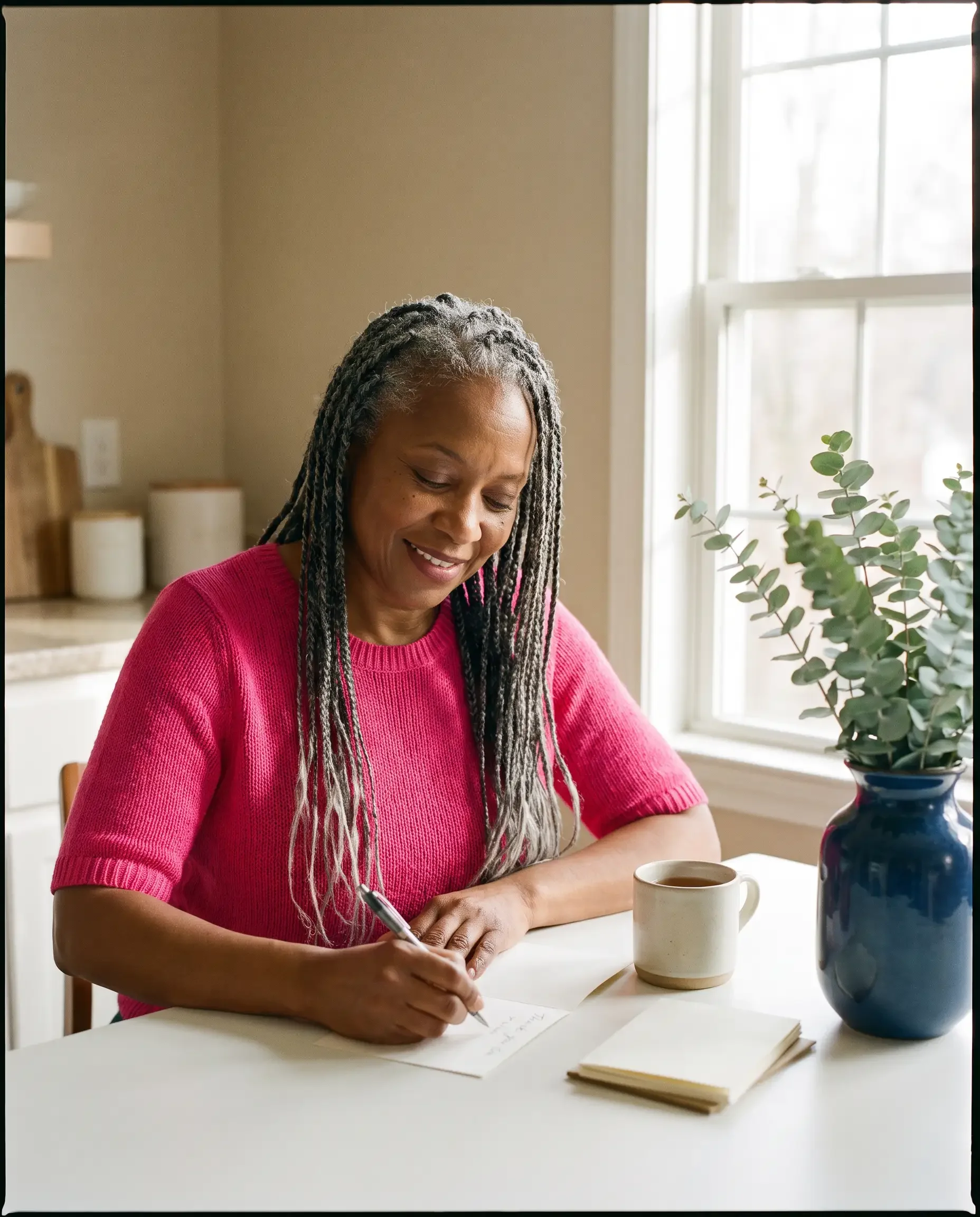
Small, sustainable ways to build connection
Connection can feel like one more obligation on a list that is already too long. It helps to start small and let it compound:
Choose one recurring, low-effort ritual, a monthly coffee or a weekly walk, and protect it the way you would protect a meeting you cannot miss.
Say the true thing sooner. The symptom, the worry, the hard week. Vulnerability is usually what invites others to show up.
Offer specific help rather than a general "let me know if you need anything," which most people never take up.
Widen the circle by one. Invite the newer colleague, the neighbor you nod to, the woman on the edge of the group.
Accept support as readily as you give it. For many women, receiving is the harder half.

How Ms.Medicine builds care around belonging
Ms.Medicine was built on the conviction that women deserve to be known by the people caring for them. That belief shapes the model in practical ways. Affiliate physicians keep their patient panels small enough to actually build relationships, so the woman across the desk is a person with a history, not a slot on an overbooked calendar. Longer visits leave room for the conversations that shorter appointments cut off. And the network's workshops, events, and community gatherings are designed so that the women who walk in as strangers often leave as a small circle of support.
The gratitude woven through that model is not a slogan. It shows up in the way a physician remembers what mattered to a patient last time, and in the way patients, over time, begin to look out for one another. A women's health community is not a marketing phrase at Ms.Medicine. It is the mechanism through which better care actually happens.
The relationships that keep us well
The evidence is consistent and, in the end, deeply human. Women who are held by strong relationships tend to live longer, recover better, and carry the ordinary weight of their lives with more resilience. Women supporting women is not soft in the dismissive sense of the word. It is one of the most reliable health interventions available, and it costs nothing but attention and time.
If you have been meaning to reach out to someone, this is your reason. And if you are looking for a place where being known is part of the care, that is exactly what the women in this network are building, one relationship at a time.



The women arrive early and stay late, and by the time the clinical part of the workshop starts, the room has already changed. Research suggests that shift is doing real work: for women especially, strong relationships track with longer lives and better recovery.