
READ THE LATEST
Ms.Medicine Blog
The Ms.Medicine blog is your trusted source for comprehensive women's health information. We’ll cover a wide range of topics including general health, wellness, lifestyle, nutrition, and women's specific health concerns. With evidence-based articles and practical advice, we aim to empower women to make informed decisions about their health and well-being at every stage of life.





Stress and Heart Health: How to Protect Your Heart This Month
In today's fast-paced world, stress isn't just affecting your mind—it's impacting your heart. Learn how chronic stress silently damages heart health and discover practical, science-backed strategies to protect yourself. From simple breathing techniques to lifestyle changes, find out how managing stress today can lead to a healthier heart tomorrow.

Menopause and Memory: Tips for Maintaining Cognitive Health
National Alzheimer's Disease Awareness Month highlights the connection between menopause and cognitive health. Hormonal changes during menopause can impact brain function and increase Alzheimer's risk in women. Maintaining cognitive health involves a balanced diet, regular exercise, and mental stimulation. By understanding these risks and adopting proactive strategies, women can support their brain health during and after menopause.

Understanding Breast Density: What You Need to Know About Your Mammogram
Navigating the world of mammograms can often feel overwhelming, especially when you're faced with terms like "breast density" and "dense breast tissue." Understanding what these terms mean is crucial for making informed decisions about your health. As of September 2024, mammography facilities are required to provide you with a breast density notification, letting you know if your breast tissue is dense or not. But what exactly does having dense breast tissue imply, and how does it affect your breast cancer risk? Join us as we unravel these questions and empower you with knowledge, so you can confidently approach your mammogram, armed with understanding and optimism.

Women's Health Matters: Advocating for Your Health Care Needs
As Ms.Medicine continues to push for enhanced recognition and comprehensive management of women's health, we join millions around the globe in marking Women's Health Week 2024. This week is a vital reminder of the importance of prioritizing women’s health and serves as an opportunity to bring attention to the unique health challenges women face.

Self-Care for Busy Women: Strategies to Keep Your Sanity
We often find ourselves caught up in the never-ending cycle of responsibilities and commitments. We juggle multiple roles, constantly putting others' needs before our own. But here's the truth: neglecting self-care is a recipe for disaster. Without taking the time to recharge and prioritize our well-being, we risk burnout, exhaustion, and a negative impact on our mental and physical health.

Understanding Breast Cancer Risk: What Olivia Munn’s Experience Reveals
While sharing her journey with breast cancer, Olivia Munn has sparked a crucial conversation about the significance of breast cancer risk assessment. Understanding why Olivia Munn's breast cancer reveal emphasizes the need for risk assessment is vital, as this evaluation can provide essential insights into one's individual risk factors and empower informed decision-making regarding preventive measures. Exploring what a breast cancer risk assessment can and can't reveal is key to demystifying this process, guiding women over 40 towards proactive healthcare. In this piece, we delve into the importance of this tool, highlighting the specialized support Ms.Medicine providers offer in conducting risk assessments and providing personalized guidance. Dr. Lisa Larkin's personal experience as a breast cancer survivor further underscores the importance and value of this assessment, demonstrating the necessity of proactive healthcare in promoting women's well-being.

Women, Alcohol, & The Holidays
The Holidays are right around the corner, and many of our joyous celebrations are often associated with a plethora of alcoholic beverages. While we have traditionally heard and even recommended that alcohol in moderation is ok, or that red wine has heart health benefits, more recent research says otherwise, especially for women. Over a decade ago, alcohol earned the classification by the International Agency for Research on Cancer as a “Class 1 Carcinogen.” Other substances that are in this class, the absolute highest risk class of carcinogen, include tobacco, asbestos, Human Papillomavirus, radiation, and plutonium.

Managing PCOS: Lifestyle Changes & Treatment Options
Do you have missed periods or heavy bleeding during menstruation? Do you have excess hair growth or acne? Have you been struggling to get pregnant for more than 12 months? You may have Polycystic Ovary Syndrome (PCOS) if you struggle with any of these issues.

Alcohol Awareness Month Mock-tails
Sip on something sweet and sober this Alcohol Awareness Month with a delicious mocktail! Try out these recipes, for a great fresh spring drink alternative that is alcohol-free! Let’s raise a glass to make responsible choices and prioritizing our health!

Ladies, let's face it: menopause is no joke
Ladies, let's face it: menopause is no joke. The hot flashes, the mood swings, the night sweats…it can all feel overwhelming at times. I've seen it all when it comes to menopause. And I'm here to say that you don't have to suffer through it alone.

Healthy Indulgences: Red Wine & Dark Chocolate
When it comes to health and wellness, red wine and dark chocolate are two of the most beloved indulgences. Rich in antioxidants, both of these treats provide various health benefits ranging from cognitive stimulation to improved heart health.

A Galentine's Day Guide To Self-Care
Did you know February 13th is recognized as Galentine’s Day? On this special day of love, we are reminded of the importance of celebrating the wonderful women in our lives. As Leslie Knope famously said, “Oh, it’s only the best day of the year!”
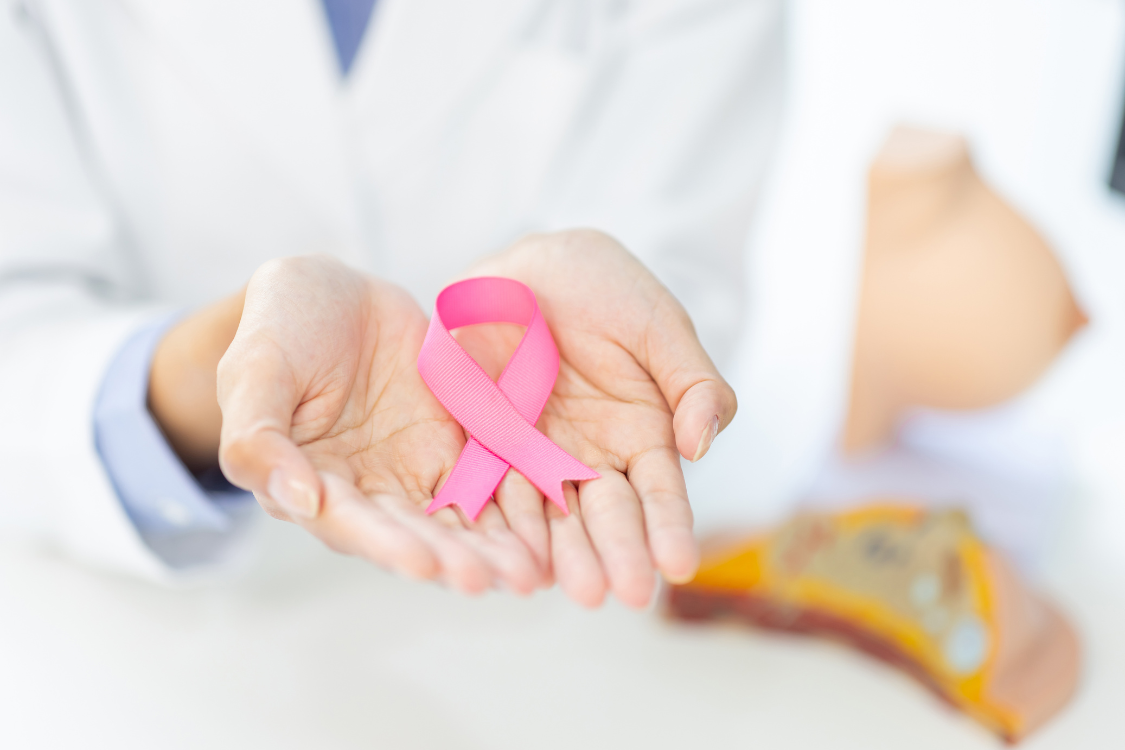
Breast Cancer: Early Detection, Screening & Intervention
Breast cancer is the second most common cancer in women. According to the American Cancer Society data, one in eight women and 1 in 833 men will develop breast cancer. There are many variables that come into play in the development of breast cancer. Most of us are motivated to do anything to prevent or diminish the risk of developing it.

Osteoporosis
Let’s talk about bone health. Osteoporosis is a common problem that causes bones to be thinner and weaker than they should be and increases the risk of fractures (broken bones). Although both men and women can develop osteoporosis, we are going to focus on bone health in women, especially women who are past menopause. This group is at a particularly high risk of weak bones and fractures, especially at the hip and spine.

Questions About Menopause? We’ve Got Answers
Did you know October is recognized as Menopause Month? We thought we’d answer some common questions about Menopause.

Understanding Breast Density
Nearly half of all women have dense breasts – something that increases a woman’s risk of developing breast cancer and makes it more difficult to detect cancer in screenings. Despite how widespread dense breasts are, there still isn’t the clarity and knowledge women need around this issue.