

Your Cycle Is Telling You Something
Most women spend decades managing their menstrual cycles without ever getting a clear explanation of how those cycles actually work. Healthcare visits are short. Symptoms get normalized. And too often, women are told that painful, irregular, or disruptive periods are just something to live with. They aren't. Your menstrual cycle is a continuous signal from your body — one that reflects your hormones, your metabolism, your stress levels, and your long-term health. At Ms.Medicine, we treat cycle literacy as foundational to women's health, not a niche concern. When you know what your cycle should look like, you can spot when something's off and actually do something about it.
Download the free Guide to Menstrual Health and get the full picture.
Why it Matters
7 Years
THE AVERAGE TIME TO DIAGNOSIS FOR ENDOMETRIOSIS — A CONDITION AFFECTING 1 IN 10 WOMEN OF REPRODUCTIVE AGE. MOST OF THAT DELAY COMES DOWN TO DISMISSED SYMPTOMS.

Your Cycle Is More Than a Period
Your menstrual cycle begins on the first day of your period and ends the day before your next one. Anywhere from 21 to 35 days is considered normal. It runs on a precise hormonal conversation between your brain, your ovaries, and your uterus — and disruptions to that system can affect your energy, mood, bone density, cardiovascular health, and fertility. The four phases — follicular, menstrual, ovulation, and luteal — each have distinct hormonal patterns that explain why you feel different at different points in your cycle. Understanding that pattern is one of the most useful things you can do for your own health.

What's Normal and What Isn't
Bleeding that lasts 2 to 7 days and loses up to 80ml per cycle is within the normal range. Blood that shifts from bright red to darker red or brown toward the end is also normal. What isn't: soaking through a pad or tampon every 1 to 2 hours, periods lasting longer than 7 days, clots larger than a quarter, significant pelvic or lower back pain, pain with urination or bowel movements, extreme fatigue, or notable changes in mood or mental health. These are symptoms worth bringing to your provider — not because something is definitely wrong, but because they deserve an actual answer, not a shrug.
Conditions That Go Undiagnosed for Years
Endometriosis affects roughly 1 in 10 women of reproductive age and takes an average of seven years to diagnose. Adenomyosis is frequently misdiagnosed as fibroids. PCOS — now being reclassified as PMOS — is a complex metabolic and hormonal condition that disproportionately affects women of color and often goes unrecognized. PMDD is not emotional sensitivity; it's an abnormal neurological response to normal hormonal fluctuation, and it's treatable. Fibroids develop in up to 70 to 80 percent of women by age 50. POI occurs before age 40 and carries serious long-term risks that most women are never warned about. Knowing these conditions exist changes what you ask for.

The Pelvic Floor and Your Cycle
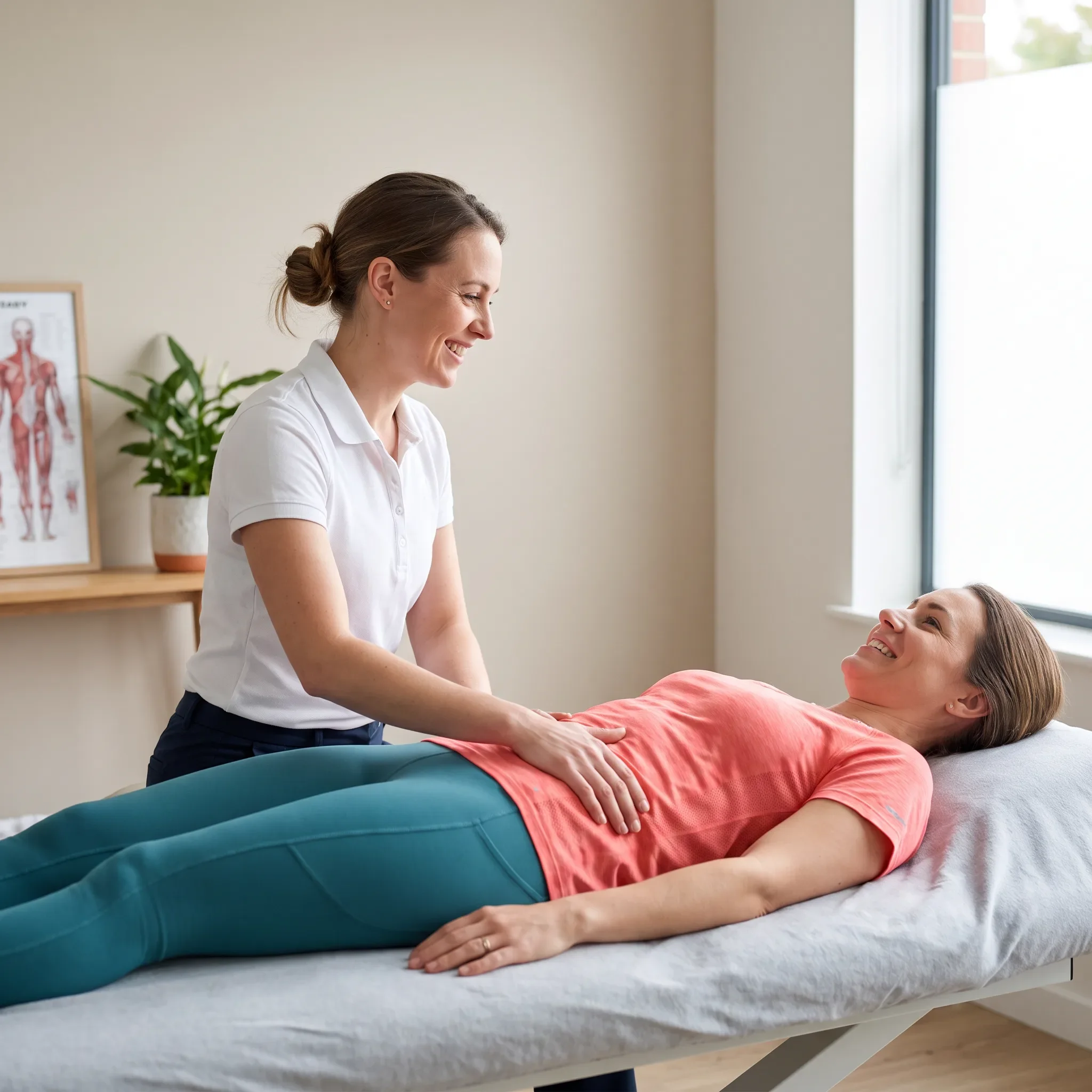
The pelvic floor is a group of muscles and connective tissue that supports the bladder, bowel, uterus, and vagina — and pelvic floor dysfunction is significantly more common than most women realize. When these muscles are not functioning well, whether due to weakness, tightness, or injury, it affects far more than most women expect. Pelvic floor tension can worsen menstrual pain and contribute to conditions like vulvodynia. Pelvic floor physical therapy is the gold standard first-line treatment for most pelvic floor dysfunction and is meaningfully underutilized. A trained pelvic floor physiotherapist can assess whether your muscles need strengthening or releasing — because these require completely different approaches.

Vaginal Health and What's Worth Attention
Normal vaginal discharge is the body's self-cleaning mechanism. It varies in consistency and volume throughout the cycle and is not something to prevent or suppress. What warrants evaluation: discharge with a strong odor, thick white cottage cheese-like discharge, green or yellow discharge, or blood-stained discharge outside of your period. Yeast infections, bacterial vaginosis, and UTIs are all common and treatable — but recurrent infections deserve more than repeated antibiotic courses. Recurrent UTIs in women approaching menopause can be related to declining estrogen and deserve a longer conversation with your provider about what's actually driving them.

Nutrition, Mental Health, and Your Hormones
The relationship between what you eat and how your cycle behaves is real — and also dense with misinformation. Foundational dietary patterns matter more than any specific supplement or elimination protocol. A Mediterranean-style eating pattern has the strongest evidence base for both general and hormonal health. For women with heavy cycles, iron-rich foods are worth prioritizing. For those managing PCOS, pairing carbohydrates with protein or healthy fats supports more stable blood glucose. Separately, the relationship between hormones and mental health is not incidental: estrogen and progesterone directly affect serotonin, dopamine, and GABA — which is why mood, cognition, and emotional resilience shift across the cycle in ways that are clinical, not personal.

Perimenopause, Menopause, and Your Cycle
Perimenopause typically begins in the early-to-mid 40s and can start in the 30s — especially for women of color, who tend to experience it earlier and with more intense symptoms. During this transition, estrogen levels fluctuate unpredictably before declining, and your cycle may become irregular, heavier, lighter, shorter, or longer. Conditions like endometriosis and fibroids can behave differently during perimenopause, sometimes becoming more symptomatic as hormonal patterns shift. New or worsening cycle changes during this phase always deserve evaluation, not automatic attribution to hormones. Menopause itself — defined as 12 consecutive months without a period — carries implications for bone density, cardiovascular health, and cognitive function that go well beyond symptom management.

Cervical Screening and Gynecologic Cancers
Cervical screening is one of the most effective cancer prevention tools available — and uptake rates remain lower than they should be. Current US guidelines recommend Pap testing beginning at age 21, with a combined Pap and HPV co-test every 5 years from age 30 to 65 as one option. HPV is extremely common; a positive test is not a cancer diagnosis and not something to be embarrassed about. Beyond cervical cancer, there are four other gynecologic cancers worth knowing about: endometrial, ovarian, vulvar, and vaginal. No symptom on that list is normal enough to ignore if it is new, persistent, or concerning to you. That's the common thread.

Ms.Medicine's Approach to Cycle Health
At Ms.Medicine, we treat the menstrual cycle as what it is: a vital sign. Our providers are trained to see the hormonal system as a whole, connect cycle symptoms to conditions worth investigating, and give women the information they need to make confident decisions about their bodies. That means taking painful periods seriously instead of normalizing them, evaluating mood changes that follow a hormonal pattern, and not dismissing irregular bleeding as just perimenopause without ruling out other causes. This is not a niche practice — it is women's health done the way it should always have been done, from first period through postmenopause.



For years, women with PCOS navigated a diagnosis that didn't quite add up. The name pointed to the ovaries. The symptoms pointed everywhere else. On May 12, 2026, a global consortium published a landmark paper in The Lancet formally renaming the condition polyendocrine metabolic ovarian syndrome — PMOS. If your care has never quite addressed what you were actually experiencing, the science now agrees with you.