From South Shore to the Philippines: One Physician's Case for a Different Kind of Practice
Last Updated: May 2026
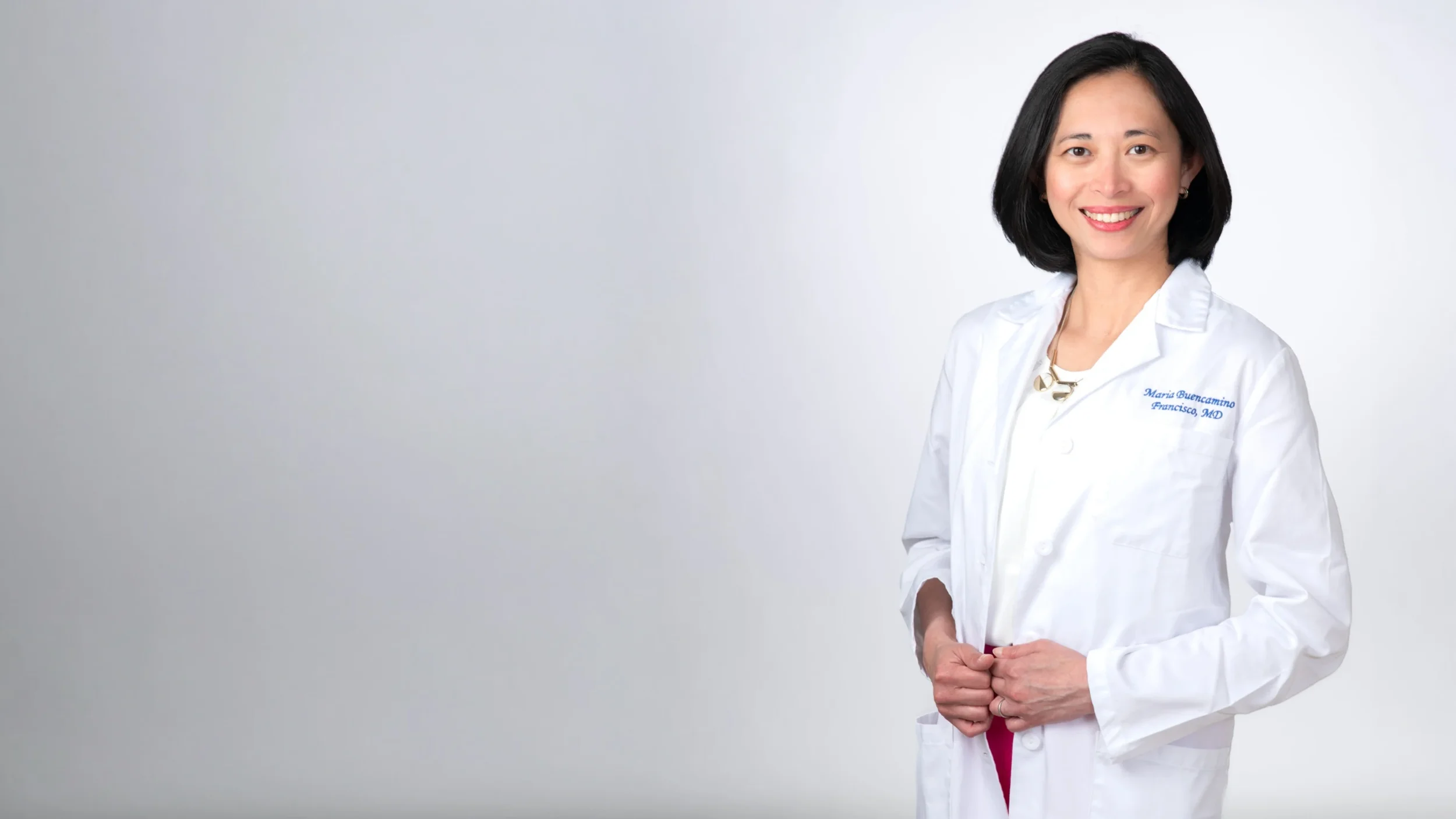
In February, Dr. Maria Clarinda Buencamino-Francisco, MD, traveled to the Philippines as part of a medical mission. In a single day, her team saw more than 100 patients. Many of them had never seen a doctor before.
She came home to her practice in South Shore with something she is still processing: a clearer understanding of what access to care actually means, and a sharper sense of why the way she practices medicine matters.
But to understand what the trip clarified, it helps to understand what she had already built, and what it cost her to get there.
The Breaking Point
Managing a panel of nearly 2,000 patients sounds like a measure of success. For Dr. Buencamino-Francisco, it was the thing that made it impossible to practice medicine the way she had been trained to.
When her patients called sick, she couldn't see them. They were being redirected to urgent care, to the ER, to whoever had an opening. The problem wasn't her ability or her commitment. It was the structure she was practicing inside.
"That's not why I went into medicine."
What she wanted was not complicated: time with her patients, the ability to make decisions based on what they actually needed, and a practice built around care rather than volume. Concierge medicine gave her a path back to that.
The Decision
She first connected with Ms.Medicine at a conference and spent months weighing the decision. The appeal was clear. What gave her pause was the operational side of actually building a practice from scratch, the setup, the marketing, the membership infrastructure, the compliance. It felt like a different profession.
What got her there was knowing she wouldn't have to figure it out alone. Ms.Medicine provided the infrastructure to launch and the ongoing support to sustain it, and a physician community that functions less like a corporate network and more like a group of colleagues who are genuinely invested in each other's success.
Within two years of opening, she had built a panel of around 300 patients. Sixty of them had committed before she saw her first patient. She describes that early vote of confidence as both unexpected and deeply validating.
"I have autonomy. I make medical decisions based on what's best for my patients, not what insurance dictates."
The day-to-day is different in ways that are hard to overstate. Appointments aren't compressed. Conversations go past symptoms into the actual context of a patient's life. Relationships develop over years rather than resetting with each rushed visit.
"We actually get to know each other. That's what primary care is supposed to be."
What She Saw in the Philippines
The mission trip put everything in relief. In the communities she visited, patients had gone years, sometimes their entire lives, without seeing a physician. Not because they didn't want to, but because they didn't have access. No clinic within reach, no affordable medications, no one to explain what their symptoms meant or how to manage a condition they had been carrying for years.
Conditions that in the US are caught early through routine screenings had gone untreated. Small problems had become large ones.
"We are very blessed here with access to care. In many communities, patients don't seek help until they're very sick, and preventive care is limited."
One pattern stayed with her above the rest: patients who stopped taking their medications once they felt better, unaware that the medication was what was keeping them stable. The need wasn't only clinical. It was educational.
"Education, on prevention, consistency, and follow-up, is critical."
Seeing medicine stripped to its most essential form reminded her why she went into it in the first place. Not to rush through appointments. Not to check boxes. To listen, to understand the whole person, and to give them the time and answers they deserve.
What She Brought Back
She returned to South Shore with a renewed sense of purpose and a clearer articulation of what her practice is for. The trip drew a direct line between what she witnessed in the Philippines and what she hears from patients at home.
Many women arrive in her office having felt dismissed or unheard in traditional medical settings, told their symptoms are normal or attributable to stress, without anyone taking the time to look closer. That is a different kind of barrier to care, and one she is committed to addressing.
The mission reinforced what the concierge model already gave her room to do: sit with patients, explain what was happening, and provide them with knowledge and tools they could actually use. Nutrition webinars, preventive health discussions, the kind of ongoing conversation that requires time and trust to be worth anything.
She started this transition looking for something the traditional system had made it nearly impossible to hold onto. What she found is a practice she owns, patients who know her, and the room to do the work the way she always believed it should be done.
Concierge Medicine of South Shore is a concierge primary care practice serving patients across the South Shore. To learn more or schedule a meet-and-greet with Dr. Buencamino-Francisco, visit conciergemedicineofsouthshore.com or call 781-795-9980.
Physicians interested in learning more about opening their own concierge primary care practice through Ms.Medicine can visit msmedicine.com.