
Love Your Body, Love Your Life: How Confidence Shapes Intimacy

Last updated: February 6, 2026
The connection between how you feel about your body and the quality of your intimate relationships runs deeper than many women realize. When you feel disconnected from your body, that disconnection rarely stays contained. It can influence desire, pleasure, and emotional closeness, often in ways that feel confusing or discouraging.
This is not about appearance or meeting unrealistic standards. It is about the relationship you have with your body and whether you feel safe, present, and supported within it. Confidence, intimacy, and self-esteem are closely intertwined, and for many women, rebuilding intimacy begins with understanding what their bodies need rather than judging how they look.
The Mind-Body Connection in Intimacy
Your brain plays a central role in sexual response. When intimate moments are interrupted by self-criticism or distraction, the body often responds with tension rather than openness. Stress activates the nervous system in ways that make arousal and pleasure more difficult to access.
When the body is under stress, cortisol rises, and the body shifts into a state focused on protection rather than connection. Over time, this stress response can affect the hormone balance women rely on for energy, mood, and sexual function. Desire may feel muted, and intimacy can become effortful rather than nourishing.
Research consistently shows that women with higher body confidence report greater sexual satisfaction, regardless of age or body type. This reinforces an important truth. How you experience your body matters more than how it looks. When self-criticism takes up mental space, it limits the body’s ability to relax into pleasure and connection.
Stress, Energy, and Hormones in Midlife
Midlife sexuality is often shaped by more than one factor. Hormonal shifts, chronic stress, disrupted sleep, and life demands all intersect during this stage. Changes in estrogen, progesterone, and testosterone can influence vaginal comfort, sensitivity, and desire. At the same time, prolonged stress can affect adrenal function and overall energy levels.
Many women describe persistent fatigue, low motivation, or feeling emotionally flat. These experiences are sometimes labeled as adrenal fatigue, a term often used to describe the impact of long-term stress on the body’s stress response. While the terminology varies, the experience is real, and it matters.
When the body is overwhelmed, it prioritizes survival over intimacy. Addressing stress and energy levels is often necessary to restore desire. Women who receive support for hormone balance, sleep quality, and stress regulation frequently notice improvements not only in energy but also in mood, confidence, and sexual well-being.
Reframing Self-Love as Health Care
Self-love is often portrayed as a mindset shift, but for many women, it is also a health issue. When symptoms are dismissed or normalized without evaluation, women may internalize the belief that discomfort or low desire is something they must simply accept.
A more supportive approach begins with curiosity rather than judgment. Changes in desire, arousal, or comfort are signals worth exploring. They are not personal failures or signs that something is inherently wrong with you.
Building body confidence involves learning to listen to your body and respond with care. This might mean addressing vaginal dryness or pain rather than tolerating it. It might involve evaluating hormone levels, stress patterns, or energy depletion. It might also include reframing the messages you have absorbed about aging, desirability, and worth.
When women are supported in their physical health, emotional resilience often follows.
Desire Is Not One-Size-Fits-All
One of the most common misconceptions about intimacy is that desire should be spontaneous and effortless. For many women, especially during midlife, desire is responsive. It emerges after connection, touch, or emotional safety rather than before.
Understanding this shift can reduce shame and pressure. It allows intimacy to be approached with curiosity rather than expectation. Confidence grows when women give themselves permission to experience desire differently than they once did.
Open communication with partners can also be an important part of this process. Sharing how stress, fatigue, or body changes affect intimacy helps partners offer support rather than unintentionally adding pressure. Intimacy deepens when both physical and emotional experiences are acknowledged.
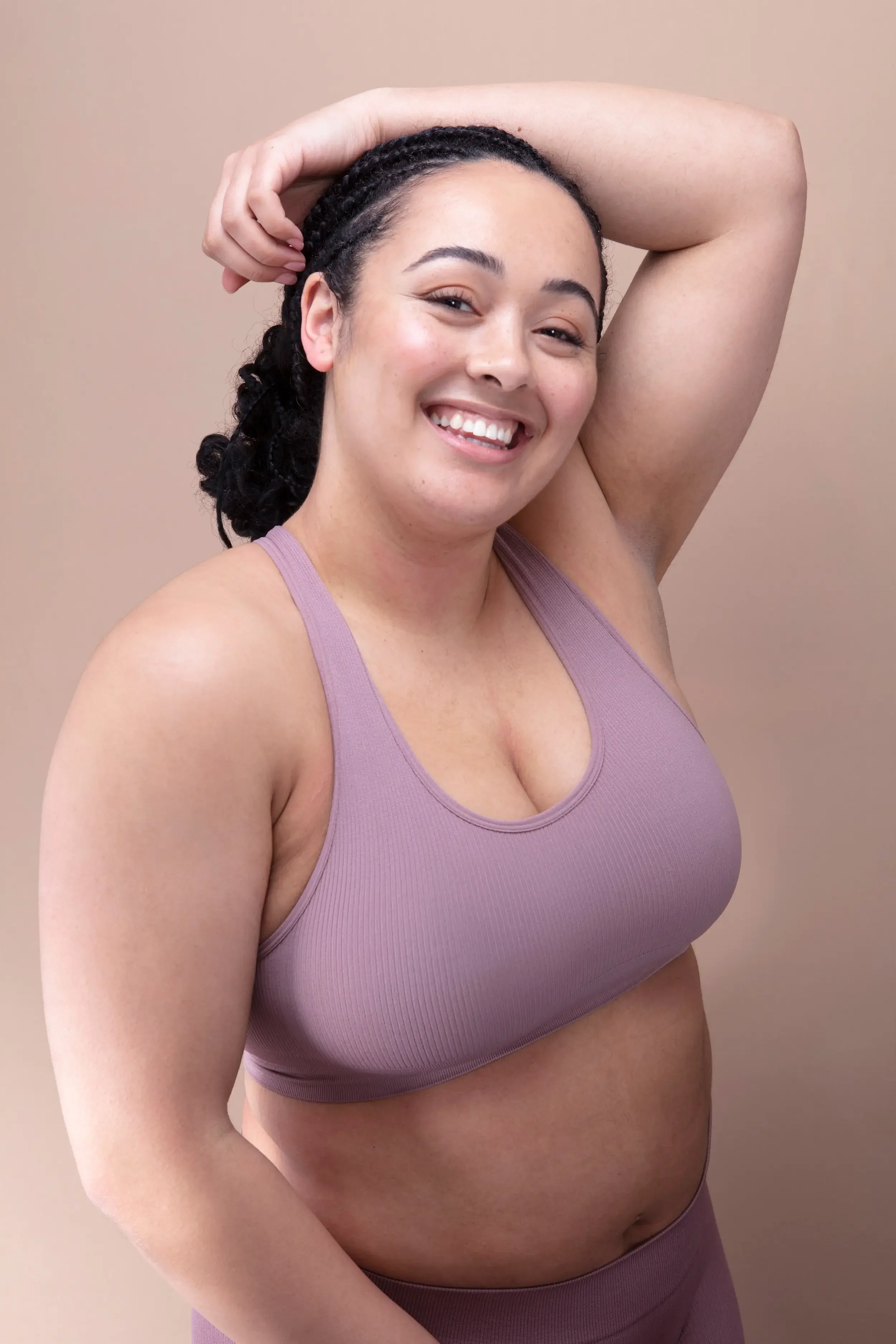
The Broader Impact of Body Confidence
As women develop a more compassionate relationship with their bodies, the benefits extend beyond intimacy. Confidence influences how women show up in their careers, relationships, and daily lives. Energy once spent on self-criticism becomes available for connection, creativity, and presence.
Body confidence is not about ignoring challenges. It is about recognizing that your body is the way you experience life. When you shift from monitoring your body to inhabiting it, you create space for pleasure, resilience, and joy.
A Supportive Path Forward
Reclaiming confidence and intimacy is not a linear process. There may be moments of progress and moments of frustration. Both are normal. What matters is having the right support.
Women benefit from care that looks at the whole picture: hormone balance, stress and energy, emotional well-being, and sexual health. When these elements are addressed together, intimacy becomes less about fixing a problem and more about restoring connection.
At Ms.Medicine, we believe women deserve care that honors the full complexity of their lives and bodies. If changes in confidence, desire, or comfort are affecting your quality of life, you are not alone, and you do not have to navigate it without support.
Talk with a Ms. Medicine provider about your concerns, goals, and what feeling well means to you. Thoughtful, individualized care can help you reconnect with your body and create an intimate life that feels supportive, grounded, and truly your own.


The anti-aging aisle promises to turn back the clock on a woman's face — but the bloodwork, the bone density, the muscle she's quietly losing often go years without a look. Dr. Kelli Peiffer makes the case for a different measure of aging well: strength, capacity, and clarity.