
Why Your Heart Deserves the Same Care You Give Everyone Else: A Guide to Women’s Heart Health

Last updated: February 6, 2026
You check on your aging parents weekly. You schedule your children’s doctor appointments months in advance. You remind your partner to take their medication and make sure everyone in your family eats their vegetables. But when was the last time you prioritized your own heart health with that same level of care and attention?
If you’re like most women, the answer might make you uncomfortable. Women’s heart health remains one of the most overlooked aspects of healthcare today, not because we don’t care, but because we’ve been conditioned to put everyone else’s needs before our own.
The Silent Crisis in Women’s Heart Health
Heart disease kills more women than all forms of cancer combined, yet 80% of cardiac events in women under 65 could be prevented through proper screening and lifestyle changes. Despite these facts, women are 50% more likely than men to receive an incorrect initial diagnosis when experiencing a heart attack.
Why does this happen? The medical community has historically studied heart disease through a male lens, missing the unique ways cardiovascular disease presents in women. Women’s symptoms often differ from the classic chest-crushing pain portrayed in movies. Instead, we experience fatigue, shortness of breath, nausea, and pain in the jaw, neck, or back. These “atypical” symptoms are frequently dismissed or misdiagnosed.
Taking charge of your women’s heart health starts with understanding your unique risk factors. Pregnancy complications, menopause, autoimmune conditions, and even depression can significantly impact your cardiovascular health in ways that don’t affect men. Yet traditional healthcare often overlooks these connections.
Why We Put Everyone Else First
As women, we’re natural caregivers. We nurture, protect, and prioritize the well-being of those we love. This instinct serves our families and communities well, but it often comes at the expense of our own health. We postpone our own medical appointments, ignore warning signs, and convince ourselves that everyone else’s needs are more urgent than our own.
This pattern isn’t just about time management or busy schedules. It’s rooted in how we’ve been taught to value ourselves. Society has long reinforced the message that good women sacrifice for others, that self-care is selfish, and that our worth is measured by how much we give rather than how well we care for ourselves.
But here’s the truth: neglecting your heart health doesn’t make you a better caregiver. It makes you more vulnerable. When you ignore preventive screening and skip regular check-ups, you’re not just risking your own well-being. You’re risking your ability to be there for the people who depend on you.
Reframing Self-Care as Self-Respect
True self-care means prioritizing your health with the same dedication you show others. It’s time to reframe prevention not as an indulgence, but as an act of self-respect and responsibility. Regular preventive screening can detect heart issues before they become life-threatening, giving you the power to take control of your health story.
Self-care isn’t selfish when it comes to protecting your heart. It’s strategic. When you invest in preventive care, you’re investing in your future ability to care for others. You’re modeling healthy behavior for your children. You’re ensuring that you’ll be present for the moments that matter most.
Effective self-care includes regular heart health monitoring and preventive measures. This means annual check-ups, blood pressure monitoring, cholesterol screening, and honest conversations with healthcare providers who understand women’s unique cardiovascular risks. It means advocating for yourself when symptoms are dismissed and seeking second opinions when something doesn’t feel right.

Understanding Heart Disease in Women
Heart disease in women often develops differently than in men, requiring specialized knowledge and attention. Women are more likely to develop disease in smaller arteries, a condition called microvascular disease that can be harder to detect with standard testing. Hormonal changes throughout a woman’s life, from menstruation to pregnancy to menopause, significantly impact cardiovascular health.
Pregnancy complications like preeclampsia, gestational diabetes, or preterm delivery can double or triple your lifetime risk of heart disease. Menopause brings its own challenges as declining estrogen levels affect blood vessel function and cholesterol levels. These aren’t just women’s health issues; they’re heart health issues that require ongoing monitoring and care.

Your Heart Deserves Expert Care
At Ms.Medicine, we understand that women’s heart health requires specialized attention and expertise. Our concierge primary care model prioritizes quality over quantity, offering unrestricted access to your physician and extended personalized appointments that give you time to discuss your concerns thoroughly.
Our providers are trained to recognize the unique ways heart disease presents in women. We don’t dismiss your symptoms or rush through appointments. Instead, we listen, investigate, and create personalized prevention plans that address your individual risk factors and health goals.
Preventive screening is not just medical care; it’s an act of self-respect. Our preventive screening approach focuses on your individual risk profile, taking into account your family history, lifestyle factors, hormonal changes, and personal health journey. We believe that prevention is the highest form of medicine, and we’re here to support you every step of the way.
Essential Women’s Health Screening Guidelines
Women’s health screening should include regular blood pressure checks, cholesterol panels, blood sugar testing, and electrocardiograms as recommended by your healthcare provider. The frequency of these tests depends on your age, risk factors, and family history, but the key is consistency and follow-through.
Beyond standard screenings, women need healthcare providers who understand the connection between reproductive health and cardiovascular health. This includes monitoring blood pressure during pregnancy, assessing cardiovascular risk after menopause, and understanding how conditions such as PCOS or endometriosis may affect heart health.
Taking the First Step
Your heart has been beating faithfully for you every moment of your life, pumping life-giving blood to every cell in your body. It has supported you through stress, celebration, heartbreak, and joy. Isn’t it time you returned that dedication?
The first step toward better heart health is recognizing that you deserve the same level of care you give to others. You deserve healthcare providers who listen, who understand women’s unique health needs, and who partner with you in prevention rather than just treating problems after they arise.
Your Heart, Your Priority
Ms.Medicine is here to support you in making your heart health a priority. We’ve created a free Heart Health Guide to help women understand their cardiovascular risk and take proactive steps toward better heart health. This resource includes information about women-specific symptoms, risk assessment tools, and practical steps you can take today to protect your heart.
Because at Ms.Medicine, we believe that taking care of your heart isn’t just healthcare; it’s self-respect. And you deserve nothing less than the best care possible.
Ready to prioritize your heart health? Download our free Heart Health Guide and take the first step toward giving your heart the care it deserves.
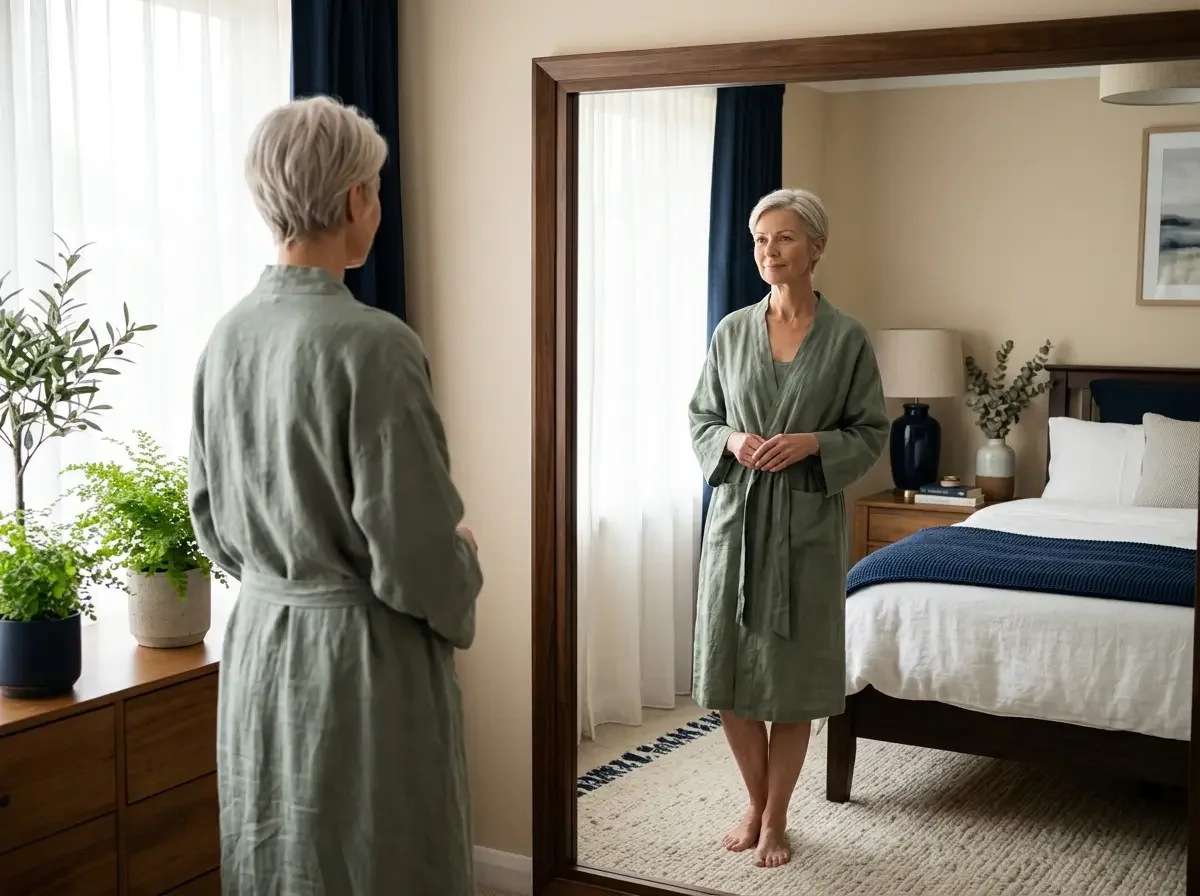


The anti-aging aisle promises to turn back the clock on a woman's face — but the bloodwork, the bone density, the muscle she's quietly losing often go years without a look. Dr. Kelli Peiffer makes the case for a different measure of aging well: strength, capacity, and clarity.