
Breaking the Bone Health Myth: It's Not Just About Calcium
Last updated: August 2026
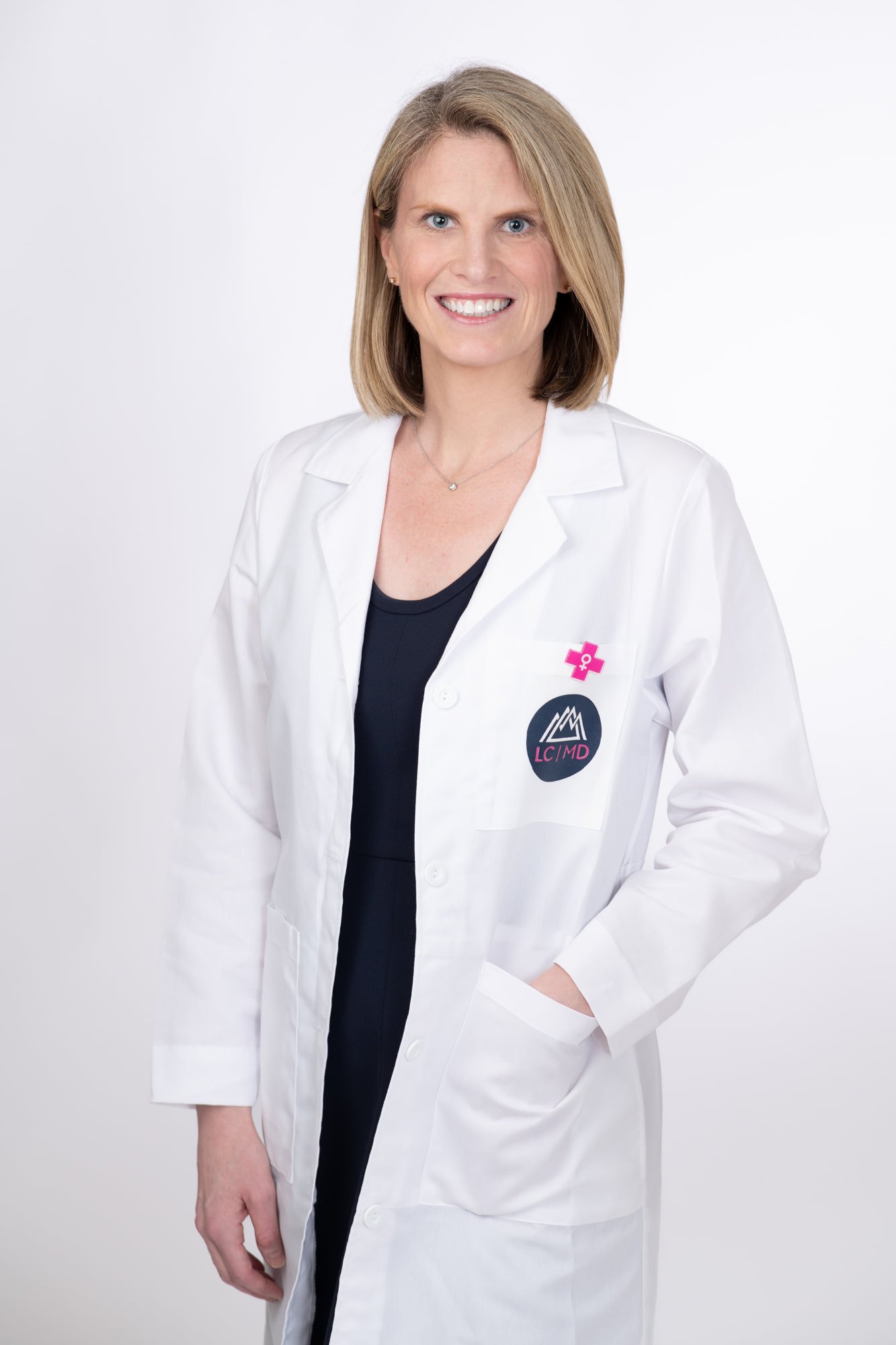
Medically reviewed byDr. Lindsey Cassidy, owner and founder ofLindsey Cassidy MD & Associates
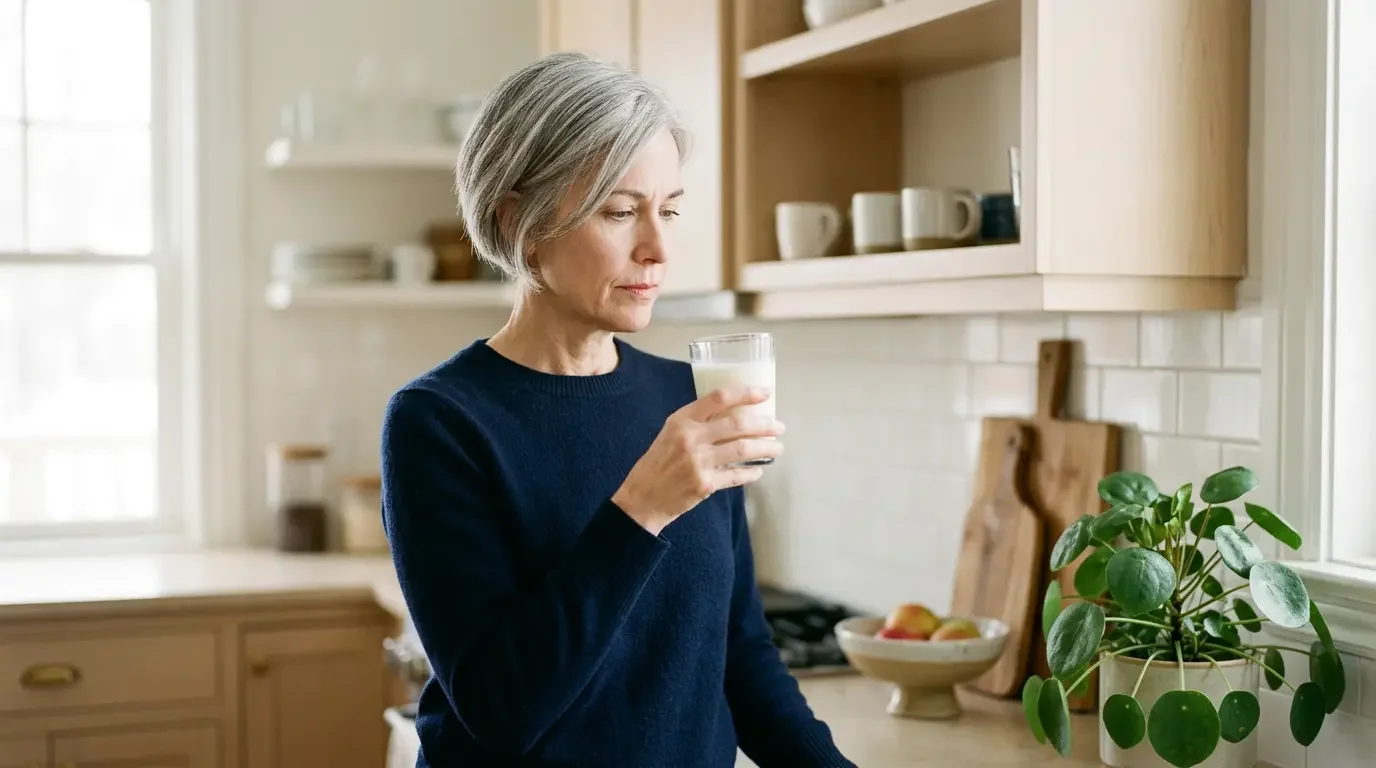
Ask most women what keeps their bones strong, and the answer comes back quickly: calcium. A glass of milk, a supplement on the nightstand, a yogurt at lunch. The message has been repeated so often that it has crowded out almost everything else. Calcium matters, but treating it as the entire story leaves women underprepared for the exact years when their bones change the most.
Bone is not inert scaffolding sitting quietly inside the body. It is living tissue that rebuilds itself continuously, dissolving old bone and laying down new bone in a cycle that never stops. Early in life, that cycle favors growth. Bone density peaks around age 30, and women with regular periods have estrogen levels that help maintain that density. After the peak, maintenance becomes the goal, and the factors that protect bone reach well beyond a single mineral.
Why calcium alone falls short
Think of calcium as raw building material. Material on its own accomplishes nothing without the systems that decide where it goes, how much gets absorbed, and how the surrounding muscle and hormones hold the structure together. A woman can hit her calcium target every single day and still lose bone if her vitamin D is low, her protein intake is thin, her estrogen has dropped, or her muscles have lost conditioning.
Bone strength rests on two things working in tandem: bone density and bone quality. Density is the amount of mineral packed into the bone. Quality is the architecture, the way the internal honeycomb holds its shape under load. A supplement can contribute to one input. It cannot, by itself, deliver the whole picture.
What bone strength actually depends on
Several inputs work together, and no single one substitutes for another.
Estrogen. This hormone is one of bone's strongest protectors. Estrogen helps inhibit the cells that break bone down, amongst other effects that can help to delay further bone loss, which is why bone loss accelerates when estrogen drops. Its decline is the central reason women face higher osteoporosis risk than men.
Vitamin D. Calcium cannot be absorbed efficiently without adequate vitamin D. Vitamin D, alongside protein and calcium, is part of the nutritional foundation that counteracts bone loss in postmenopausal women. Low levels quietly undermine even a calcium-rich diet.
Protein. Long misunderstood as a threat to bone, protein is in fact essential to it. Dietary protein supports bone formation and is as essential as calcium and vitamin D for bone health and osteoporosis prevention.
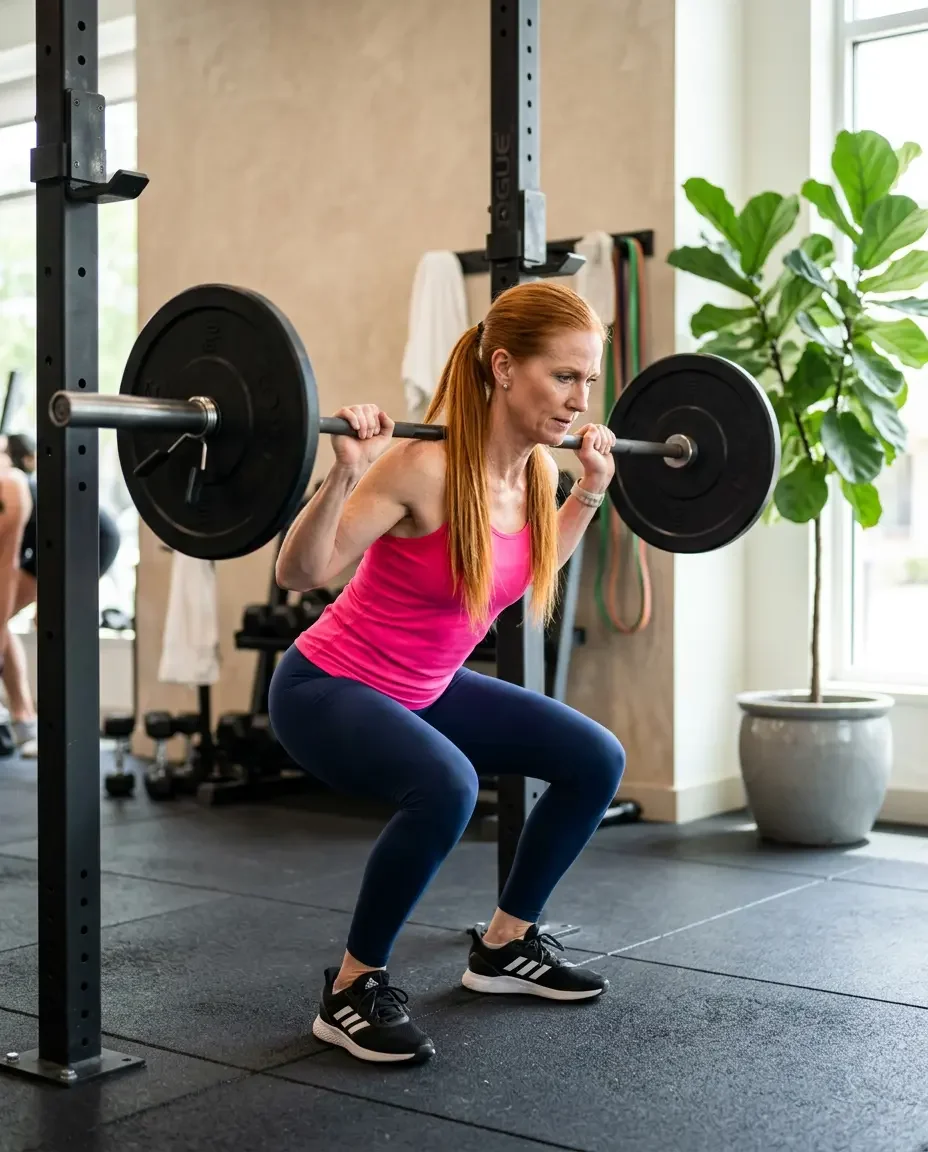
Weight-bearing and resistance exercise. Bone responds to load. When muscle pulls against it, bone receives the signal to rebuild. Resistance exercise paired with calcium and vitamin D is an effective strategy to slow bone loss and promote new bone formation.
Overall lifestyle. Diets rich in fruits and vegetables, along with limits on excess sodium, caffeine, and alcohol, all influence how well bone holds its mineral over time.
The menopause years change the math
For women, the most consequential shift arrives with menopause. As estrogen falls, the protective brake on bone breakdown loosens, and loss speeds up. The scale of that loss surprises many women. A woman can lose up to 20 percent of her bone density during the five to seven years following menopause. That window often passes with no warning signs at all, because osteoporosis frequently develops silently, and many women notice nothing until a fracture happens.
The downstream numbers tell the rest of the story. Roughly one in two women over age 50 will break a bone because of osteoporosis, about 80 percent of the estimated 10 million Americans with osteoporosis are women, and a woman's risk of breaking a hip is equal to her combined risk of breast, uterine, and ovarian cancer. Menopause bone loss is not a footnote to midlife health. It is one of its defining events.
Risk factors worth knowing
Beyond menopause, several factors raise risk. Some can be changed, and some cannot, but knowing where you stand is the first step toward acting early. The Bone Health and Osteoporosis Foundation identifies a range of contributors, including:
Being female and over 50, with added weight given to family history of osteoporosis and a small, thin frame.
Inadequate calcium and vitamin D, along with a diet low in fruits and vegetables.
An inactive lifestyle, which deprives bone of the mechanical loading it needs to stay strong.
Excess alcohol, plus high intake of sodium and caffeine.
Certain medications and medical conditions that interfere with how the body builds and maintains bone.
A woman might carry several of these without ever connecting them to her skeleton. That gap is exactly what makes proactive assessment so valuable.
The belief that does the most damage
The most harmful myth is not the one about calcium. It is the quiet assumption that bone loss is simply the cost of getting older and that nothing can change its course. That belief keeps women from acting during the years when action matters most. People once thought osteoporosis was an unavoidable part of aging, but far more is now known about how to prevent, detect, and treat it.
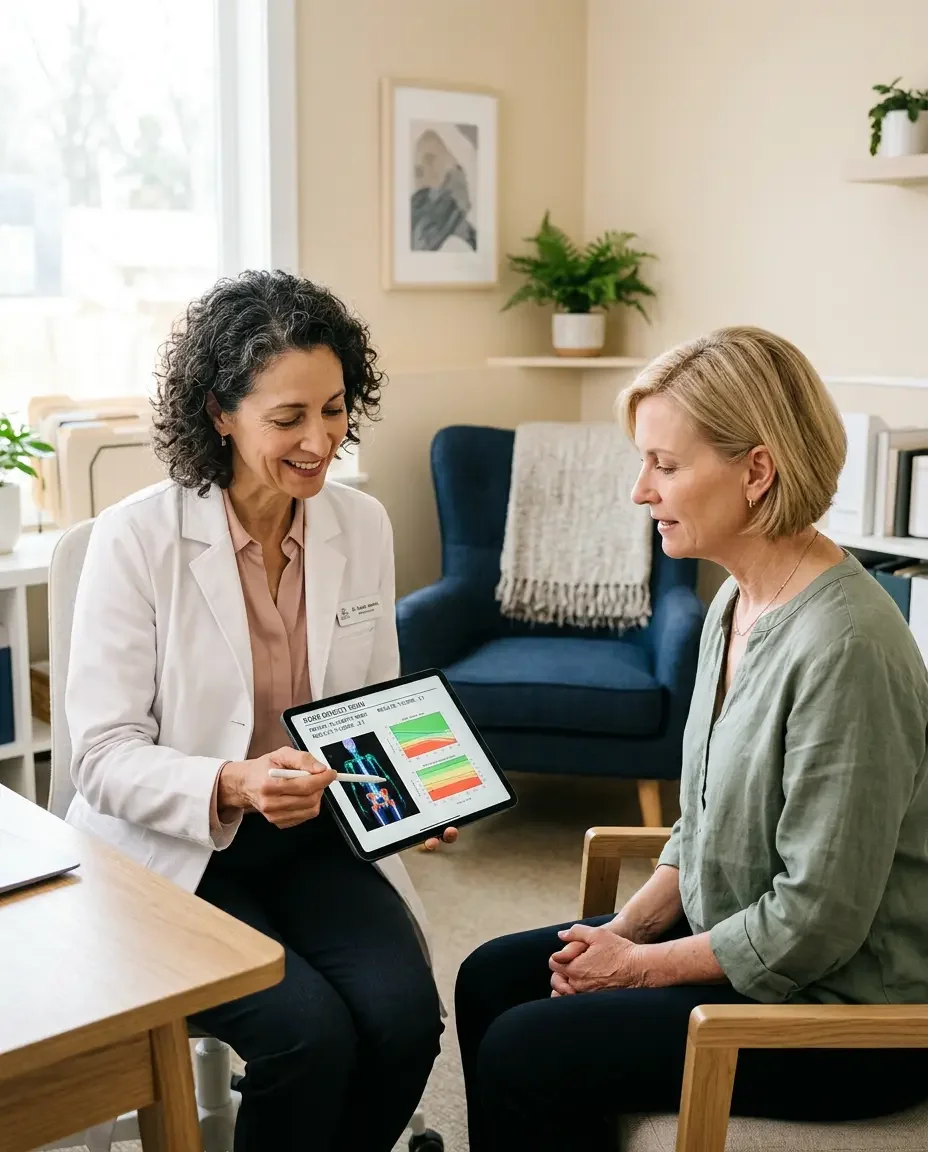
Because the disease is silent, waiting for a symptom means waiting for a break. A baseline bone density scan, known as a DXA, paired with an honest review of personal risk factors, can surface a problem years before it becomes a fracture. Prevention has a real timeline, and most of it runs through midlife.
This is the reasoning behind the Ms.Medicine Bone Health Assessment. It was designed to help women understand their individual risk rather than rely on generic advice, and to translate that understanding into a plan built around their own history, hormones, nutrition, and activity. Women who want to start can download the free bone health guide and schedule a bone health assessment at here, where the conversation moves from worry to specifics.

Turning awareness into a plan
Strong bones are built through a combination of inputs, sustained over years, and adjusted as the body changes. Calcium has a place in that plan. So do vitamin D, protein, resistance training, hormonal health, and regular screening that catches loss before it becomes a break. For women approaching or moving through menopause, the most useful step is rarely a new supplement. It is a clear, personalized read on where bone health stands today and what will protect it tomorrow. That clarity is available, and the earlier a woman seeks it, the more her future self stands to gain.
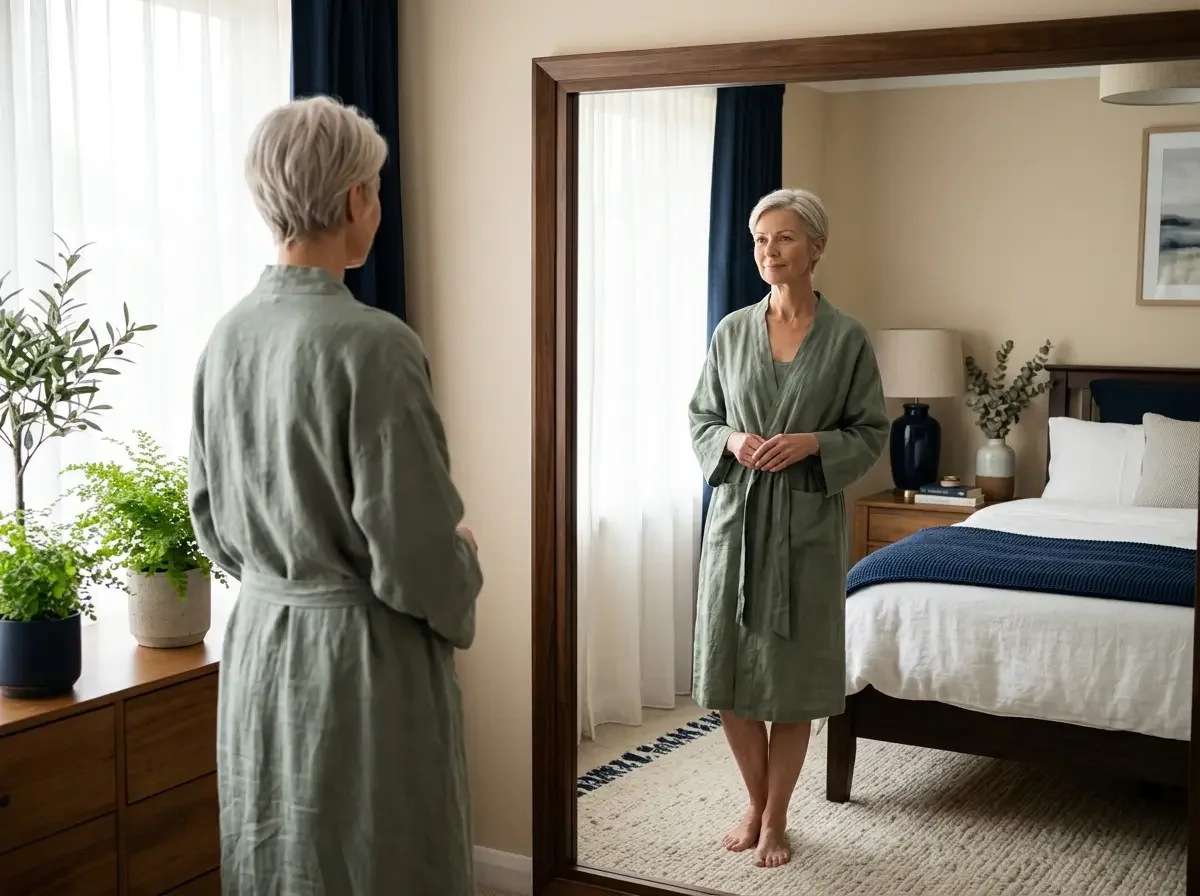

The anti-aging aisle promises to turn back the clock on a woman's face — but the bloodwork, the bone density, the muscle she's quietly losing often go years without a look. Dr. Kelli Peiffer makes the case for a different measure of aging well: strength, capacity, and clarity.