
Female Hair Loss in Midlife: What’s Normal and When to Ask for Help
Last updated: March 2026
Medically reviewed by Dr. Kelli Peiffer, owner and founder of West Side Concierge Medicine
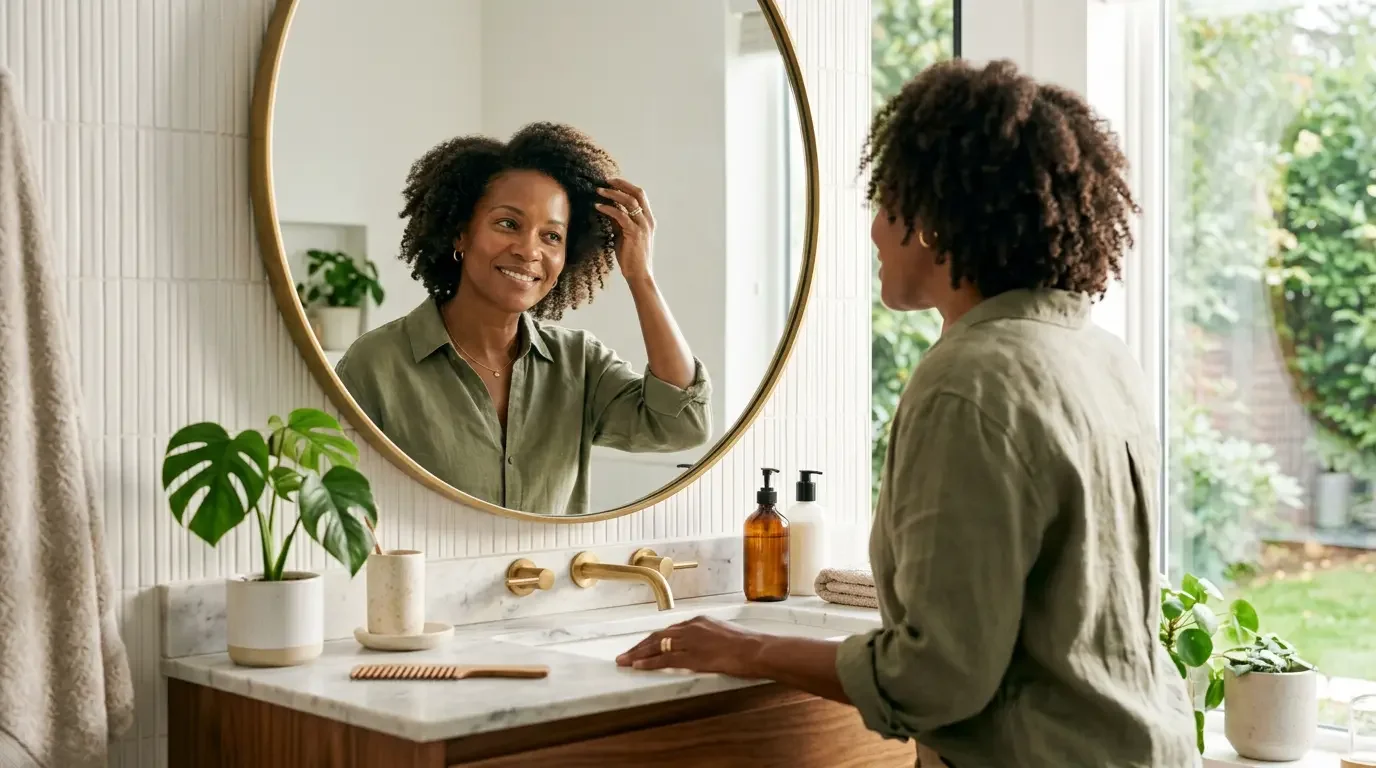
If you’ve noticed more hair in your brush lately or feel like your ponytail isn’t as thick as it used to be, you’re not alone. Female hair loss affects up to 40% of women by age 50, yet it remains one of the most misunderstood and stigmatized aspects of aging. At Ms.Medicine, we believe it’s time to change that conversation.
Understanding female hair loss starts with recognizing it’s a normal part of aging for many women, but that doesn’t mean you have to suffer in silence or accept misinformation as fact.
Understanding Menopause Hair Changes: What to Expect
Menopause hair changes occur due to declining estrogen levels, and they’re far more common than most women realize. As estrogen production decreases, your hair follicles become more sensitive to androgens (male hormones also found in women). This sensitivity can cause hair to become thinner, shorter, and more brittle.
The most common menopause hair changes include gradual thinning at the crown, a widening part line, and overall reduced hair density. Unlike male pattern baldness, women typically don’t experience complete bald spots but rather a diffuse thinning across the scalp. Recognizing early signs of menopause hair changes can help you take proactive steps to maintain your hair health and confidence.
Why Hair Thinning in Women Is More Common Than You Think
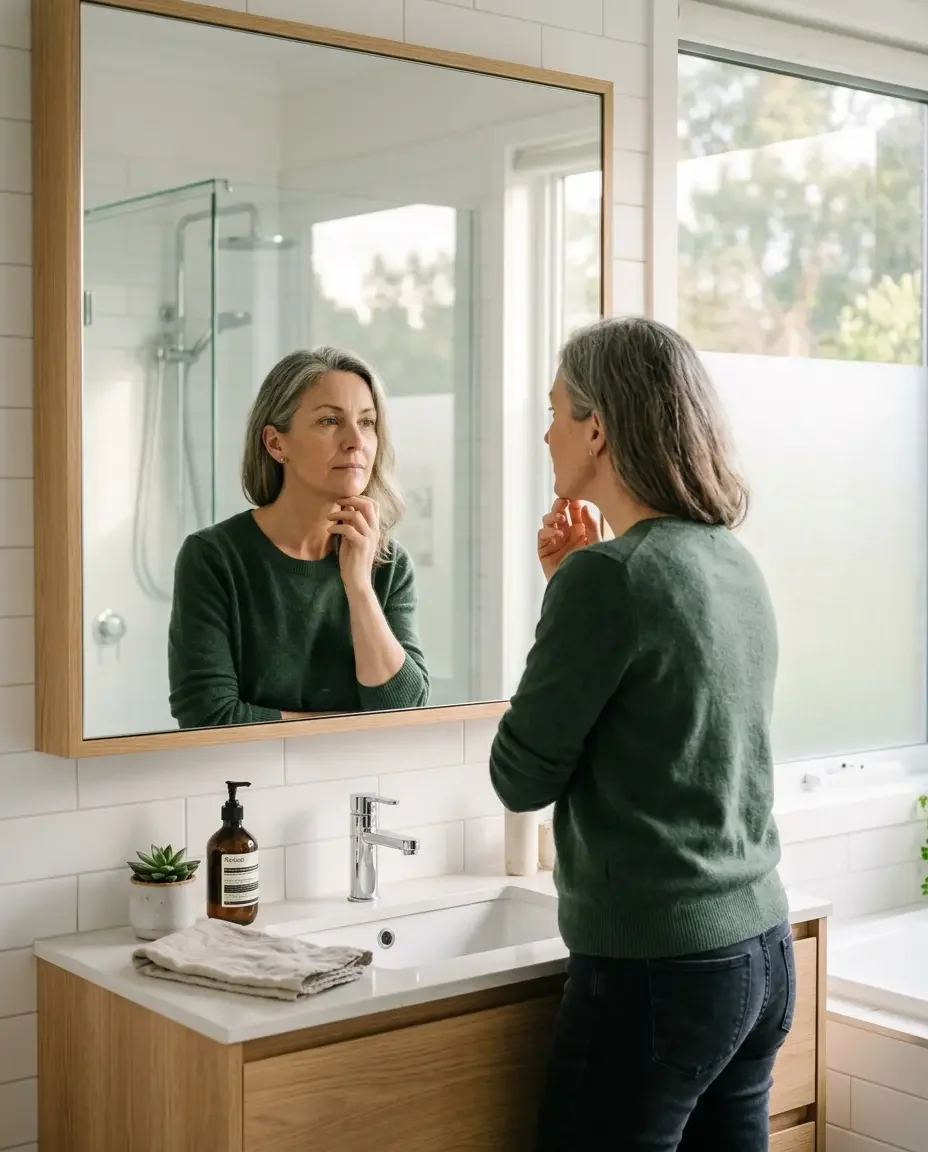
When women experience hair thinning, it is often gradual and may initially go unnoticed. Many women dismiss early signs as temporary stress-related hair loss or seasonal shedding. However, the reality is that hormonal shifts during perimenopause and menopause create the perfect storm for hair changes.
The emotional impact women face because of thinning hair shouldn’t be underestimated. Hair is deeply connected to a sense of identity and femininity. When it changes, it can trigger feelings of loss, aging anxiety, and decreased self-confidence. These feelings are valid and deserve attention, not dismissal.
Research shows that women experiencing hair loss often report decreased quality of life, social anxiety, and even depression. At Ms.Medicine, we understand that addressing hair thinning in women requires a holistic approach that considers both physical and emotional well-being.
The Science Behind Female Hair Loss
Beyond hormonal changes, several factors contribute to female hair loss in midlife. Thyroid disorders affect up to 20% of women over 60 and can significantly impact hair growth. Both hyperthyroidism and hypothyroidism can cause hair to become thin, brittle, or fall out entirely.
Nutritional deficiencies also play a crucial role. Iron deficiency, even without anemia, can cause hair loss. Low levels of vitamin D, biotin, and protein can also affect hair health. Many women in midlife don’t consume adequate protein or have absorption issues that impact nutrient availability.
Chronic stress, medications, and autoimmune conditions can also contribute to hair loss. The key is to identify the root cause rather than accept hair loss as an inevitable part of aging.
Hormonal Factors Behind Hair Health
Estrogen is your hair’s best friend. It prolongs the growth phase of hair follicles, keeping hair thick and healthy. As estrogen levels decline during menopause, hair follicles spend less time in the growth phase and more time in the resting phase.
Testosterone becomes more dominant as estrogen decreases. This can cause hair follicles to shrink, producing thinner, shorter hairs before eventually stopping production altogether.
Thyroid hormones also regulate hair growth cycles. When thyroid function is compromised, it can disrupt the normal hair growth pattern, leading to diffuse hair loss across the scalp.
Nutritional Deficiencies and Hair Health
Your hair is essentially a reflection of your overall health and nutritional status. Iron deficiency is one of the most common causes of hair loss in women, particularly those with heavy menstrual periods or poor iron absorption.
Protein deficiency can also affect hair health, since hair is primarily composed of keratin, a protein.
Vitamin D deficiency, increasingly common in midlife women, can affect hair follicle health. B vitamins, particularly biotin and B12, are essential for hair growth and strength.


When to Seek Professional Help
While some hair changes are normal during midlife, certain signs warrant professional evaluation. Seek help if you experience sudden, rapid hair loss, patchy bald spots, or hair loss accompanied by scalp irritation, redness, or scaling.
If your hair loss is affecting your quality of life, causing significant distress, or if you notice other symptoms like fatigue, weight changes, or mood changes, it’s time to consult a healthcare provider who specializes in women’s health.
Don’t wait until the problem becomes severe. Early intervention often leads to better outcomes and can prevent further hair loss.
How Ms.Medicine Addresses Hair Concerns
At Ms.Medicine, our approach to hair loss goes beyond surface-level treatments. Our Menopause Society Certified Practitioners understand the complex interplay between hormones, nutrition, and hair health. We don’t just treat symptoms; we identify and address root causes.
Our concierge care model allows for thorough evaluation, including detailed hormone panels, thyroid function tests, and nutritional assessments. We take the time to understand your complete health picture, not just your hair concerns.
With Ms.Medicine, you’re not just a patient – you’re a priority. We provide personalized treatment plans that may include hormone optimization, nutritional supplementation, lifestyle modifications, and evidence-based therapies tailored to your unique needs.
Reclaiming Your Confidence
Hair changes in midlife don’t have to define your experience of aging. Understanding what’s normal, when to seek help, and having access to knowledgeable healthcare providers can make all the difference in your journey.
Remember that seeking help for hair loss isn’t vanity – it’s self-care. Your concerns are valid, your feelings matter, and you deserve healthcare providers who take your symptoms seriously.
You can change the narrative of shame and silence around women’s hair loss. By speaking openly about these changes and seeking appropriate care, you’re not only helping yourself but paving the way for other women to do the same.
At Ms.Medicine, we’re committed to providing the specialized, compassionate care you deserve. Because when it comes to your health and well-being, you shouldn’t have to settle for anything less than exceptional.
Ready to Get Real Answers About Your Health?
Schedule your free Hormone Management Assessment with a Ms.Medicine provider.
We’ll evaluate your individual needs, including which supplements actually make sense
for your body and life stage, in a comprehensive, no-rush appointment.
Want to learn more right now?
Download our free guide to Hormone Health
A resource to help you understand what’s happening in your body,
what your options are, and how to have better conversations with your provider.

The anti-aging aisle promises to turn back the clock on a woman's face — but the bloodwork, the bone density, the muscle she's quietly losing often go years without a look. Dr. Kelli Peiffer makes the case for a different measure of aging well: strength, capacity, and clarity.