
Go Red for Women’s Heart Health in February

Last Updated: April 2026
One in four women in the U.S. will die from heart disease, the leading cause of death in women. This is an important statistic as for years, heart disease was considered a “man’s” issue; women needn’t worry. We now know this is not true, and women need to be educated and proactive in managing their risks and preventing heart disease.
Know your Risks
It starts with getting a complete picture of your health and understanding your family history. The American Heart Association recommends women schedule an annual wellness exam with their physician to review risk factors that can be managed, as well as those that have an impact on heart disease (such as age, gender, etc.) Your physician uses data based on your individual numbers across a variety of tests, such as blood pressure, total cholesterol, blood sugar, and Body Mass Index (BMI) score, to determine your risk of developing heart disease. Additionally, your physician can work with you to manage your risks, either through lifestyle modifications or medication. We also know that the risk of heart disease increases with age and family history – factors your physician will consider during your wellness exam.
What You Can Do
There are steps you can take to prevent heart disease. Like many other diseases, our lifestyle can have a significant impact on our future health.
1. Stop smoking. Smokers face a 2 to 4-times greater risk of developing heart disease or having a stroke. If you are a smoker, the number one thing that you can do to improve your health immediately is to stop. Your doctor can help.
2. Get moving. A sedentary lifestyle leads to obesity, diabetes, and depression. Exercise helps us lose weight or maintain a healthy weight, strengthens our hearts and lungs, improves cholesterol and blood pressure, and decreases our chances of diseases, including cancer and heart disease. Make time for daily activities and build exercise into your routine.
3. Follow a healthy diet. A heart-healthy diet includes a balance of high-fiber foods such as fruits and vegetables, legumes, whole grains, and nuts, plus “healthy” fats, like those found in certain fish and avocados. A heart-healthy diet also means limiting foods high in saturated fat and cholesterol, such as red meat. Finally, enjoy alcohol in moderation (one glass per day for women, two for men)
Work with your physician to better understand your risk of developing heart disease and how to manage it. For more information, check out goredforwomen.org.

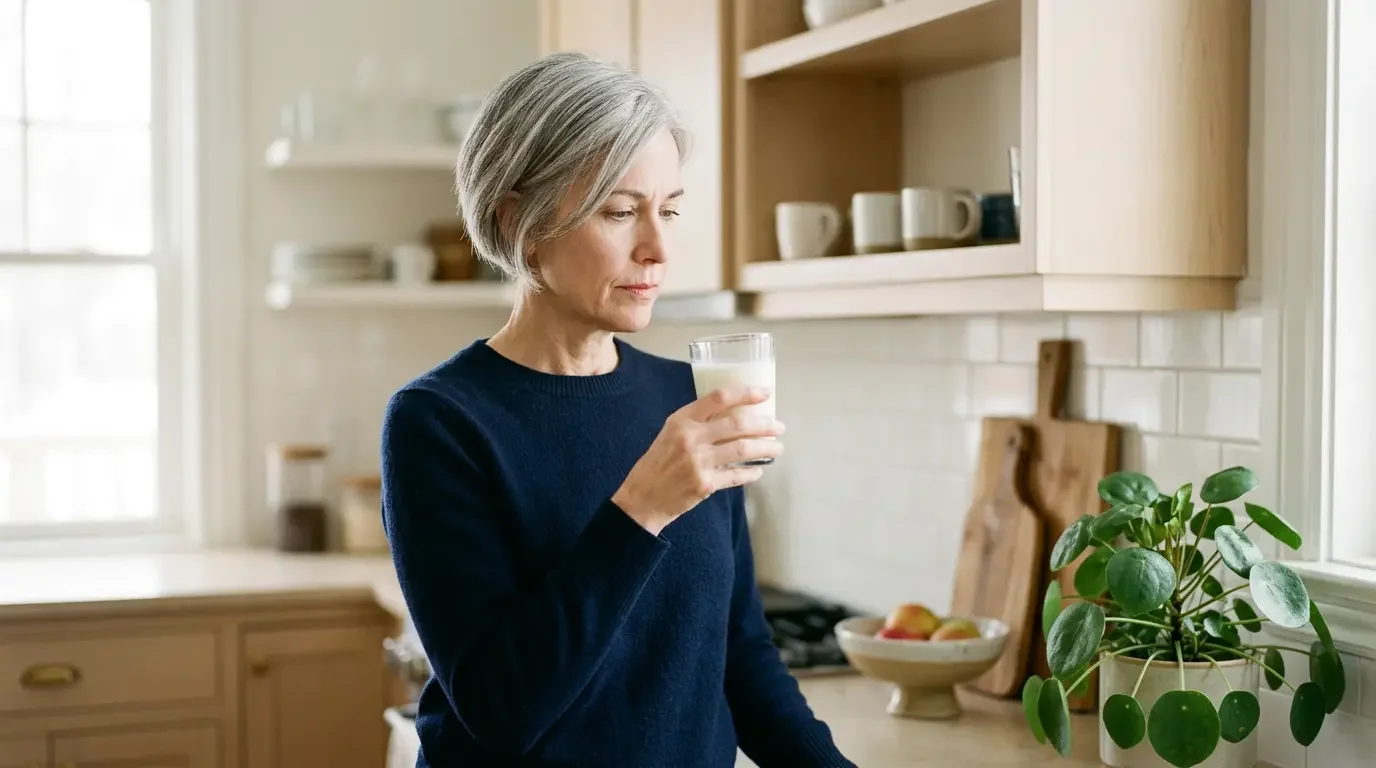

You're eating the way you've always eaten, staying just as active — and the scale keeps creeping up anyway. Dr. Jana Baatenburg explains why that's not a personal failure, what's actually changing in a woman's body composition at midlife, and why the goal should shift from smaller to stronger.