
READ THE LATEST
Ms.Medicine Blog
The Ms.Medicine blog is your trusted source for comprehensive women's health information. We’ll cover a wide range of topics including general health, wellness, lifestyle, nutrition, and women's specific health concerns. With evidence-based articles and practical advice, we aim to empower women to make informed decisions about their health and well-being at every stage of life.





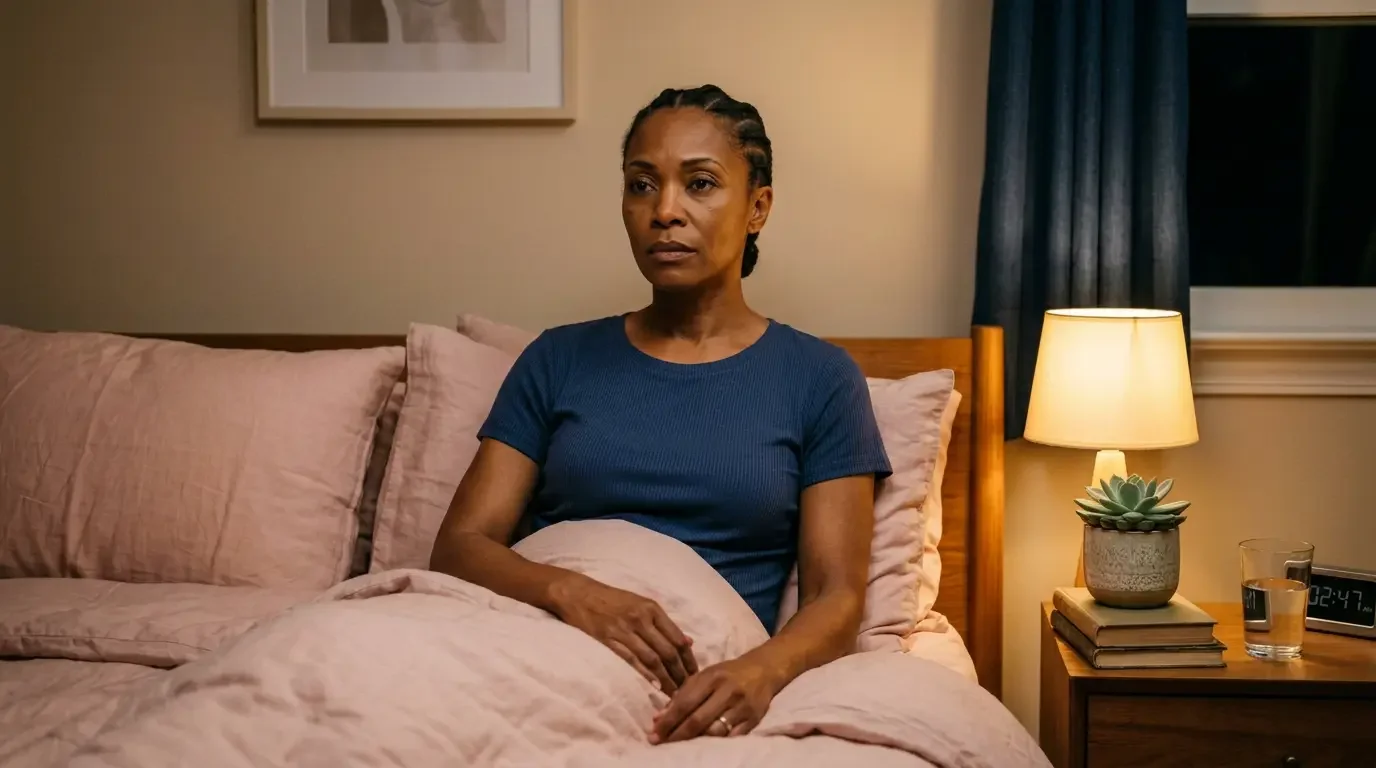
Why Sleep Changes in Midlife (And What to Actually Do About It)
She started waking at 2 a.m. for no clear reason — lying there for an hour while her body temperature swung and her thoughts circled. Dr. Sameena Rahman breaks down why midlife sleep disruption isn't a stress problem, and why "it's probably stress" isn't a real answer.

PCOS Has a New Name: Here's What That Means for Your Care.
For years, women with PCOS navigated a diagnosis that didn't quite add up. The name pointed to the ovaries. The symptoms pointed everywhere else. On May 12, 2026, a global consortium published a landmark paper in The Lancet formally renaming the condition polyendocrine metabolic ovarian syndrome — PMOS. If your care has never quite addressed what you were actually experiencing, the science now agrees with you.

What Alcohol Actually Does to a Woman's Body (And Why the Science Has Changed)
Most women absorbed the "moderate drinking is fine" message somewhere along the way. The research has moved considerably since then — and it hasn't moved in a reassuring direction. Women metabolize alcohol differently, the liver risk accumulates at lower thresholds than most patients have been told, and the breast cancer signal is consistent and starts at low consumption levels. Here's what the science actually shows.

What the PCOS Rename Means for Primary Care
On May 12, 2026, a paper published in The Lancet formally renamed polycystic ovary syndrome. The condition affecting one in eight women worldwide is now polyendocrine metabolic ovarian syndrome — PMOS. The name change followed 14 years of global collaboration and consensus across 56 organizations. What it reflects clinically, and what it demands from primary care, is worth understanding.

Heart Attacks & Women: Know Your Risk, Know the Signs
While men are twice as likely to have a heart attack, heart disease is still the leading cause of death among women. Women are also more likely to experience the subtler symptoms — the ones that don't look like a heart attack until it's too late to act quickly.

Signs of Stroke in Women
One in five women will have a stroke in her lifetime. Women are also more likely to experience the less obvious symptoms — the ones that don't show up on the FAST checklist — which means strokes go unrecognized and untreated more often than they should.

Be Empowered to Get the Best Care at Midlife and Beyond
Menopause, breast health, sexual health, bone health, cardiovascular risk — five topics every woman approaching midlife should be discussing with her doctor. We know starting the conversation isn't always easy. Here's what to say.

Go Red for Women’s Heart Health in February
One in four women in the U.S. will die from heart disease. For years it was considered a man's issue — women didn't need to worry. We now know that's wrong, and the steps women can take to understand and manage their risk are practical, evidence-based, and worth knowing.
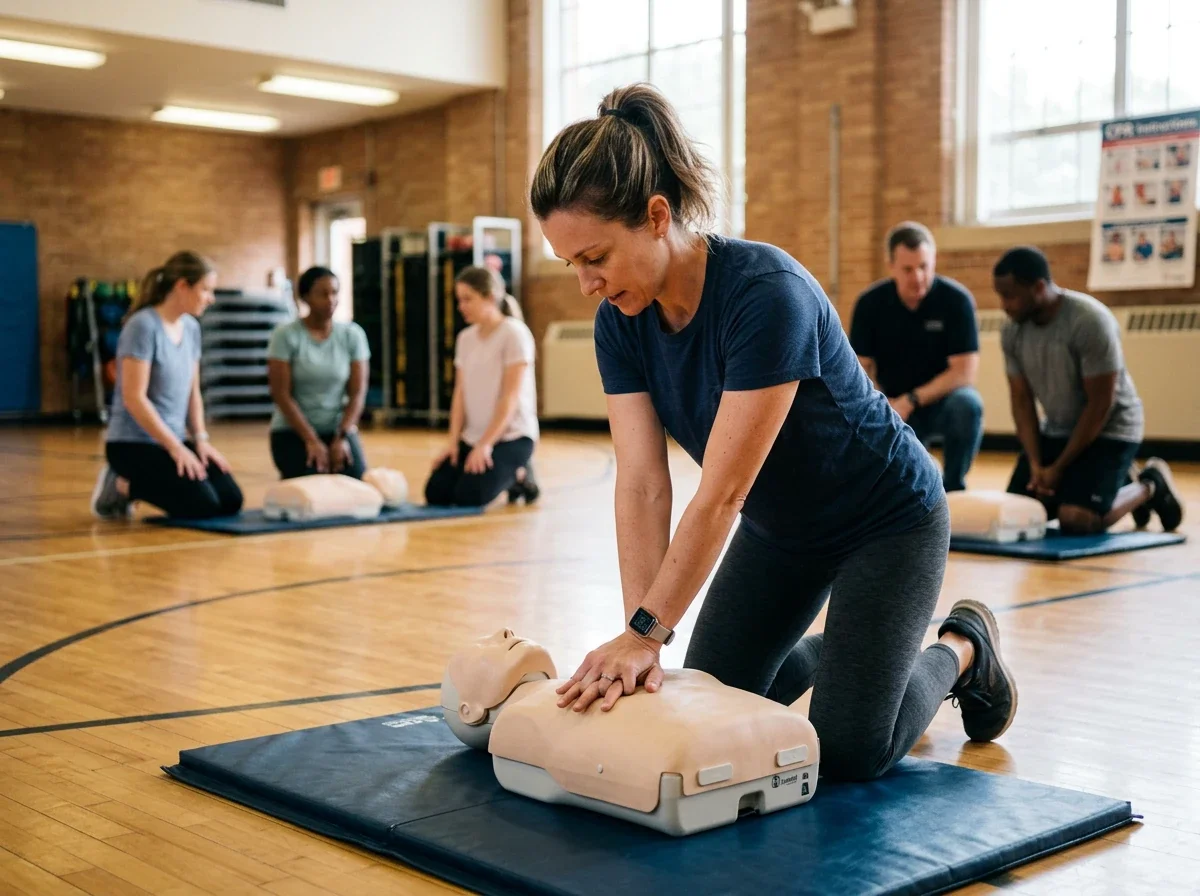
Top 3 Benefits Of Learning CPR
Knowing CPR is one of the most practical things you can do for the people around you. It takes a few hours to learn, and it can make the difference between life and death in the minutes before emergency services arrive. Here's why getting certified is worth it.