
Last Updated: June 2026
Medically reviewed by Dr. Kelli Peiffer, owner and founder of West Side Concierge Medicine
June is Pride Month, and for those of us working in women's health, it's worth pausing to ask an honest question: who actually feels safe walking into your practice?
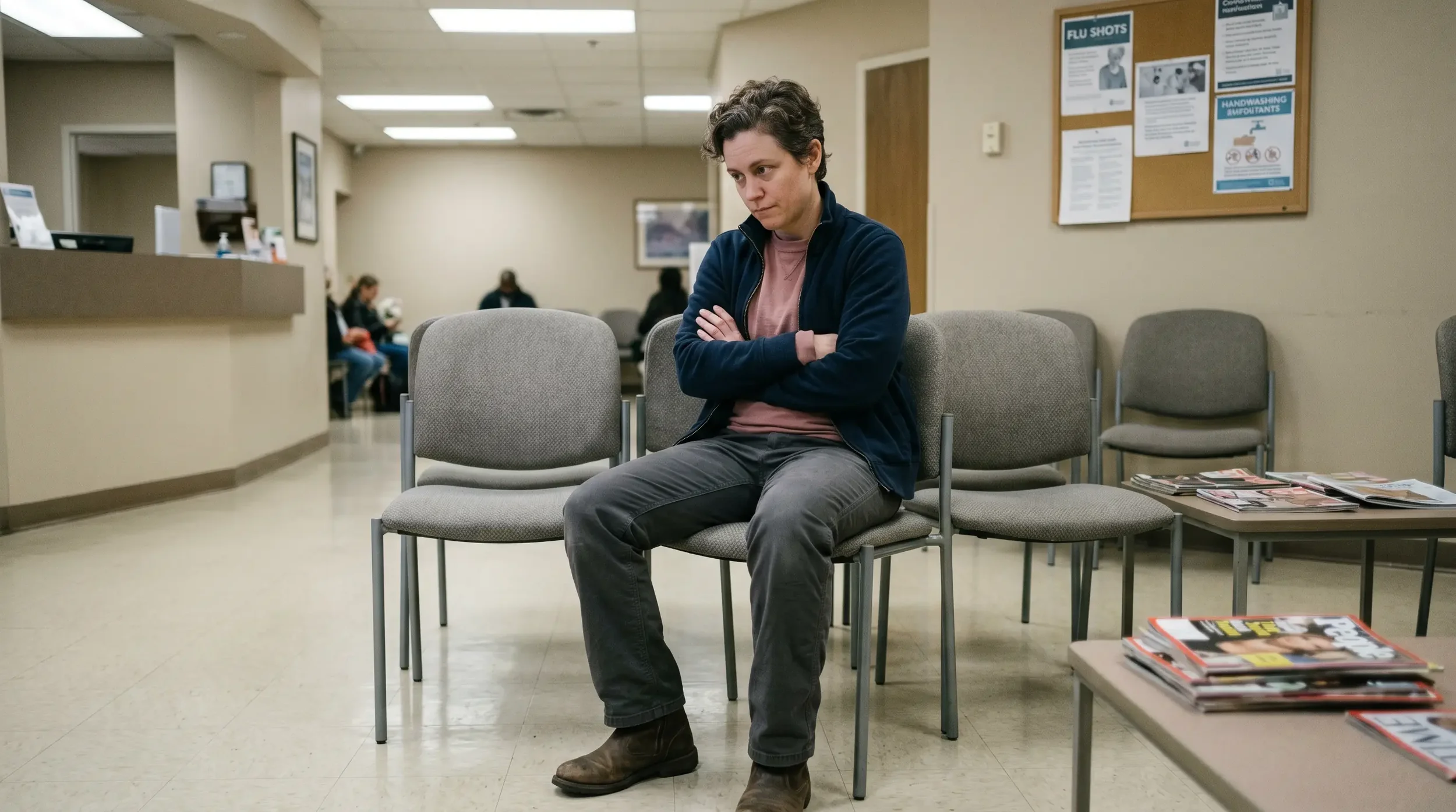
That's not a rhetorical question. It has a real, measurable answer, and the data makes it difficult to look away. A significant share of LGBTQ+ adults have delayed or avoided necessary medical care because of past experiences with disrespect or discrimination in healthcare settings. For transgender and nonbinary individuals, that number climbs higher still. These aren't fringe cases. These are patients who needed care, made the calculation that seeking it was too risky, and stayed away.
This is the healthcare equity problem that Pride Month keeps in front of us, whether we work in a concierge practice in a major metro or a smaller community just finding its footing in women's health. The gaps are not abstract.
Why LGBTQ+ Health Is Women's Health
Ms.Medicine was built on the premise that the standard of care for women has been chronically underfunded, underresearched, and under-delivered. That premise doesn't change depending on who the woman is. Lesbian and bisexual women face elevated rates of certain cancers, in part because of lower rates of routine screening. Transgender women who were assigned male at birth have specific cardiovascular and hormonal health needs that most general practitioners are not equipped to address. Nonbinary patients navigating hormone therapy or gender-affirming procedures are often doing so without a primary care provider who knows their history.
The through-line here is familiar: women whose health needs do not fit a narrow template get left out. What Ms.Medicine does for women experiencing menopause symptoms who've been dismissed, or for women whose autoimmune conditions went undiagnosed for years, it must also do for women whose identities fall outside the assumptions that still shape too many clinical encounters.
Inclusive care is not a specialty. It is the baseline.

What Actually Makes a Practice Inclusive
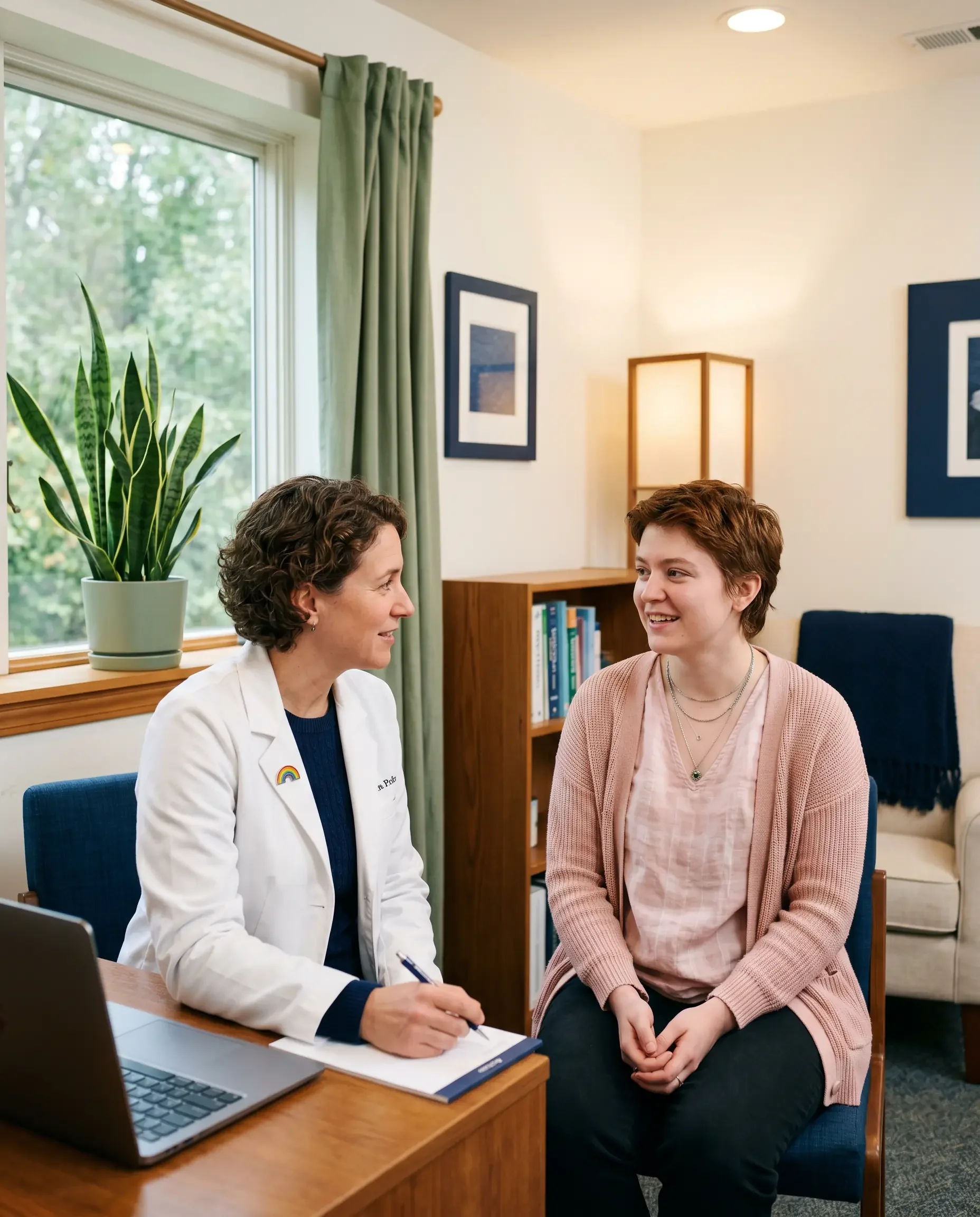
Inclusive care shows up in small, specific ways before a patient ever sits down with a physician. Intake forms that ask about gender identity and sexual orientation, without making those questions feel like a liability or an afterthought, signal to patients that the practice has thought about them. Staff who use the name and pronouns a patient has provided, without requiring the patient to correct them repeatedly, do the same.
Visual cues carry real weight. Whether a waiting room includes materials that reflect the diversity of the patient population matters. A nondiscrimination statement posted where patients can see it is not just a legal formality; it is information that some patients are actively looking for before they decide whether to be honest with their doctor.
Clinical care itself has to follow. Screening protocols that account for diverse sexual practices, referrals that account for the specific mental health burdens that come with chronic minority stress, and providers who do not require a patient to educate them on their own identity are all part of what inclusive care looks like in practice. None of this is separate from clinical excellence. It is clinical excellence, because it is what accurate history-taking and appropriate care coordination actually require.
Dr. Kelli Peiffer, a Ms.Medicine provider and Menopause Society Certified Practitioner, puts it directly: "Inclusive care isn't an add-on to good medicine. It is good medicine. When patients feel safe to share their complete health picture, including their relationships, their identities, and their concerns, we can provide more effective and personalized care. When they don't feel safe, we're working with incomplete information, and that has clinical consequences."
The Chronic Stress Factor
There is a clinical dimension to discrimination that deserves more attention in women's health specifically. Chronic exposure to minority stress, the cumulative weight of navigating bias, concealment, and hostility in daily life, has measurable effects on the body. Elevated cortisol, disrupted sleep, heightened anxiety and depression risk, and accelerated cardiovascular aging have all been documented in LGBTQ+ populations. These are the same systems that women's health providers are already tracking carefully in the context of perimenopause, autoimmune disease, and chronic pain conditions.
A patient who has spent years managing minority stress alongside the normal hormonal and physiological changes of midlife or beyond is not the same patient as one who has not. Clinicians who understand that distinction can ask better questions, order more appropriate workups, and make connections that a provider working from a narrower template might miss entirely.

The Standard We Hold Ourselves To
Ms.Medicine's concierge model exists, in part, because the volume-driven standard of care does not give physicians enough time to know their patients well. Extended appointments, continuity of care, and unrestricted access to your provider are structural commitments to doing medicine differently. Those commitments mean something only if the culture inside the practice matches the structure.
Pride Month is one prompt among many to look honestly at who feels welcome and who does not, who gets the full benefit of the model and who encounters friction before they ever reach the clinical relationship. The practices in the Ms.Medicine network are built on the belief that every patient deserves care that accounts for their whole life. That commitment does not have an asterisk.


A woman wakes drenched at 2 a.m., days after surgery or weeks into treatment, and nothing about it matches the gradual menopause her friends describe. That's because treatment-induced menopause isn't a milder version of aging — it's its own biological event, and it deserves its own kind of care.