
Sexual Wellness Supplements: What Works and What's Just Hype
Last Updated: June 2026
Medically reviewed by Dr. Kelli Peiffer, owner and founder of West Side Concierge Medicine
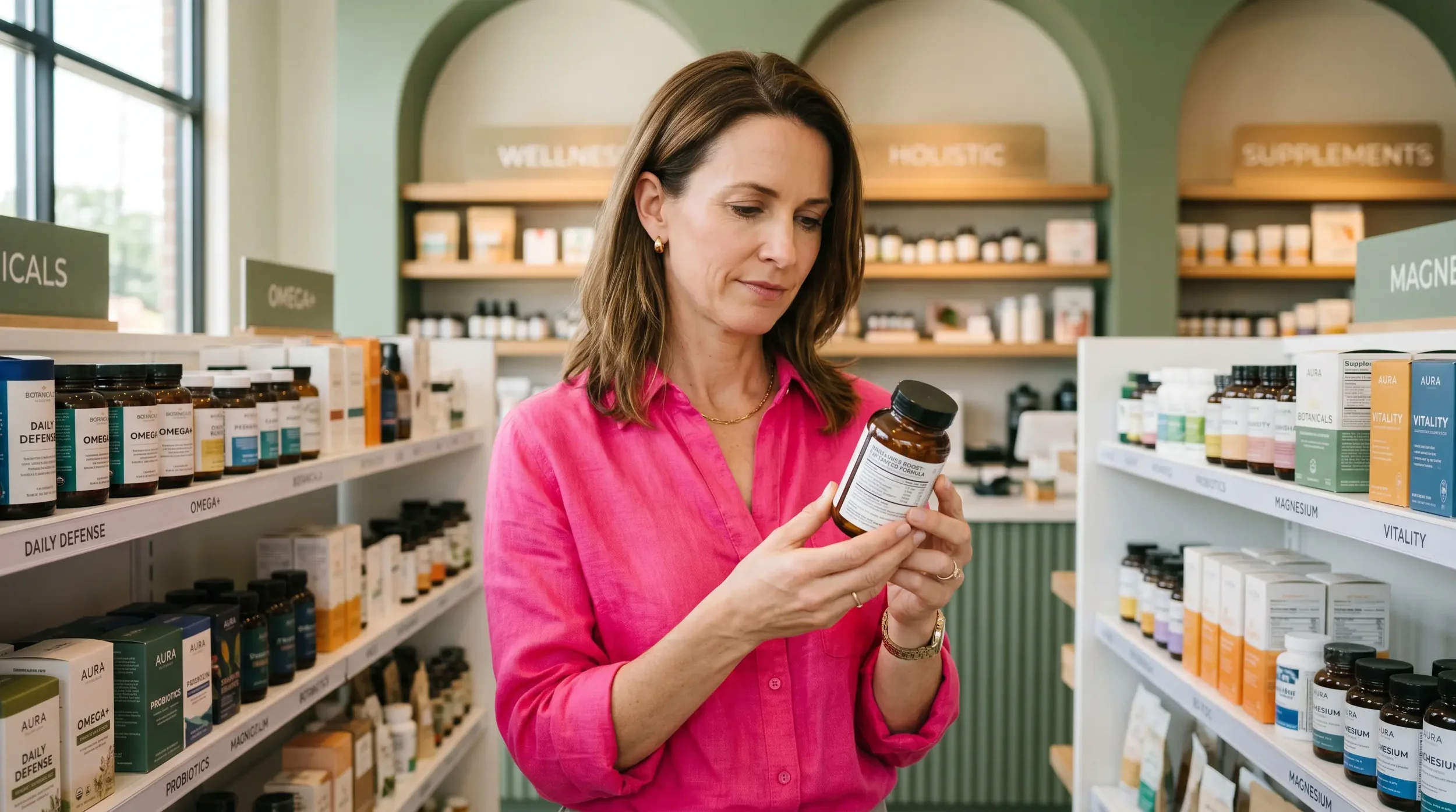
Walk into any pharmacy, scroll through Instagram, or browse a wellness retailer and you will find a wall of products promising to restore your desire, improve your arousal, or "reignite your spark." The marketing is confident. The packaging is sleek. The claims are almost never backed by anything resembling rigorous science.
Women's sexual wellness is a real and underserved area of medicine. Low libido, difficulty with arousal, pain during sex, and reduced satisfaction are common complaints that deserve clinical attention. What they do not deserve is a $60 bottle of maca root and a vague promise. Understanding what the evidence actually says about over-the-counter sexual wellness supplements can save you money, protect your health, and point you toward interventions that genuinely help.
Why Women's Sexual Health Gets Left to the Supplement Industry
Part of the reason the supplement market has so much real estate here is that conventional medicine has historically done a poor job addressing female sexual dysfunction. Appointments are short. Topics feel awkward to raise. Many physicians were never trained to ask. And until relatively recently, the research landscape itself was sparse.
That vacuum created an opening, and the supplement industry walked right through it. By 2025, the global female sexual dysfunction market was valued in the millions, with a significant portion driven by non-prescription wellness products. When women feel dismissed by their doctors and are simultaneously bombarded with wellness content promising easy answers, the appeal of an over-the-counter solution is understandable.
But appealing is not the same as effective.
What the Evidence Shows About Common Libido Supplements
Most over-the-counter sexual wellness supplements fall into a few familiar categories. Here is what the research actually says about the most common ones.
Maca root is probably the most widely marketed plant-based libido supplement for women. A handful of small studies suggest it may have a modest positive effect on sexual dysfunction, particularly in postmenopausal women and in women experiencing antidepressant-related sexual side effects. However, the studies are small, the effects are inconsistent, and most researchers note that the evidence is insufficient to make firm recommendations. It is unlikely to cause harm at standard doses, but the confidence in its efficacy does not match the marketing.
Ashwagandha has better stress and cortisol data than most adaptogens, and since stress is one of the most reliable suppressors of sexual desire, the logic of its inclusion in libido products is at least coherent. There is some emerging evidence that it may improve sexual function in women, including arousal and satisfaction, though again, the studies are limited in size and duration. It is not a direct libido booster; it is a stress-modulating herb that might create conditions more favorable to desire. Also, while typically well-tolerated for short-term use, ashwagandha has been linked to rare but severe drug-induced liver injury, ranging from mild inflammation to acute liver failure.
Horny goat weed (epimedium) contains a compound called icariin, which has demonstrated some PDE5 inhibitory activity in lab settings, the same mechanism by which Viagra works. However, human trial data, particularly in women, is essentially nonexistent. The leap from a lab mechanism to a clinically meaningful effect in a woman's body has not been established.
DHEA supplements occupy a slightly different category because DHEA is actually a hormone precursor made by the adrenal glands. Intravaginal DHEA (prasterone) is an FDA-approved prescription treatment for moderate to severe dyspareunia (painful intercourse) in women. Oral DHEA supplements sold over the counter are a different matter. They bypass normal hormonal regulation, convert unpredictably into androgens and estrogens, and carry real risks for women with hormone-sensitive conditions. This is one area where the casual wellness framing is genuinely misleading: DHEA is not a benign supplement. It is a hormone, and it should be treated as one.
Ginkgo biloba has been studied for antidepressant-induced sexual dysfunction with mixed results. Some small older studies suggested benefit; more rigorous subsequent research has not consistently replicated those findings. The signal is weak.
Tribulus terrestris is frequently included in libido products marketed to both men and women. The human data in women is minimal. One small study showed improvement in sexual function scores in premenopausal women with low desire; the effect sizes were modest and the study has not been widely replicated.

What "Natural" Does Not Mean
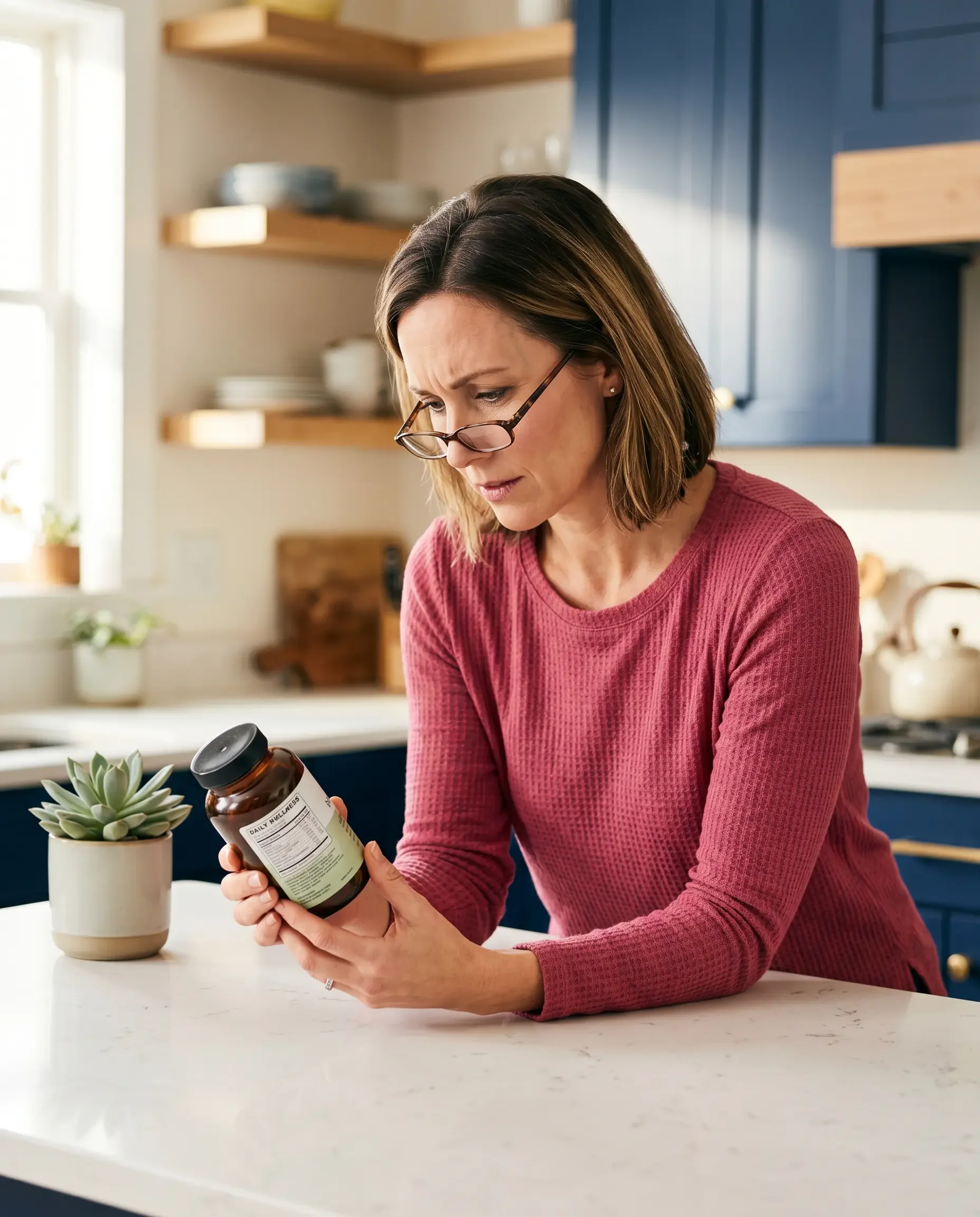
A significant source of consumer confusion is the conflation of "natural" with "safe" and "natural" with "effective." These are three separate claims, and none of them follows automatically from the others.
Many potent pharmaceutical compounds are derived from natural sources. Many natural compounds interact with medications in clinically significant ways. St. John's Wort, for example, is a common ingredient in mood-focused wellness supplements and is also one of the most significant inducers of the CYP3A4 enzyme, meaning it can substantially reduce the effectiveness of oral contraceptives, anticoagulants, antiretrovirals, and other medications. Women who are on hormonal birth control or other critical medications need to know this before they add a supplement stack to their routine.
Supplement manufacturing is also lightly regulated in the United States. The FDA does not evaluate supplements for efficacy before they reach the market, and quality control varies widely across manufacturers. Third-party testing certifications (NSF International, USP, ConsumerLab) provide some assurance, but they confirm ingredient accuracy, not clinical effectiveness.
The Questions Worth Actually Asking
If you are experiencing low libido, difficulty with arousal, pain during sex, or diminished satisfaction, these are symptoms worth investigating rather than suppressing with a supplement. Hormonal shifts, particularly the estrogen decline of perimenopause and menopause, are among the most common and most treatable drivers of sexual health changes in women. Genitourinary syndrome of menopause (GSM), which causes vaginal dryness, tissue changes, and discomfort during sex, affects a large proportion of postmenopausal women and responds well to local estrogen therapy or intravaginal DHEA, both of which are FDA-approved and evidence-backed.
Testosterone plays a meaningful role in female libido, and low testosterone is an underdiagnosed contributor to hypoactive sexual desire disorder (HSDD). There is no FDA-approved testosterone product currently indicated for women in the United States, but off-label prescribing of low-dose testosterone is used clinically and has a meaningful evidence base. Flibanserin (Addyi) and bremelanotide (Vyleesi) are the two FDA-approved pharmaceutical options for HSDD in premenopausal women, and neither is a supplement.
Relationship factors, sleep quality, anxiety, depression, trauma history, body image, and medications (antidepressants, hormonal contraceptives, blood pressure medications) are all documented contributors to sexual health concerns in women. No supplement addresses any of these.
What Actually Moves the Needle
The interventions with the strongest evidence base for women's sexual wellness are not available at a supplement retailer. Hormonal evaluation and management, pelvic floor physical therapy for pain-related concerns, and sex therapy or psychotherapy for desire and arousal issues are the categories that have real data behind them. A menopause-certified clinician or a physician trained in women's sexual health can conduct a thorough evaluation, identify what is actually driving symptoms, and build a plan from there.
That does not mean every supplement is useless. Low-risk options like maca root are unlikely to cause harm for most women, and if a patient finds them helpful, that matters. But "unlikely to cause harm" and "backed by meaningful evidence" are not the same standard, and the marketing for these products routinely presents the latter when it has only established the former.
Getting a Real Answer
The sexual wellness supplement market is largely selling confidence in the absence of evidence, and women who have been underserved by conventional medicine are a natural target. The appropriate response is not to dismiss every patient interest in these products, but to meet it with clinical honesty and offer what actually works.
If you are noticing changes in your desire, arousal, lubrication, or sexual satisfaction, those changes are worth discussing with a provider who takes women's health seriously. A thorough hormone panel, a conversation about your medications and health history, and an assessment of relevant symptoms can reveal causes that are both identifiable and treatable. That is a different path than buying something off a shelf, and it is a considerably more reliable one.
At Ms.Medicine, sexual health is treated as a legitimate area of clinical care, not a topic to rush past or refer out. If this is something you have been navigating quietly, you do not have to.




Walk into any pharmacy or scroll through Instagram and you will find products promising to restore your desire, improve your arousal, or reignite your spark. The marketing is confident. The claims are almost never backed by rigorous science. Here is what the evidence actually says.