
Strong from the Inside Out: What Healthy Aging Really Means

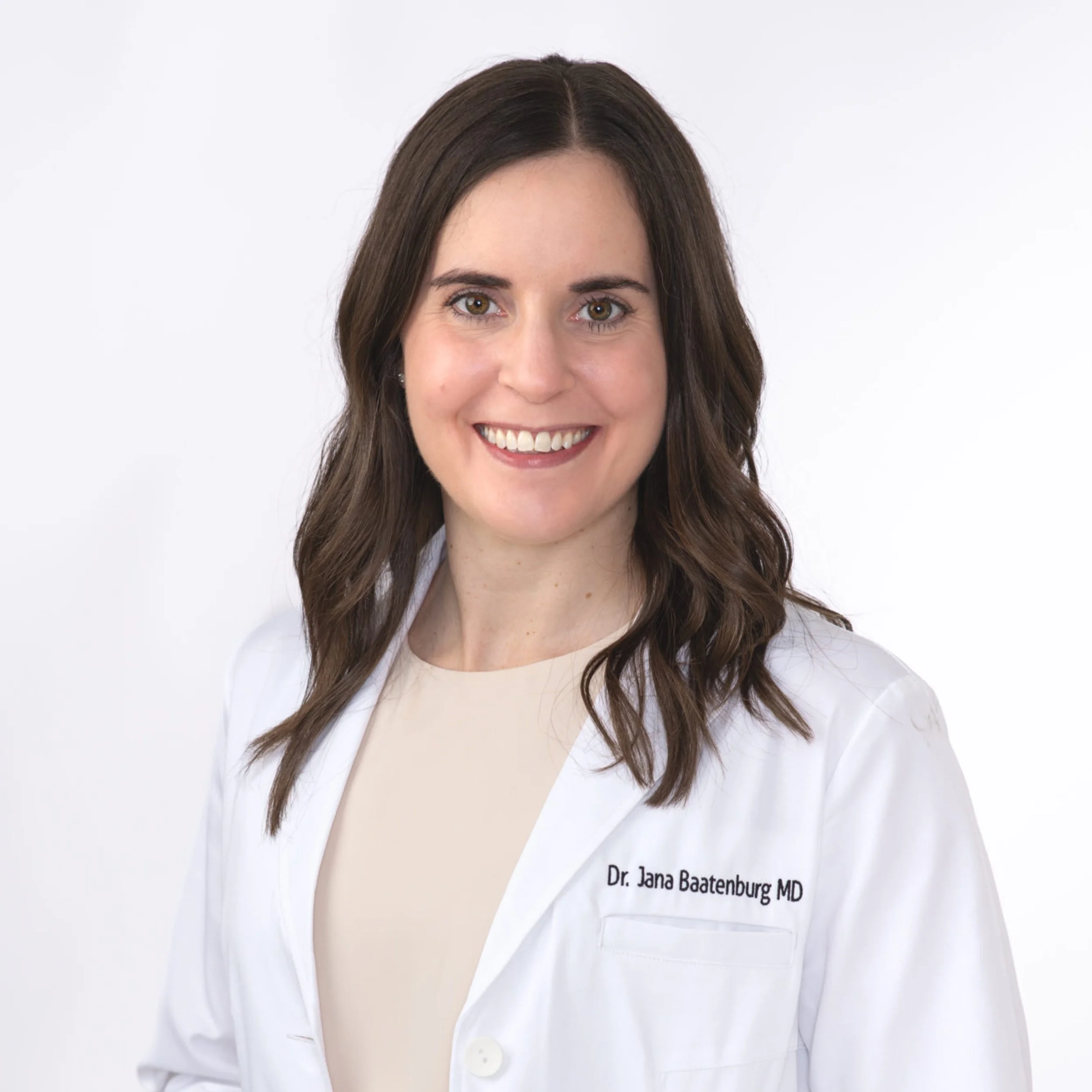
Medically reviewed by Jana Baatenburg, MD, MSCP, co-owner and co-founder of Concierge Medicine of West Michigan
Last updated: September, 2026
The changes that determine how you will feel in your 60s, 70s, and 80s happen where you can't see them. Muscle quietly shrinks, bone slowly loses strength, and metabolism becomes less resilient–unless you’re doing something to prevent it. These changes often begin years before they cause symptoms, which means by the time you notice them, you've already lost valuable ground.
The good news? These are some of the most modifiable aspects of aging, and it’s never too late to start! Understanding what changes—and taking action early—can dramatically influence your strength, independence, and quality of life for decades to come.
In this article:
What "healthy aging" actually measures
Muscle: the tissue that protects everything else
Bone: the structure that rarely warns you
Metabolic Health: beyond the number on the scale
How these changes can go unnoticed
Building strength now for the decades ahead
What "healthy aging" actually measures
What muscle loss, bone loss, and declining metabolic health have in common is that they happen quietly. You can look healthy, feel well, and continue your normal routine while these changes slowly develop beneath the surface. Often, these changes aren't noticeable until something happens—a fracture after a simple fall, difficulty getting up from the floor, rising blood sugar, or realizing everyday activities have become harder than they used to be.
That's why prevention matters so much. You don't have to wait until something is wrong to start protecting your health. By paying attention to these areas early - and making small, consistent changes over time - you can often prevent or delay many of the problems we commonly associate with aging.
Healthy aging is about much more than appearances–it's about preserving the systems that keep you strong, mobile, and independent. In the sections below, we'll explore the three areas that matter most - muscle, bone, and metabolic health - and the practical steps you can take to protect them.
Muscle: The Foundation of Healthy Aging
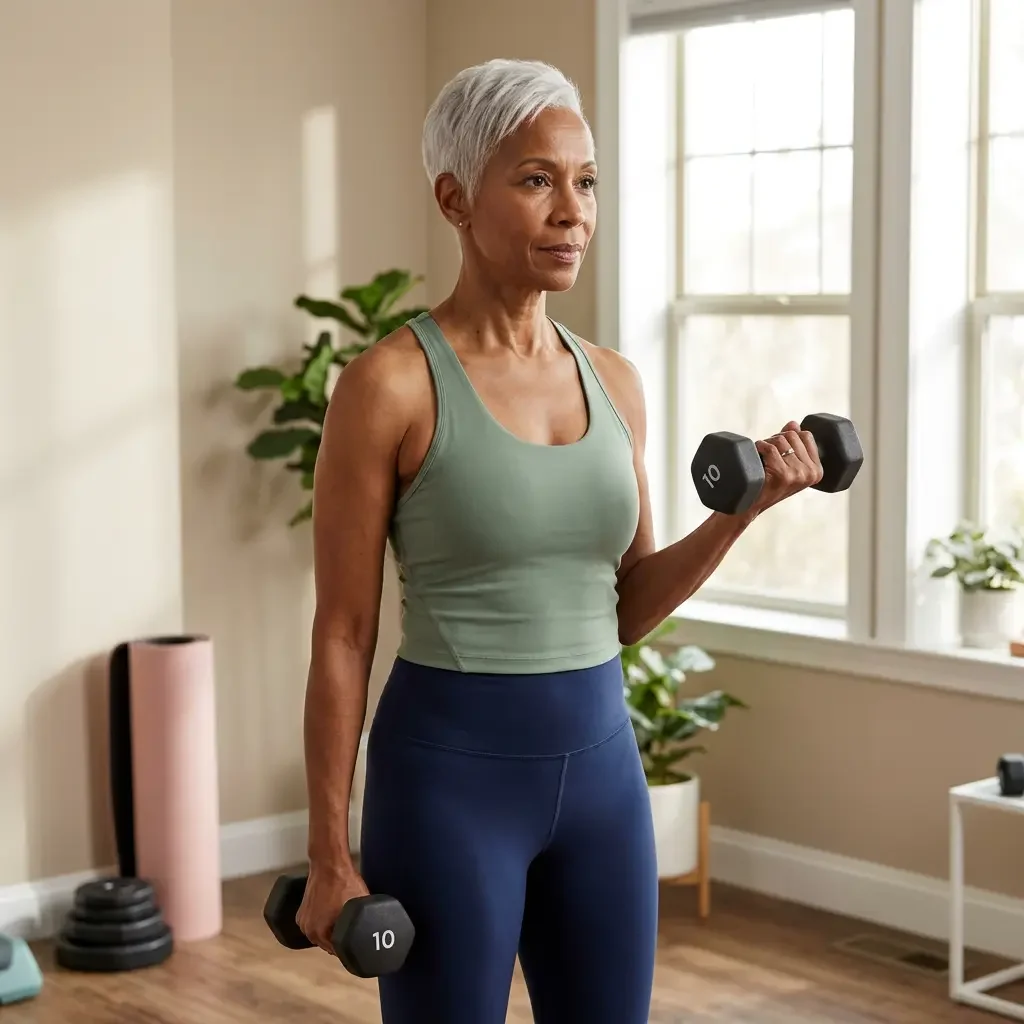
If there is one thing you can do to improve how you age, it's build and maintain muscle. Muscle does far more than help you look toned. It stabilizes your joints, protects against falls and fractures, supports your metabolism, and serves as the body's largest storage site for glucose, helping regulate blood sugar and reduce the risk of metabolic disease.
Without regular resistance training and adequate protein, muscle naturally declines with age—beginning as early as your 30s and accelerating after menopause. But that decline is not inevitable. Women who strength train consistently and eat enough protein
(about 0.7-1 gram of protein per pound of ideal body weight every day) can preserve—and often continue building—muscle well into midlife and beyond.
Cardiorespiratory fitness—often measured by VO2 max—is another important part of healthy aging. It reflects how well your heart, lungs, blood vessels, and muscles work together to use oxygen during exercise and is strongly associated with longevity and the ability to remain active and independent as we age. Resistance training helps preserve muscle, strength, and bone, while aerobic exercise ("cardio") builds the endurance and cardiovascular capacity that allow you to keep doing the things you want to do. Healthy aging isn't about choosing strength or cardio; both matter.
Perhaps the most encouraging news is that it's never too late to start. Research consistently shows that women in their 70s, 80s, and even 90s can gain strength, build muscle, improve balance, and enhance their quality of life through resistance training.
Few interventions in medicine offer such profound benefits with so little downside.
Bone: Building a Strong Foundation for Life
Your bones are living tissue, constantly breaking down and rebuilding themselves. During childhood, the teen years, and your twenties, your body is able to build bone faster than it loses it. This is when you develop your peak bone mass—the strongest skeleton you'll ever have. The more bone you build early in life, the greater your reserve as you age, making these years a critical window for lifelong bone health.
After menopause, the picture changes. Estrogen plays an important role in maintaining bone density. As estrogen levels naturally decline during the menopause transition, bone breakdown begins to outpace bone formation, and women can lose up to 20% of their bone density in the years surrounding menopause. Because bone loss causes no pain or symptoms, many women don't realize they have osteoporosis until they experience a fracture from a fall that shouldn't have caused one.
The good news is that bone health is influenced throughout life. Weight-bearing exercise, progressive resistance training, adequate calcium and vitamin D, good nutrition, avoiding smoking, and appropriate bone density screening all help discover bone issues and protect your skeleton. While building a strong foundation early in life is ideal, it's never too late to strengthen your bones and reduce your risk of fractures.
Metabolic Health: Beyond the number on the scale
The number on the scale tells only a small part of the story. Body composition—how much of your weight is muscle versus fat—often provides a much clearer picture of your health. Two women can weigh exactly the same, yet have very different risks for diabetes, heart disease, osteoporosis, and loss of independence based on differences in body composition, muscle mass, visceral fat, fitness, and other metabolic risk factors.
As women age, some may wonder why their weight is the same but their midsection is fuller. The answer is: they’ve lost muscle and gained fat in the abdomen, meaning weight remains stable but the composition of the weight (and the aesthetic result) is very different. Hormonal changes during menopause contribute to this shift, but it is not simply an inevitable part of aging or a personal failure. These changes are strongly influenced by lifestyle and can often be slowed - and even reversed.

The habits that have the greatest impact are also the simplest: strength train regularly to preserve muscle, eat enough protein and a nutrient-rich diet, move your body every day, prioritize quality sleep, and stay physically active throughout life. Rather than focusing only on losing weight, focus on building a body that is strong, resilient, and metabolically healthy. Those changes improve blood sugar, cholesterol, blood pressure, and overall health in ways that the number on the scale alone never can
How these changes can go unnoticed
What unites these three systems is their silence. A woman can look well and feel fine while bone thins and muscle slips beneath the surface. This is why looking at health longitudinally matters. Following changes in strength, body composition, bone health, and metabolic markers over time can reveal important trends long before they begin to affect daily life.
“Healthy aging isn’t about staying thin or looking young. It’s about building strength, fitness, and health now so you can stay active and independent for decades to come.”

Building strength now for the decades ahead
Strength built now compounds. The strength and physical capacity a woman maintains at 55 is what keeps her steady on her feet at 75. The bone she protects through her fifties is what keeps a fall from ending her independence. Every decade arrives with whatever reserves the previous decades set aside, which is why habits established in midlife matter so much more than they feel like they should at the time. Think of strength, bone density, and cardiovascular fitness as physiologic reserve—the capacity your body can draw on as you age, recover from illness, or face periods of inactivity
For a fuller view of how these priorities shift across the lifespan, our decade-by-decade guide to women's health maps what to focus on and when. It pairs closely with our work on cognitive health strategies, since the brain ages inside the same body as the bones and muscles and benefits from many of the same habits.
A practical first step is knowing which markers to watch at your particular stage. The Ms.Medicine Women's Healthcare by Decade guide lays out the screenings and priorities that matter decade by decade, and it is a useful thing to bring to a first visit with a Ms.Medicine physician, where the conversation can start with your own numbers rather than generic advice.
Strength That Compounds
Healthy aging is measurable, and most of what it measures happens where no mirror can reach. Muscle, bone, and metabolic function are the systems that determine how the later decades actually feel to live in. When support starts early and progress is tracked over time, these systems provide a foundation that lasts.
That, far more than anything visible in a photograph, is what strength from the inside out comes down to.
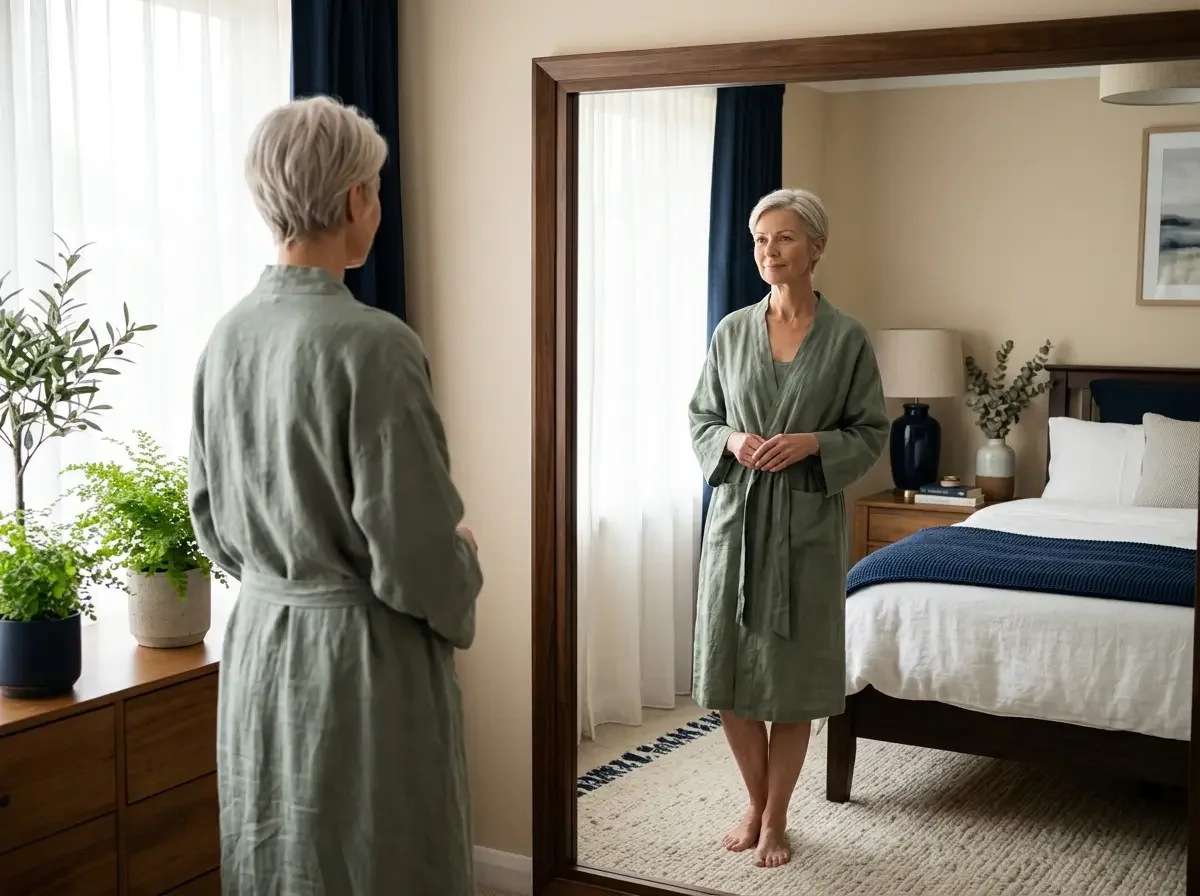
The anti-aging aisle promises to turn back the clock on a woman's face — but the bloodwork, the bone density, the muscle she's quietly losing often go years without a look. Dr. Kelli Peiffer makes the case for a different measure of aging well: strength, capacity, and clarity.