
Healthy Aging Isn't About Looking Younger: It's About Feeling Stronger

The anti-aging aisle at any pharmacy runs long. Serums, creams, and treatments fill the shelves, each promising to turn back the clock on a woman's face, and the message underneath them is consistent: aging is a problem to be corrected, mostly on the skin, mostly for the benefit of onlookers.
This article is for women feeling the pull of anti-aging culture who want a more useful way to think about getting older. It covers what that cultural focus costs, the questions a clinical view asks instead, and why strength and capacity, unlike appearance, respond to effort at almost any age.
In this article:
What the anti-aging aisle costs you
The questions a clinical view asks
Why capacity responds to effort
The reframe underneath
What the Anti-Aging Aisle Costs You
The anti-aging message is lucrative, and it trains attention on the single dimension of aging that has the least to do with how a life actually feels to live. A woman can spend considerable money, time, and worry chasing a younger appearance while the systems that govern her energy, her independence, and her long-term health go unexamined. The mirror gets audited daily. The bloodwork, the bone density, the muscle she is quietly losing often go years without a look.
Years of Life Catch Up
By midlife, many women have spent decades juggling careers, raising families, caring for others, sleeping too little, managing chronic stress, and trying one restrictive diet after another. While your younger body may have been able to compensate for those demands, it becomes less resilient with time.
The answer isn't simply to eat less or exercise more. It's to support your body in the waysit needs now: preserving muscle through strength training, eating enough protein and nutrient-dense foods, prioritizing sleep, managing stress, and moving your body every day.
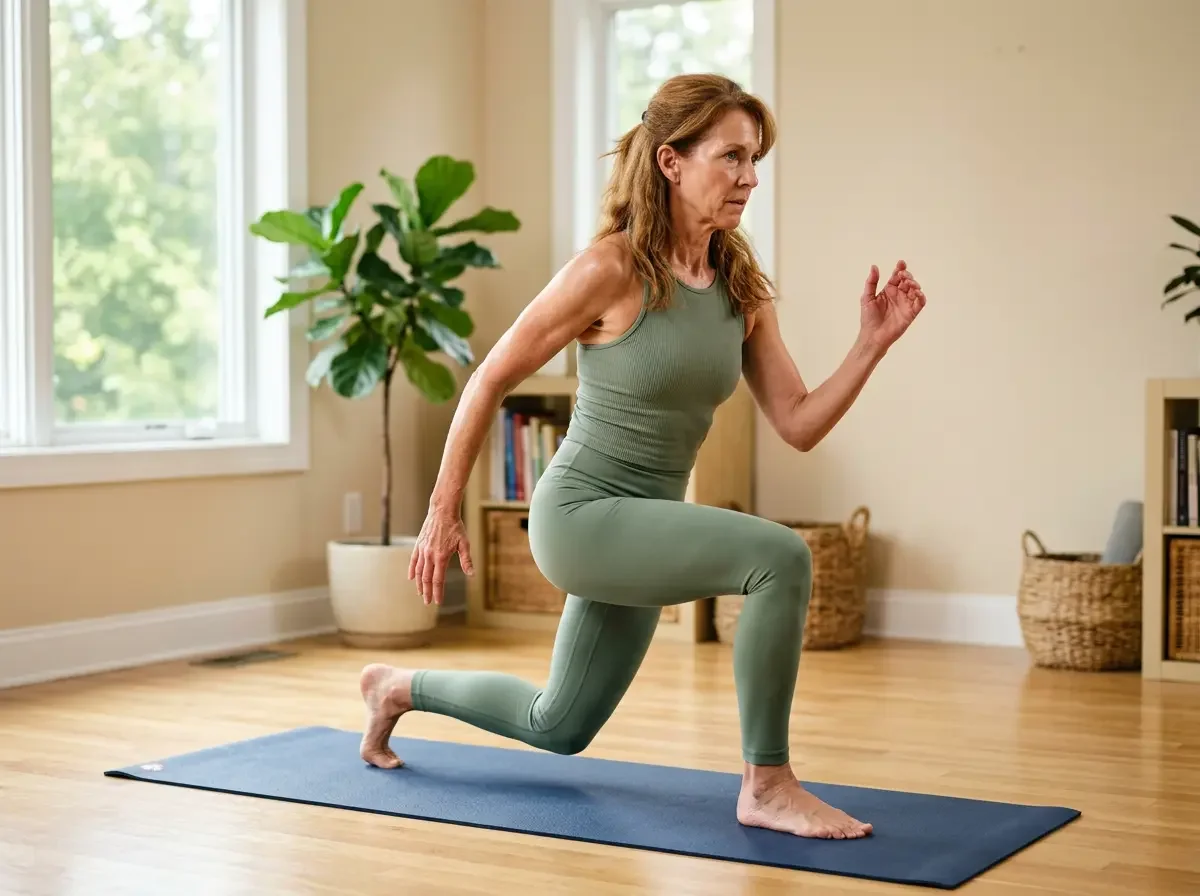
Look Beyond the Scale
The scale tells you one thing: how much you weigh. It doesn't tell you how much of that weight is muscle, how much is fat, how strong you are, or how healthy your body really is.
Instead of asking, "Why isn't the scale moving?" try asking yourself:
Am I building or preserving muscle?
Am I eating enough protein and nourishing my body well?
Am I moving my body every day?
Am I getting enough sleep to recover?
Are my blood sugar, cholesterol, and blood pressure moving in the right direction?
Am I making time to care for myself, or have I spent so much time caring for everyone else that my own health has fallen to the bottom of the list?
For many women, midlife is the first time they realize they've spent years putting everyone else's needs before their own. Prioritizing your health isn't selfish—it's one of the greatest gifts you can give yourself and the people you love. When you're stronger, healthier, and more resilient, you're better able to show up for your family, your career, and the life you want to live–a theme we develop in our piece on what healthy aging really means.
Why Capacity Responds to Effort
Strength, capacity, and clarity share a quality the appearance of youth does not: they respond to effort at almost any age. Muscle can be rebuilt into a woman's eighties with resistance training, as our piece on what healthy aging really means lays out in clinical detail. Metabolic health improves with better sleep, consistent movement, and the right screening. Cognitive function draws on many of the same habits, which is why our work on cognitive health strategies belongs in the same conversation as this one.

““The women I see thriving in their sixties and seventies stopped competing with their thirty-year-old selves a long time ago. They put that energy into strength and function, and they are the ones still hiking, still working, still fully engaged in their lives. Their labs tell the same story their calendars do.””
The Reframe Underneath
Underneath the clinical picture sits a mental reframe, and it is the harder half. The anti-aging story treats every year as a subtraction, a loss to be resisted or concealed. A more useful story treats age as accumulation: of strength built, of health protected, of a body that has become more knowable and more reliable over time. That shift changes what a woman does with her aging, and it tends to redirect energy away from the mirror and into the choices that actually shape the decades ahead. Our work on mindset shifts for healthy aging develops that idea directly.
The weight conversation runs on the same logic. When the goal moves from shrinking toward strengthening, a woman's whole relationship with her body tends to settle, which is why our piece on rethinking weight and wellness in midlife sits alongside this one.
Wanting to feel good in your own skin is reasonable and worth honoring. The question is what foundation that feeling rests on. A woman who is strong, well-screened, and clear-headed at 70 has something the anti-aging aisle cannot sell her, and she built it herself, decade by decade, out of habits available to her the whole time. A useful place to see which of those habits matter at your stage is the Ms.Medicine Women's Healthcare by Decade guide, worth bringing to a first visit with a Ms.Medicine physician.
The Body You Can Count On
Capacity is the thing worth building. The measure of aging well shows up in what a body keeps doing, decade after decade, for the woman who lives inside it. Strength, energy, and clarity are what carry her forward, and unlike the promises stacked on the pharmacy shelf, they are hers to build and hers to keep.
References and Additional Resources:
National Institute on Aging, Healthy Aging: https://www.nia.nih.gov
Office on Women's Health, Sarcopenia: https://womenshealth.gov/sarcopenia
Harvard Health, Preserve Your Muscle Mass: https://www.health.harvard.edu/staying-healthy/preserve-your-muscle-mass
The Menopause Society: https://menopause.org
Endocrine Society, Menopause and Bone Loss: https://www.endocrine.org/patient-engagement/endocrine-library/menopause-and-bone-loss
Cleveland Clinic, Sarcopenia: https://my.clevelandclinic.org/health/diseases/23167-sarcopenia
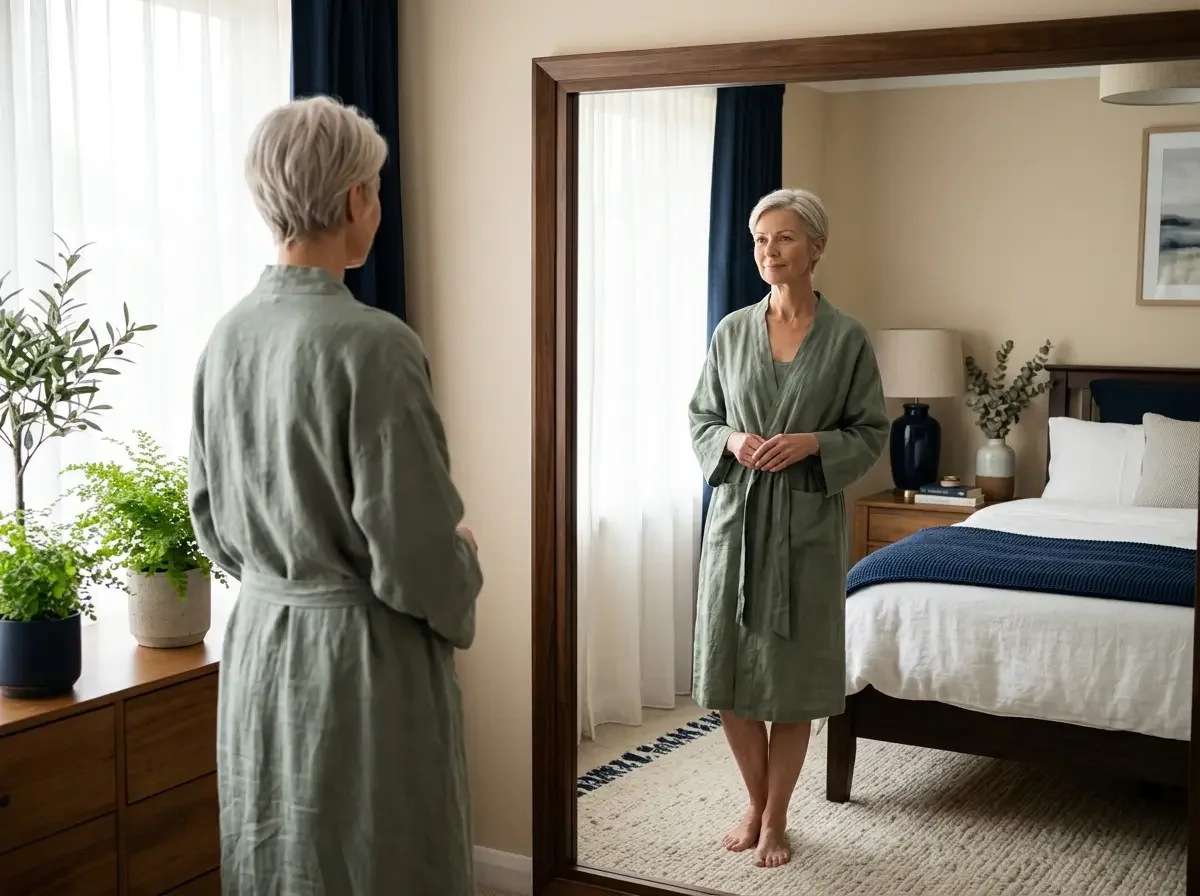


The anti-aging aisle promises to turn back the clock on a woman's face — but the bloodwork, the bone density, the muscle she's quietly losing often go years without a look. Dr. Kelli Peiffer makes the case for a different measure of aging well: strength, capacity, and clarity.