

Last Updated May 2026
Why Chlamydia and Gonorrhea Affect More Women Than You Think
While most people couldn’t imagine getting a sexually transmitted disease, it is much more likely than you think. Gonorrhea and Chlamydia can be transmitted due to a long-standing infection that was never diagnosed or one that is symptom-free. At least 70% of women with chlamydia don't notice any symptoms. Because of the lack of symptoms, the prevalence is quite high, with the CDC approximating in 2018 that there were around four million cases of chlamydial infections alone. And the incidence among you people is shocking, with two-thirds of new infections occurring in individuals aged 15-24, resulting in an estimated 1 in 20 sexually active young women aged 14-24 being affected by chlamydia. Sadly, without even knowing, this disease, left untreated, could result in these women having permanent damage to their reproductive system, pelvic inflammatory disease, or even infertility.
Chlamydia is the most commonly reported bacterial sexually transmitted infection in the United States, and many individuals with the infection remain asymptomatic and don't undergo testing. Gonorrhea is another common sexually transmitted infection (STI) in the U.S. The Centers for Disease Control and Prevention (CDC) reported that in 2019, there were over 616,000 cases of gonorrhea reported in the United States. Like chlamydia, gonorrhea is more prevalent among young people, particularly those aged 15 to 24.
At-Home STI Testing: A New Option for Women
This challenge is one of the reasons the FDA (U.S. Food and Drug Administration) gave marketing authorization to the first at-home sample collection for chlamydia and gonorrhea in November 2023. This test is called the Simple 2 Test from LetsGetChecked, which provides results in 2-5 days for only $99 in the comfort and privacy of your own home.
The Benefits of Testing at Home
At-home testing provides various benefits, including convenience, accessibility, privacy, and preventive care. It enhances healthcare access, particularly in remote areas, by overcoming barriers such as transportation and time constraints. It supports early detection and regular monitoring, empowering individuals to understand and manage their health.
The Limitations to Understand First
While there are so many positives to at-home testing, there are limitations, such as potential accuracy issues, a lack of professional guidance, false results, limited applicability to complex health issues, challenges in sample collection, the absence of structured follow-up care, regulatory concerns, and the possibility of causing psychological stress without professional support. The point is that there are options, and a Women’s Health expert is uniquely trained to support you, guide you through the testing process, and help you manage the results. Testing done within a medical practice is billed to insurance.
Should women get tested for Chlamydia and Gonorrhea?
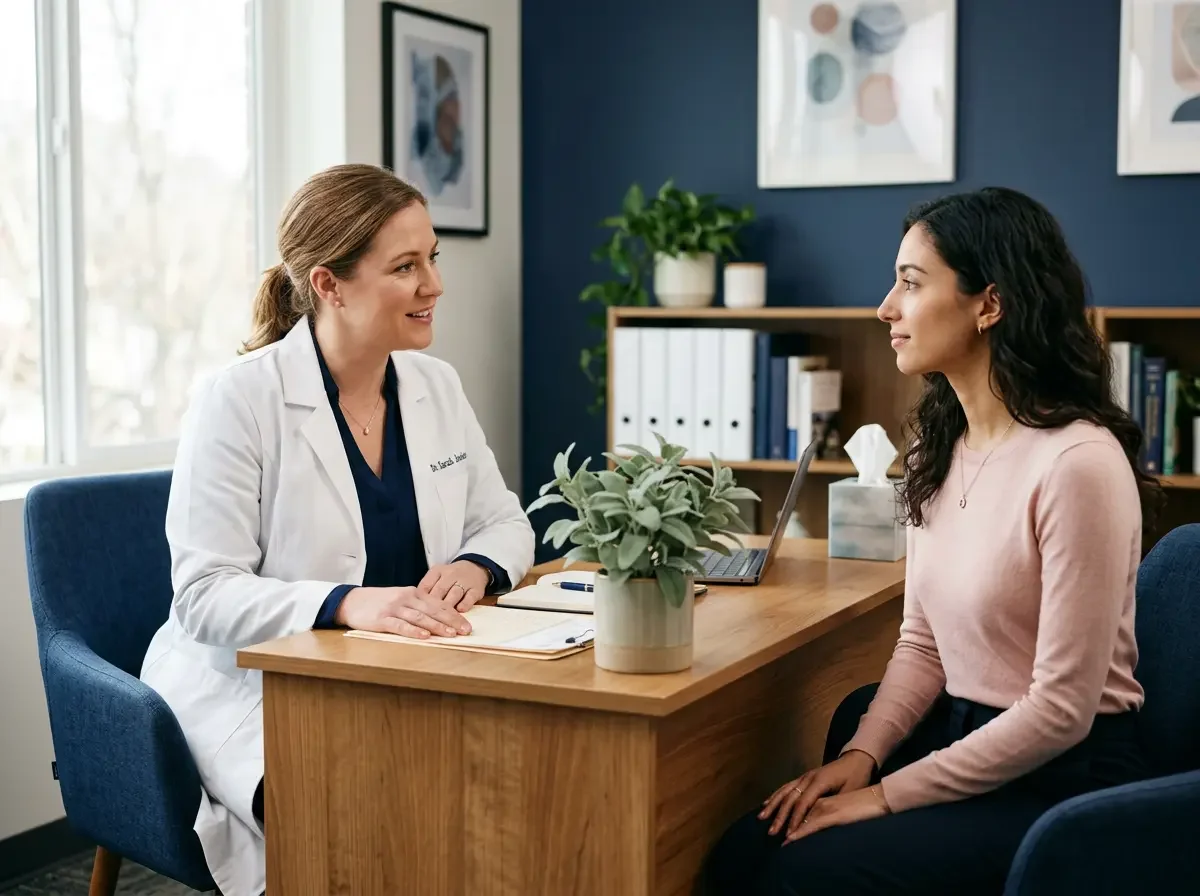
The answer is YES. Sexually active women, particularly those 15-24, should be tested for sexually transmitted diseases on a regular basis, even if there are no symptoms. The At-home Simple 2 Test is an option, but you can also be seen in the office by an expert in Women’s Health, like those available in a Ms. Medicine-affiliated practice, with the added benefit of support and guidance. Either way, it is important to get tested!


A woman wakes drenched at 2 a.m., days after surgery or weeks into treatment, and nothing about it matches the gradual menopause her friends describe. That's because treatment-induced menopause isn't a milder version of aging — it's its own biological event, and it deserves its own kind of care.