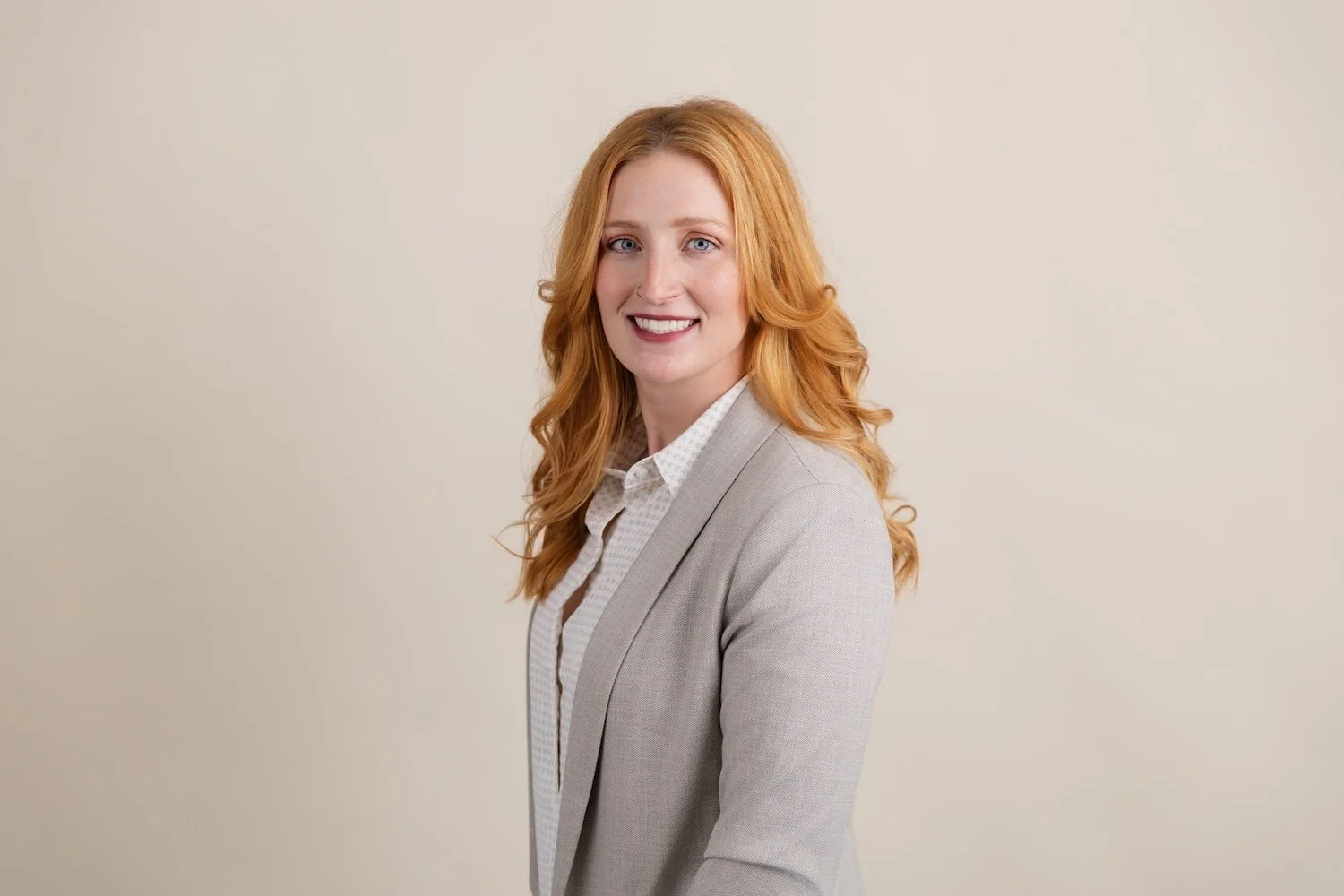
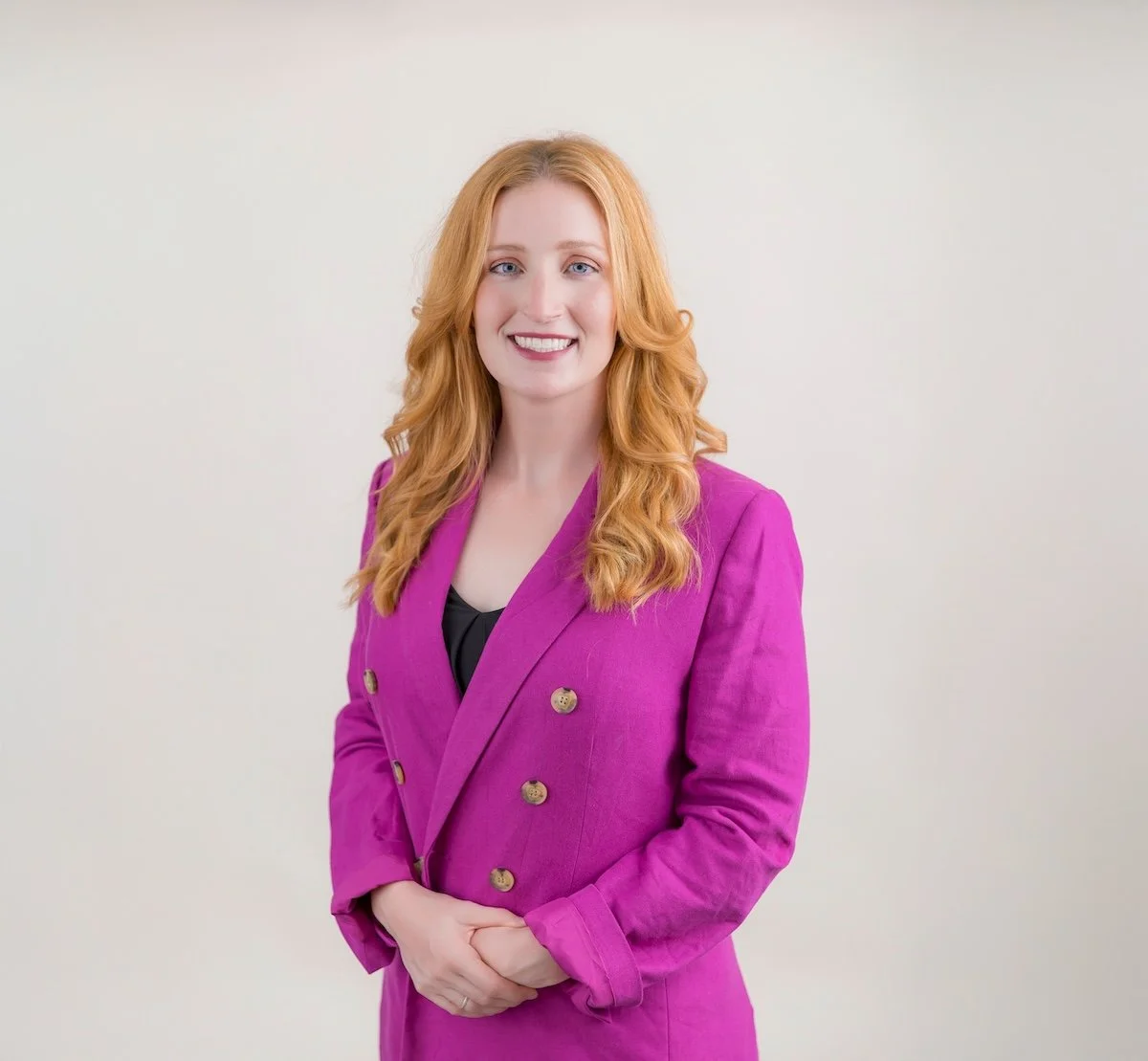
The Doctor Who Checks Your Strava: Dr. Ariel Brooks's Case for Metabolic Medicine Built on Data and Trust

PRACTICE SPOTLIGHT
Dr. Ariel Brooks has a patient who's a professional cyclist. Before her last visit, Dr. Brooks pulled up the patient's Strava feed to look at her recent training splits. Not out of curiosity. She'd been tracking some hormone-related concerns and wanted to see how the numbers on the road matched what she was seeing in the chart.
"I was creeping on your Strava," she told the patient. "These repeats are looking really good."
That's the kind of physician Dr. Ariel Brooks, MD, ABIM, ABOM, MSCP, has built herself into at Asklia Concierge & Metabolic Medicine in Cave Spring, Virginia: one who treats the full picture of a patient's life, including their training log, as clinical data.
The Point She Wasn't Going to Survive
Before Asklia, Dr. Brooks worked inpatient medicine at three different hospital systems and outpatient care at a major academic institution. She had ideas for how to help her patients. What she didn't have was the structure to act on them.
"It just became progressively more frustrating for myself and the patients," she said.
The decision to leave wasn't casual. She had two small children, a three-year-old and a five-year-old, a spouse, and a life she describes as not bad. The problem was narrower and harder to ignore: she was spending over a decade building a career she now felt unfulfilled inside.
"I'm not going to survive in my career as a physician if I don't make this change," she said of the point she'd reached. When the opportunity with Ms.Medicine came along, it landed at the right moment.
What Changed Her Mind About "One of These Companies"
Dr. Brooks came in wary. She'd seen how corporate-backed practice models can operate: opaque about fees, more invested in selling the concept than explaining it clearly.
That wasn't what she found. "The people seemed just extremely reasonable and transparent," she said. "It didn't feel like they were trying to sell me. It was just like, this is the situation." She was also connected directly with other affiliate physicians before she signed anything, rather than being asked to take anyone's word for it.
Her bigger concern was professional isolation. Leaving an academic setting meant leaving behind the case discussions and peer troubleshooting that had kept her sharp. The Ms.Medicine physician network turned out to solve for that directly, giving her a group of colleagues to consult when a case didn't fit the textbook.
Turning Risk Assessments Into a Framework, Not a Formality
At Asklia, metabolic and cardiovascular risk assessments aren't an intake formality. They're the organizing structure for how Dr. Brooks builds a care plan.
"A lot of these are questions that maybe haven't been asked," she said. Patients often think of their metabolic health as a single number, or a diabetes risk, without seeing how sleep, genetics, hormones, and cardiovascular markers connect. The assessment gives her and the patient a shared starting point: "Let's find out where you're at. Let's get a baseline. Let's prioritize your health."
That framework also drives sequencing. If a patient's sleep is disrupted, Dr. Brooks doesn't hand them a workout plan. She looks for sleep apnea first, because fixing that moves every other metric, including blood pressure, in the right direction.
The same rigor applies to breast cancer risk. Dr. Brooks says the depth of counseling she's able to offer now, earlier and more assertively than before, has grown directly out of doing these assessments repeatedly across her panel. In at least one case, a risk assessment led to genetic testing for a male patient that surfaced a finding unrelated to what she was originally screening for, one that required follow-up care he wouldn't otherwise have sought.
The Practice She Set Out to Build
Dr. Brooks says what she's most proud of isn't a clinical outcome. It's the environment her patients trust without hesitation. She described a patient who received a concerning pathology result through the portal and simply walked into the office unannounced. "She'll help me. She'll tell me what to do," the patient told the front desk.
"That felt good," Dr. Brooks said. "You knew to come here, you knew I would be here, and you knew I would help you."
The patients she's attracting, she says, aren't chasing maximum value out of every visit. They understand what concierge care is for and they're willing to invest in it. Some come specifically because Dr. Brooks understands performance and training the way a coach would, not just a physician. Questions about fueling timing, macronutrient breakdowns, and how much weight loss a competitive athlete can sustain without losing performance require a level of personal familiarity with endurance sport that isn't standard in most primary care visits.
The Case She Makes to Colleagues Considering the Same Leap
When physicians ask Dr. Brooks whether joining a network is worth it, her answer is direct: you can build a practice on your own, but you'll do it with more friction and less support than you think you can absorb. What she didn't anticipate, and now considers the most valuable part of the model, is the community.
"That was something I didn't think that I would really care about," she said. "And it's probably become the biggest thing."
She points to the access itself as the differentiator. Colleagues aren't a help line. They're people she can call directly. That kind of direct, one-on-one access to a peer network is not the norm in medicine, and she considers it a genuine advantage of practicing this way.
Dr. Brooks has watched her own read on the job sharpen with time. The early uncertainty of ownership has given way to something closer to instinct: she knows what a normal week looks like, she trusts her judgment on the cases that used to keep her up at night, and she has a bench of colleagues who've made the same jump and are building alongside her.
"I have so many colleagues that are in the same place," she said.
Asklia Concierge & Metabolic Medicine is a concierge primary care practice specializing in metabolic and women's health, serving patients in Cave Spring, Virginia. To learn more or schedule a consultation with Dr. Brooks, visit askliamedicine.com or call 540-410-9275.
Physicians interested in learning more about opening their own concierge practice through Ms.Medicine can visit msmedicine.com.