Last Updated: May 2026
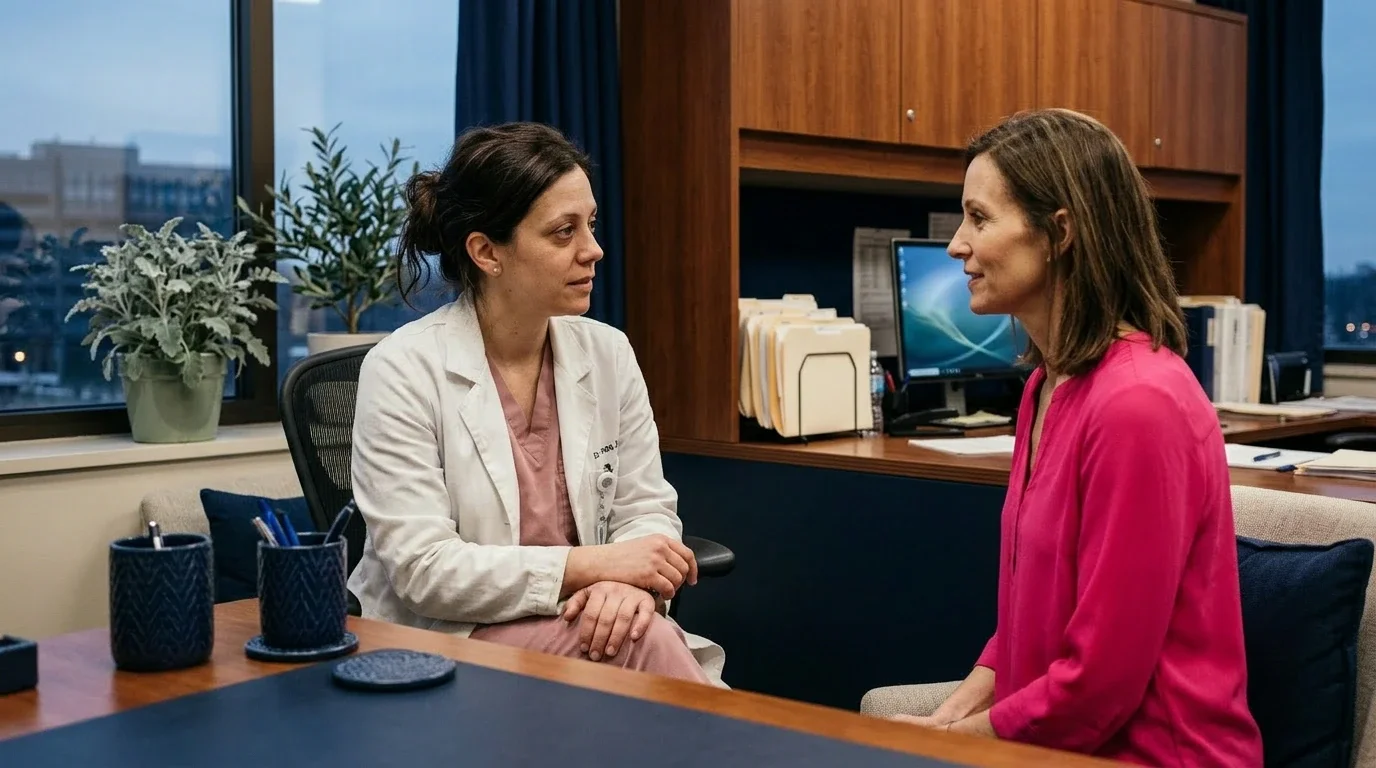
There is a pattern that plays out in exam rooms across the country, day after day. A woman in her late forties describes disrupted sleep, cognitive fog, joint pain, and a libido that has gone quiet. She has seen her primary care physician. She has left without a diagnosis, without a treatment plan, and sometimes without being taken seriously. She may try another appointment in six months. Or she may stop trying altogether.
This is not an edge case. A 2025 study published in Mayo Clinic Proceedings found that approximately 87 percent of midlife women with menopause symptoms did not seek medical care for those symptoms, with many citing a lack of awareness that effective treatments even exist. Among those who did seek care, the treatment gap remained stark. Research from the Health Care Cost Institute found that while 60 percent of women seek medical help for menopause-related issues, only 25 percent receive treatment.
This is the clinical landscape midlife women are navigating. And it represents one of the clearest opportunities in medicine right now, particularly for physicians who are building or rethinking their practice models.
The Demand Is Real, and It Is Growing
Midlife women are not a niche market. Approximately two million women enter menopause in the United States each year. By 2025, projections put the global count of postmenopausal women at over one billion. These are women who are working, raising families, leading organizations, and actively managing their health, often with inadequate clinical support.
At the same time, a broader shift is underway in how patients, particularly women, think about healthcare. They are moving away from reactive, volume-driven models and toward care that is longitudinal, relationship-based, and comprehensive. This preference is showing up in the market data. The U.S. concierge medicine sector was valued at approximately $7.35 billion in 2024 and is projected to reach $13.23 billion by 2030, according to Grand View Research, growing at a compound annual rate of more than 10 percent. That growth is being driven not by novelty but by a mismatch between what patients need and what traditional systems deliver.
Women are a primary engine of that demand. They are more likely than men to proactively seek preventive care, to research their own health conditions, and to make healthcare decisions for their households. When the care they receive does not match the depth of attention they seek, they look for something different.

The Training Gap Is the Core Problem
The question of why so many women leave clinical encounters without adequate menopause care comes back, largely, to physician preparation. A 2023 survey published in the journal Menopause, conducted among obstetrics and gynecology residency program directors, found that while 92.9 percent of programs agreed that residents should have access to a standardized menopause curriculum, only 31.3 percent reported actually having one. Among programs that offered menopause education, the median was fewer than 5 lectures per year.
The problem is not limited to one specialty. According to data cited by AARP, 80 percent of graduating internal medicine residents did not feel competent to discuss or treat menopause. A 2019 study found that fewer than 7 percent of primary care providers felt adequately prepared to treat menopausal women. And the clinical scope of menopause is far broader than the specialty silos that exist to address it. The hormonal transitions of midlife affect cardiovascular risk, bone density, cognitive function, sexual health, and mood, domains that cut across internal medicine, gynecology, endocrinology, and primary care. There is no standard training pathway that connects all of them.
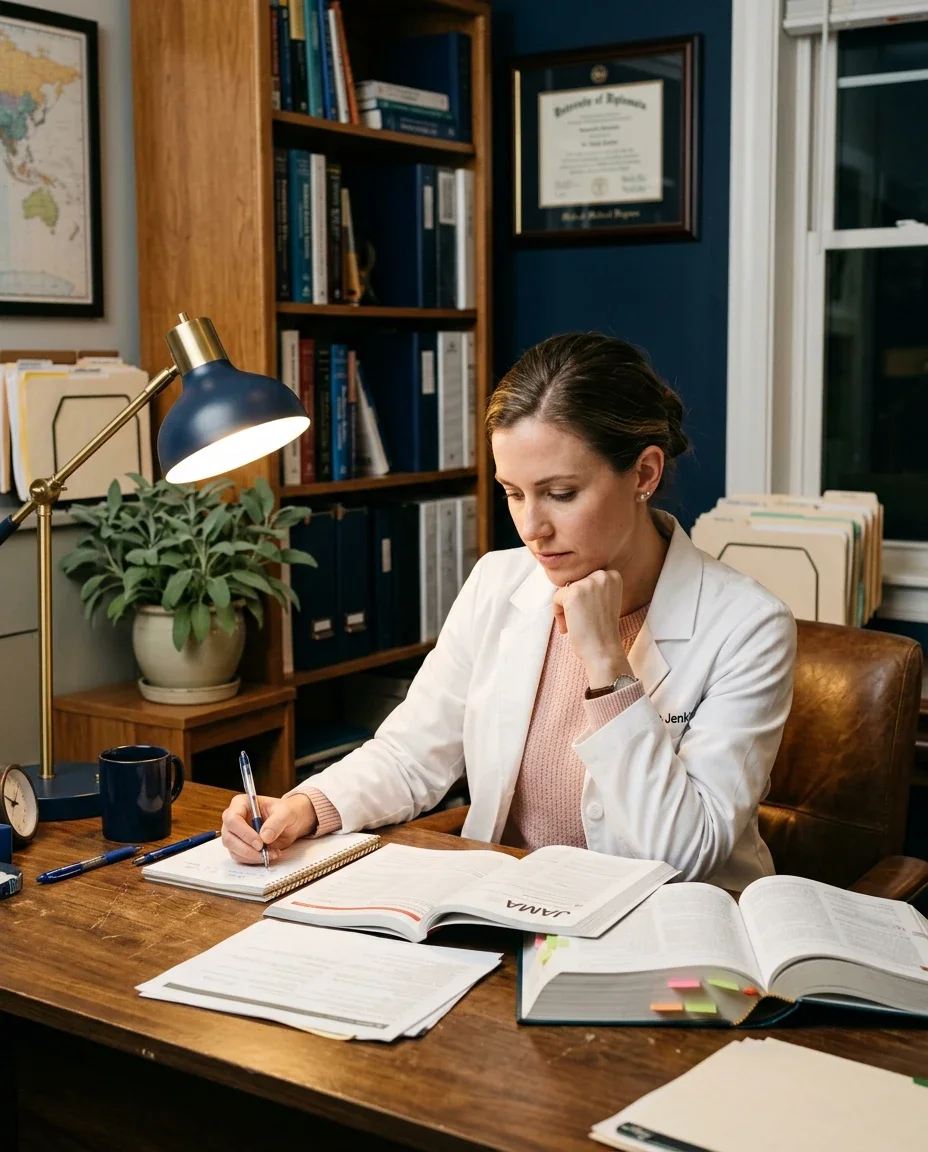
Physicians who want to serve these patients well often find they have to build their own education from scratch, outside of residency. The institutional infrastructure is not there. The weekly continuing education seminars, the national society memberships, the peer networks of specialists, most practicing physicians have had to pursue these on their own initiative.
Why Concierge Medicine Fits This Patient Population
The concierge model addresses something that is structurally impossible in traditional primary care: time. A conventional primary care physician manages a panel of 2,000 or more patients. Appointments run 15 minutes on average. In that window, a physician is expected to address acute concerns, review medications, document everything for billing, and move to the next patient. There is no room for the kind of comprehensive hormonal and lifestyle conversation that midlife women need.
Concierge practices operate on panels of 300 to 600 patients, with appointment times ranging from 45 minutes to an hour. Patients have direct access to their physician. Follow-up happens proactively, not when a condition has already escalated. This structure is not just more pleasant; it is clinically meaningful. It creates the conditions under which complex, multi-system health needs can actually be addressed systematically.
Midlife women's health, with its seven overlapping clinical domains spanning hormones, cardiovascular health, bone health, metabolic health, brain health, breast health, and sexual health, requires exactly this kind of longitudinal engagement. A single annual physical does not close the gap. Quarterly visits structured around those domains, combined with physician access between appointments, can.
The Career Case for Physicians
For physicians frustrated by a healthcare system that limits what they can actually do for patients, women's health concierge medicine represents a substantive career redirection, not just a business model change.
Several factors make this a compelling clinical and professional opportunity:
Patient demand is established and growing. The women who need this care know it and are actively seeking providers who can deliver it.
Clinical complexity is high, which means intellectual engagement remains strong. Managing the intersection of hormones, metabolic health, cardiovascular risk, and bone density across a patient's lifespan is medicine at its most integrative.
Outcomes are meaningful and measurable. Physicians in this model can track whether patients are improving over time, rather than managing acute episodes in isolation.
The business case is stable. Concierge practices built on membership models provide predictable revenue and reduce the administrative burden of insurance billing and utilization review.
Network infrastructure changes the learning curve. Joining a network of physicians focused on women's health means access to education, peer consultation, and best practices, rather than building clinical expertise entirely in isolation.
The physician shortage in primary care is not improving. The American Association of Medical Colleges projects a shortfall of up to 124,000 physicians by 2034, with primary care bearing a disproportionate share of that gap. Physicians who transition to a concierge model are not abandoning primary care. They are finding a structure that allows them actually to practice it.
What Comes Next
The women who are currently navigating menopause without adequate clinical support are not waiting for the healthcare system to fix itself. They are looking for physicians who are trained, accessible, and genuinely invested in their care. That population is large, underserved, and highly motivated to engage with a practice that meets them where they are.
Physicians drawn to this patient population, who want to stay current on hormonal science, who want time with their patients, and who want the clinical tools to help them, will find that the concierge model is not a workaround. It is where this kind of medicine actually becomes possible.