

Sexual Health Is Part of Your Health
Sexual health concerns are among the most common issues women bring to their providers — and among the most commonly dismissed. Pain during sex gets attributed to stress. Low libido gets written off as a long-term relationship problem. Vaginal dryness gets a brief mention at the end of a menopause appointment, if it comes up at all. At Ms.Medicine, we approach sexual health the same way we approach cardiovascular health or bone density: directly, clinically, and with your full picture in mind. This guide is for women who want to understand what's happening, why it's happening, and what can actually be done about it.
Download the free Guide to Sexual Health and get the information you deserve.
Why it Matters
50-60%
OF POSTMENOPAUSAL WOMEN EXPERIENCE GSM — ONE OF THE MOST UNDERTREATED CONDITIONS IN WOMEN'S HEALTH. MOST HAVE NEVER HEARD THE TERM.

The Problem Worth Naming
Most of what women experience in their sexual health gets dismissed, minimized, or explained away. Pain during sex is "normal." Low libido is "just stress." Vaginal dryness gets a line at the end of the appointment, if it comes up at all. These symptoms are not inevitable, and most of them are treatable. The hormonal shifts of perimenopause and menopause create real, measurable changes in vaginal tissue, pelvic floor function, nerve sensitivity, and desire. STI rates among women over 40 have been rising for over a decade, partly because providers stop screening once pregnancy is no longer a concern. Our providers don't accept any of this.

Understanding What's Happening
Sexual health involves more than the absence of disease. It includes the physical structures involved in sexual function, the hormonal environment that supports them, and the systems that drive desire and response. Estrogen receptors are present throughout genitourinary tissue, which is why estrogen levels have a direct, measurable effect on how that tissue looks, feels, and behaves. Testosterone plays a documented role in desire, arousal, and genital sensitivity in women, and declines gradually from the mid-20s onward. Female sexual desire is also largely responsive rather than spontaneous — meaning desire often emerges in response to stimulation and context. That's normal. It doesn't mean desire is broken.

GSM: The Condition Most Women Don't Know They Have
Genitourinary syndrome of menopause affects an estimated 50 to 60 percent of postmenopausal women. Unlike hot flashes, which often improve over time, GSM typically worsens without treatment — and most women have never heard the term. Symptoms include vaginal dryness, burning, irritation, pain during sex, light bleeding from tissue fragility, recurrent UTIs, and urinary urgency. These can begin well before the final menstrual period. GSM is highly treatable, and treatment doesn't require systemic hormone therapy. Options range from non-hormonal vaginal moisturizers to low-dose local estrogen to vaginal DHEA and oral ospemifene. If you've been assuming these symptoms are unavoidable, they're not.

Low Libido Is a Symptom, Not a Personality Trait
Low sexual desire is the most common sexual health complaint among women at midlife, and also the most frequently dismissed. Desire at this stage is influenced by estrogen and testosterone levels, physical comfort, sleep quality, mental health, and medications — most of which are in flux simultaneously. Off-label low-dose testosterone is an established part of menopause care worth discussing if you're experiencing low libido alongside fatigue or reduced sensitivity. SSRIs and SNRIs are also a significant and underacknowledged cause of low libido and difficulty with orgasm. If your libido shifted after starting a medication, that timing is clinically relevant and worth raising with your provider.

Sexual Pain Is Not Normal
Pain during or around sex is not something to accommodate indefinitely. In most cases it has a diagnosable cause and a treatment pathway. Dyspareunia — persistent pain with intercourse — can occur at the vaginal opening or deeper in the pelvis, and the location is often a useful diagnostic clue. Vulvodynia is chronic pain in the vulvar area lasting at least three months, frequently misdiagnosed, and treatable with a multimodal approach. Vaginismus is an involuntary contraction of the vaginal muscles — not a sign of reluctance, and responsive to targeted treatment. If you've ever been told to relax or adjust your expectations, you deserve a better answer.
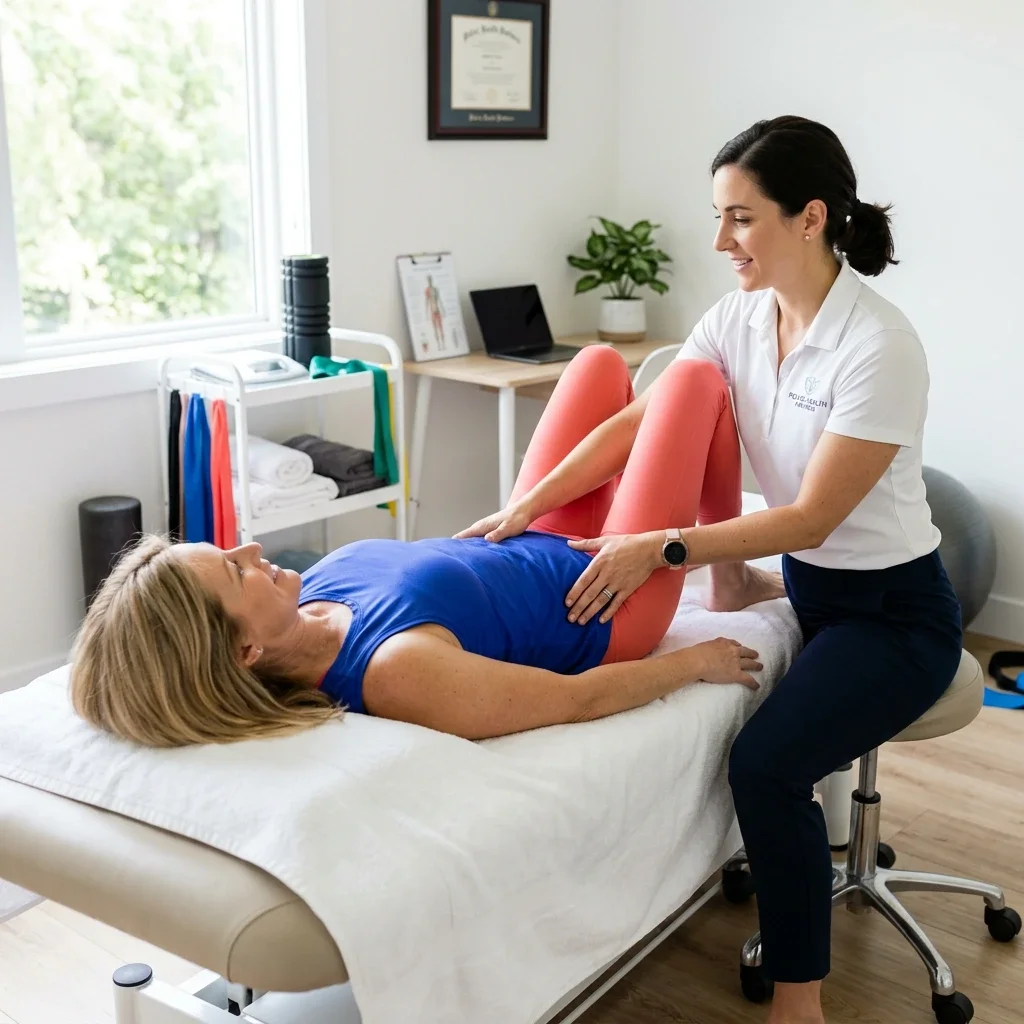
The Pelvic Floor Connection
The pelvic floor plays a direct role in arousal, sensation, and orgasm — and pelvic floor dysfunction is significantly underreported because most women don't connect their symptoms to it. When pelvic floor muscles are weakened, tight, or uncoordinated, orgasm may be less intense, harder to achieve, or absent. Pelvic floor tension is also a primary driver of dyspareunia and vaginismus. Dysfunction can involve muscles that are too weak or too tight, and these require completely different approaches — Kegel exercises when the floor is already tense can make things worse. Assessment by a trained pelvic floor physiotherapist is the right starting point before beginning any treatment program.

STI Risk Doesn't Stop at Midlife
STI rates among women over 40 have been rising for over a decade, and the clinical response hasn't kept pace. Providers often stop routine screening in midlife, assuming the risk isn't there. Women often stop using barrier protection once pregnancy is no longer a concern. Chlamydia and gonorrhea are frequently asymptomatic. HPV continues to carry cancer risk regardless of vaccination history. HIV diagnoses in women over 50 are often caught late due to lower clinical suspicion. If you're sexually active with new or multiple partners, STI screening is appropriate regardless of age. If your provider doesn't raise the topic, it's worth raising yourself.

Ms.Medicine's Approach
Sexual health is whole-body health. It connects to your hormones, your pelvic floor, your mental health, your medications, and your life stage — and it deserves the same clinical attention as any other system. Our providers approach it directly: comprehensive hormonal evaluation, thorough discussion of local and systemic treatment options for GSM and related conditions, referrals to pelvic floor physical therapy where appropriate, and STI screening without judgment. If a medication is affecting your libido or sexual response, that's a conversation we have, not one we sidestep. You shouldn't have to bring this up three times before someone takes you seriously. We do, the first time.




Walk into any pharmacy or scroll through Instagram and you will find products promising to restore your desire, improve your arousal, or reignite your spark. The marketing is confident. The claims are almost never backed by rigorous science. Here is what the evidence actually says.