
What Your Hormones Are Doing at Every Decade of Your Life

Last Updated May 2026
Medically reviewed by Dr. Sameena Rahman, owner and founder of GYN & Sexual Medicine Collective
Most women are told, at some point, that what they are feeling is normal. Fatigue in your thirties: normal. Irregular cycles and brain fog in your forties: normal. Hot flashes, sleep disruption, and mood changes in your fifties: normal. The word is used as a placeholder for something far more specific: hormones are shifting, and those shifts have names, patterns, and real management options.
Understanding what your hormones are doing at each stage of life is not a luxury reserved for women who are already in crisis. It is foundational preventive care. Here is what that actually looks like, decade by decade.
Your 20s: Peak Hormonal Output and the Window to Build On
Estrogen, progesterone, and testosterone are all operating at their highest natural levels during your twenties. Bone density is building toward its lifetime peak. Metabolism is efficient. Fertility is at its most straightforward.
This does not mean the decade is symptom-free. Hormonal fluctuations tied to menstrual cycles can be significant, and conditions like PCOS, endometriosis, and thyroid dysfunction often go undiagnosed during this period because the symptoms get normalized. Heavy periods, severe cramping, and cycle irregularity deserve clinical attention, not reassurance.
The twenties are also the right time to establish a healthcare relationship that actually listens. Preventive screenings, baseline labs, and an honest conversation about cycle patterns create the foundation that makes everything that follows easier to interpret.
Your 30s: The First Signals Start Arriving

The hormonal changes that begin in the thirties are subtle enough that many women attribute them to stress, overcommitment, or simply getting older. Metabolism starts to shift. Sleep may become lighter or less restorative. Energy levels that once felt reliable begin to fluctuate. These changes are not imagined, and they are not inevitable endpoints.
Progesterone levels begin a gradual decline during this decade, which can affect cycle regularity, mood stability, and sleep quality before most women would ever use the word hormonal to describe their experience. Fertility also begins to decrease, and for women who are navigating conception decisions, understanding this hormonal context matters.
Cholesterol, glucose, and blood pressure monitoring become relevant at this stage, not because disease is imminent but because the thirties represent an opportunity to intervene early. Lifestyle factors, including sleep, nutrition, movement, and stress management, carry more weight here than most women are told.
Your 40s: Perimenopause Has Likely Already Started
The average age of perimenopause onset is the mid-forties, but it can begin earlier. What makes this decade particularly disorienting is that perimenopause symptoms often arrive years before cycles become irregular, which is the marker most women have been told to watch for. By the time cycle changes are obvious, hormonal fluctuation has often been underway for some time.
Hot flashes, night sweats, sleep disruption, mood changes, and cognitive symptoms like word-finding difficulty and short-term memory lapses are all common during perimenopause. So is a decline in bone density and muscle mass, both of which respond well to early intervention.
Strength training, adequate intake of calcium and vitamin D, and more frequent screening for breast and bone health all become priorities in this decade. But the most important thing a woman in her forties can do is find a provider who recognizes perimenopause for what it is, rather than one who attributes her symptoms to stress or depression alone.

““Normal lab values and real symptoms can coexist. When a woman tells me she doesn’t feel like herself, that is clinical information. Our job is to take it seriously and investigate, not dismiss it because the numbers fall within a reference range. Because dismissal by your healthcare clinician time and time again is harmful and erodes trust.””
Your 50s: Menopause and What Comes After It
Menopause is defined as twelve consecutive months without a menstrual period, and it typically occurs between the ages of 51 and 53 in the United States. The hormonal shift at this stage is significant: estrogen levels fall sharply, progesterone production essentially ceases, and the body begins adapting to a new baseline.
More than 30 distinct symptoms are associated with menopause, which is part of why it is so frequently undermanaged. Hot flashes and night sweats get the most attention, but the symptom picture often includes joint pain, brain fog, anxiety, changes in libido, vaginal dryness, and shifts in cardiovascular risk. Women in their fifties face a convergence of hormonal change and increased screening burden, including heightened attention to heart disease, bone health, and cancer surveillance.
This is also the decade where access to a provider with actual menopause training matters most. Fewer than 20 percent of U.S. primary care physicians receive formal training in menopause management, and only 7 percent of residents graduating feel adequately equipped to treat menopausal patients, which means many women are navigating one of the most complex hormonal transitions of their lives without qualified support. Treatment options, including hormone therapy, non-hormonal medications, and targeted lifestyle interventions, are available and effective. They require a provider who knows how to use them.
Your 60s: Managing the Post-Menopause Landscape

The acute hormonal volatility of perimenopause and the menopausal transition typically stabilizes in the sixties, but the downstream effects of sustained low estrogen continue to shape health. Bone density loss remains a concern. Cardiovascular risk stays elevated. Joint stiffness and changes in connective tissue become more noticeable.
Maintaining physical strength and mobility during this decade is not optional self-care. It is directly tied to independence and fall prevention. Mental health also deserves focused attention: the intersection of physical change, shifting life roles, and the social losses that often accompany aging can be significant, and it responds well to both clinical support and intentional social connection.
Regular health screenings remain essential. The chronic conditions that begin to consolidate in the sixties are far more manageable when identified and addressed early.
Your 70s and Beyond: The Goal Is a Full Life, Not Just a Long One
Hormonal levels have largely stabilized by the 1970s, but the cumulative effects of decades of hormonal changes continue to influence bone health, cognitive function, cardiovascular health, and the risk of falls. This is not a stage of life where medical attention should taper off. It is a stage where the quality of that attention matters enormously.
Nutrition, physical activity, and robust social connections all support cognitive health and physical function in measurable ways. So does having a provider relationship that is attentive to the whole picture rather than managing conditions in isolation.
How Ms.Medicine Approaches Hormonal Health Across Your Lifespan
The standard model of women's healthcare was not designed with hormonal complexity in mind. Ten-minute appointments, labs that are read as binary pass/fail results, and providers who received little or no training in menopause medicine leave enormous gaps in care for women at every stage.
Ms. Medicine providers are Menopause Society Certified Practitioners, a designation that requires advanced training in hormone management, sexual health, and the broader symptom picture of menopause. Initial appointments run 60 to 90 minutes, which is the amount of time it actually takes to understand a patient's full history and symptom pattern. We use a detailed symptom matrix that tracks more than 30 potential symptoms, and our evaluation extends beyond hormone levels to include thyroid function, vitamin D, and inflammatory markers.
Treatment plans are built from that full picture and may include bioidentical hormone therapy, non-hormonal medications, or lifestyle interventions, sometimes in combination. The goal is not to hand every patient the same protocol. It is to build something that fits the woman in front of us.
Go Deeper: Women's Health by the Decade
If this overview raised questions about what your hormone health should look like right now, we have built a resource specifically for that. Our free Women's Health by Decade series breaks down the key hormonal shifts, screening priorities, and care considerations for each stage of life in much greater detail.
Download the free series here: msmedicine.com/womens-healthcare-by-decade
You deserve care that keeps up with your body. Whatever decade you are in, there is something useful waiting for you there.
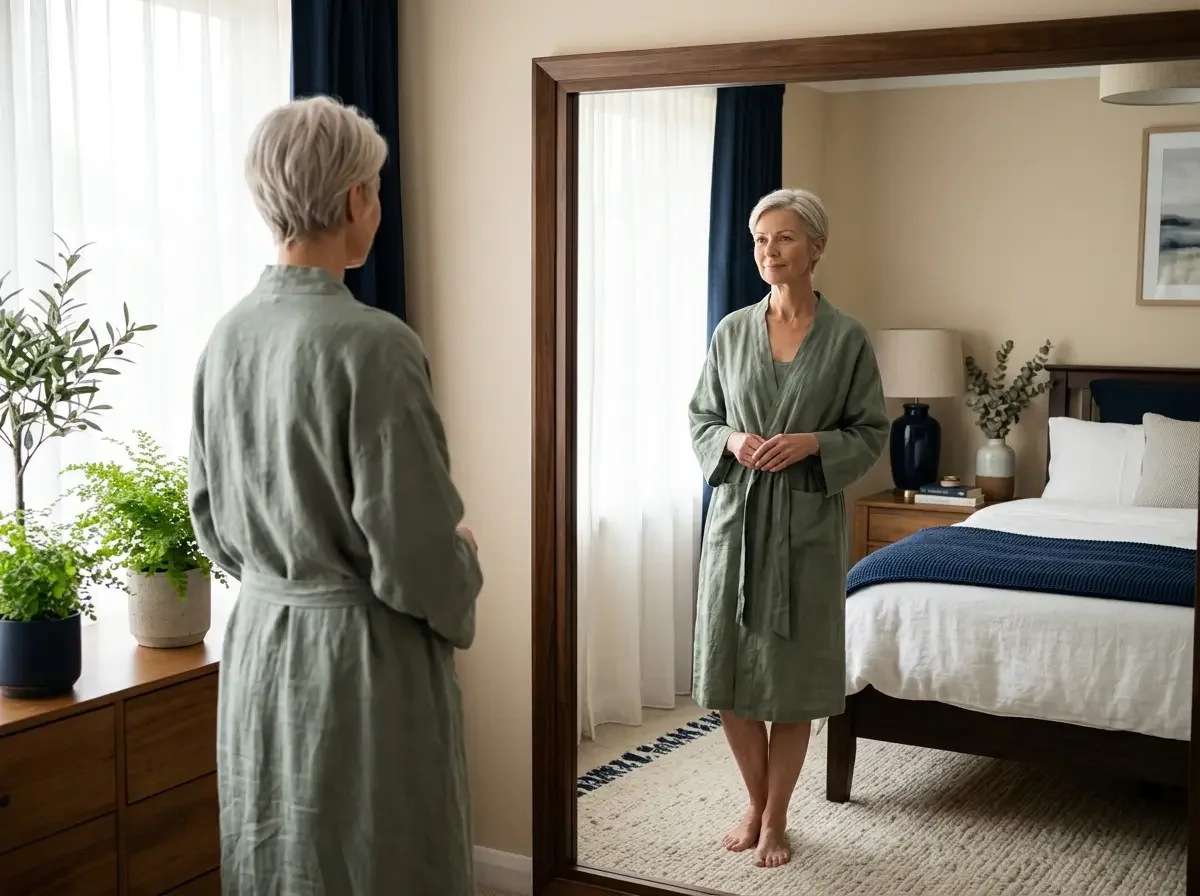


The anti-aging aisle promises to turn back the clock on a woman's face — but the bloodwork, the bone density, the muscle she's quietly losing often go years without a look. Dr. Kelli Peiffer makes the case for a different measure of aging well: strength, capacity, and clarity.