
Know Her Risk: Essential Preventive Health Every Woman Needs to Understand

Last updated: April 2026
Medically reviewed by Dr. Lindsey Cassidy, owner and founder of Lindsey Cassidy MD & Associates.
Here is a number that should stop you in your tracks: 94% of women are uninformed about the health issues that affect them most. Not slightly behind. Not a little fuzzy on the details. Nearly all of us are navigating our health without the full picture.
And yet, we are expected to make critical decisions about our bodies, our screenings, and our care with confidence. The reality is that most women receive fragmented guidance, conflicting recommendations from different providers, and very little explanation about why certain screenings matter or when they should actually begin. Add to that the well-documented tendency for women to be dismissed or minimized in medical settings, and it becomes clear that the system was not designed with us in mind.
That is exactly why Ms.Medicine exists. Our concierge care model was built to close these gaps, giving women direct access to physicians who specialize in women's health and who take the time to build a personalized risk assessment that actually reflects your life, your history, and your goals because preventive care should never be one-size-fits-all.
So what does evidence-based preventive health actually look like across a woman's lifetime? Let's walk through it decade by decade.
Your Twenties: Laying the Groundwork
Your twenties might feel too early to worry about preventive health, but this is actually the decade where your habits and baselines get established. What you track now creates the reference points your providers will use for the rest of your life.
Cervical cancer screening begins at age 21, regardless of sexual history. This is one of the most important screenings for young women, and it is also one of the most commonly delayed. Regular blood pressure checks should also become part of your routine, even if you feel perfectly healthy. High blood pressure rarely announces itself with symptoms, and catching it early makes a meaningful difference in long-term outcomes.
Mental health deserves equal attention during this decade. Depression, anxiety, and other mood disorders often emerge or intensify in the twenties, and screening for these conditions should be a standard part of every well-woman visit. Your mental health and your physical health are deeply connected, and addressing one without the other leaves gaps in your care.
STI screening is another essential piece, particularly for sexually active women under 25. Chlamydia and gonorrhea screenings protect not only your immediate health but also your future fertility. These are not tests to feel embarrassed about requesting. They are a routine and necessary part of taking care of yourself.
In adults, screening with a lipid profile is recommended beginning at age 19 years and at least every 5 years thereafter to identify treatable ASCVD risk, with frequent screening recommended for individuals with additional ASCVD risk factors.
Ask your provider about doing a breast cancer risk assessment. This should be done in all women by age 25, according to the NCCN Guidelines for Breast Cancer Screening and Diagnosis. This is different from when you should start mammography, which is dependent on risk stratification.
Your Thirties: Adapting as Your Life Evolves
The thirties bring a shift. Your body is changing, your life circumstances are likely more complex, and your health-monitoring needs should evolve right alongside you.
One welcome change: Pap smears combined with HPV testing now happen every five years instead of annually for most women without a history of abnormal Pap or HPV test results. This updated schedule reflects better science and means fewer uncomfortable appointments while still providing strong protection against cervical cancer.
Diabetes screening becomes increasingly important during this decade, especially if you have a family history, have experienced gestational diabetes, or carry other known risk factors. This is also the decade where family history patterns start to matter more broadly. If heart disease, breast cancer, or autoimmune conditions run in your family, your thirties are the time to have honest conversations with your provider about what that means for your personal risk profile.
For many women, the thirties also bring big decisions around family planning, whether that means starting a family, expanding one, or choosing not to have children. These conversations deserve more than a rushed five-minute appointment. At Ms.Medicine, our extended consultations give you the time and space to explore your options with a provider who genuinely knows your health history and your priorities.
Your Forties: Screening Gets More Specific
The forties are when screening protocols become more targeted, and your personal risk assessment really starts to drive the conversation. This is not the decade for generic advice. What you need depends on your history, your genetics, and your lived experience.
Mammogram screening becomes a priority, though the timing of your first mammogram may depend on your individual risk factors. Women with a family history of breast cancer or other elevated risk factors may need to begin earlier, while others may follow standard guidelines. This is one of many reasons why having a provider who truly understands your complete picture is so valuable.
Perimenopause often enters the conversation during this decade, and with it comes a cascade of changes that can affect everything from your mood and sleep to your cardiovascular health and bone density. Many women are caught off guard by these shifts because no one prepared them for what perimenopause actually looks and feels like. Ms.Medicine specializes in helping women navigate this transition with clarity and expert support.
Colorectal cancer screening now begins at age 45 (and potentially earlier in people with other risk factors such as a family history of colorectal cancer) according to a recent update to national guidelines that reflects evolving data on cancer risk. And cardiovascular risk assessment takes on new urgency, since heart disease remains the number one killer of women in the United States. Your provider should be evaluating your blood pressure, cholesterol, and other markers to build a prevention strategy that is specific to you.

Your Fifties and Beyond: Staying Ahead of What's Coming
By your fifties, multiple screening programs are running simultaneously, and staying on top of them all requires organization and a provider who pays attention.
Regular mammograms continue on their established schedule. Osteoporosis screening enters the picture, with bone density testing designed to catch early signs of bone loss before a fracture forces the issue. This is especially important for postmenopausal women, as the drop in estrogen accelerates bone loss significantly.
Cardiovascular monitoring intensifies as well. The hormonal changes that accompany menopause increase your risk for heart disease, making ongoing evaluation of blood pressure, cholesterol, and other markers essential rather than optional.
Some women, depending on their personal health history and history of smoking, may also qualify for lung cancer screening that would start in their 50s.
At 65 and beyond, fall prevention assessment becomes part of the conversation. It might not sound glamorous, but maintaining your independence and mobility as you age is one of the most important things your healthcare team can help you plan for. This kind of proactive, whole-person approach to aging is central to how Ms.Medicine cares for women at every stage.
The Through Lines: Mental Health and Vaccinations

Some aspects of preventive care do not belong to any single decade. They run through every stage of your life.
Mental health screening should be a consistent part of your care, not something that only gets attention when you are in crisis. Regular assessment for depression, anxiety, substance use, and intimate partner violence should be woven into routine visits, discussed openly, and treated with the same seriousness as any physical health concern.
Vaccinations also span your entire adult life. Annual flu shots, Tdap boosters, and HPV vaccination through age 26 (and for some adults ages 27-45), shingles vaccine (Shingrix), pneumococcal vaccine, and RSV vaccines all play a role in keeping you protected and are recommended based on age and/or risk factors. If you are pregnant or planning to become pregnant, there are specific vaccination recommendations for each pregnancy that your provider should discuss with you proactively.
These are not extras or add-ons. They are fundamental components of comprehensive women's health care.
What Knowing Your Risk Actually Looks Like
Preventive health is not about checking boxes on a generic list. It is about understanding your personal risk profile, knowing which screenings matter most for your body and your history, and having a healthcare partner who helps you make sense of it all.
Too many women spend years piecing together conflicting information from different providers, internet searches, and well-meaning friends. You deserve better than that. You deserve a clear, evidence-based plan that evolves as you do.
At Ms.Medicine, our concierge care model was designed to deliver exactly that: unrestricted access to your physician, extended appointments with women's health specialists, and the kind of personalized attention that makes you feel seen, heard, and genuinely cared for.
Ready to take the first step? Download our free Women's Health by the Decade guides for detailed, age-specific recommendations you can use right now.
Because when it comes to your health, knowledge is power. And you deserve all of it.

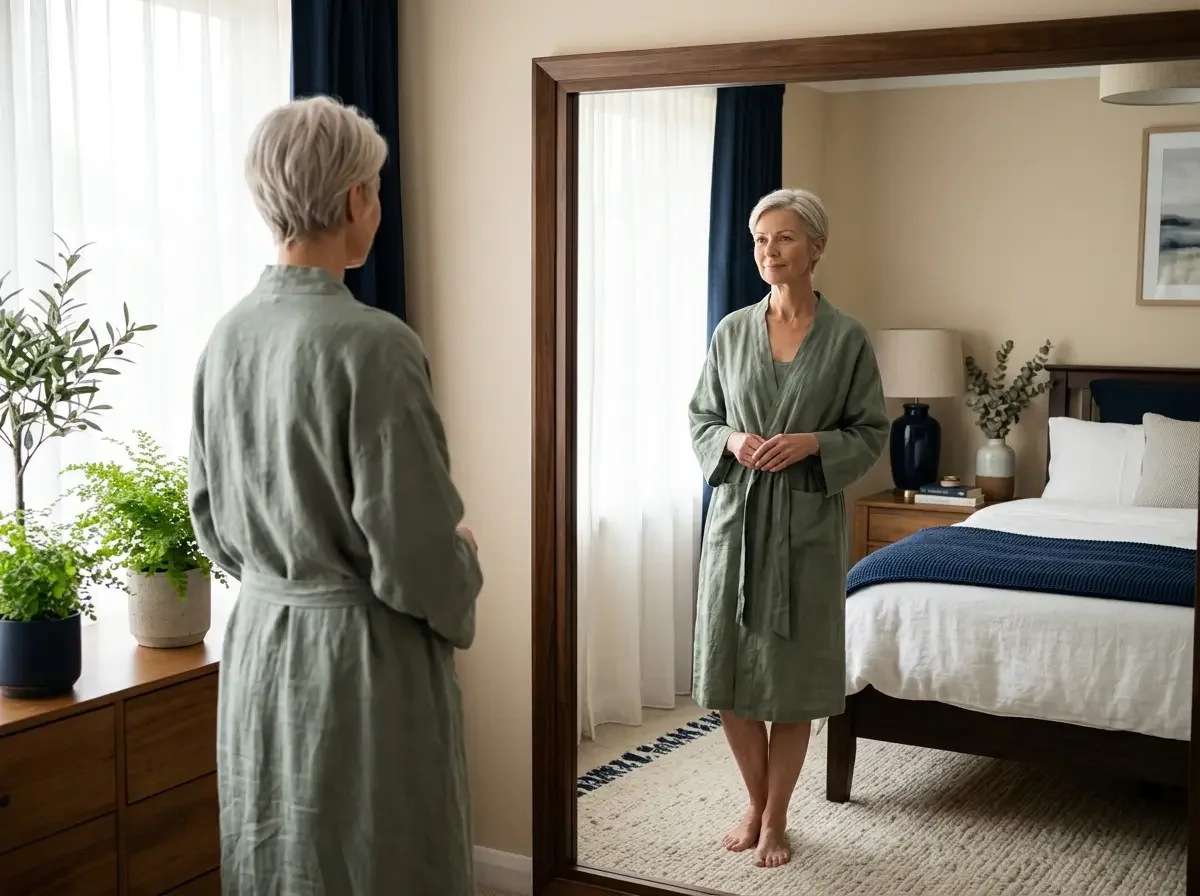

The anti-aging aisle promises to turn back the clock on a woman's face — but the bloodwork, the bone density, the muscle she's quietly losing often go years without a look. Dr. Kelli Peiffer makes the case for a different measure of aging well: strength, capacity, and clarity.